
Pillows accumulate dust, sweat, oils, and allergens over time, making regular washing essential for maintaining freshness and hygiene. While many people wash their pillowcases frequently, the pillows themselves often get overlooked.
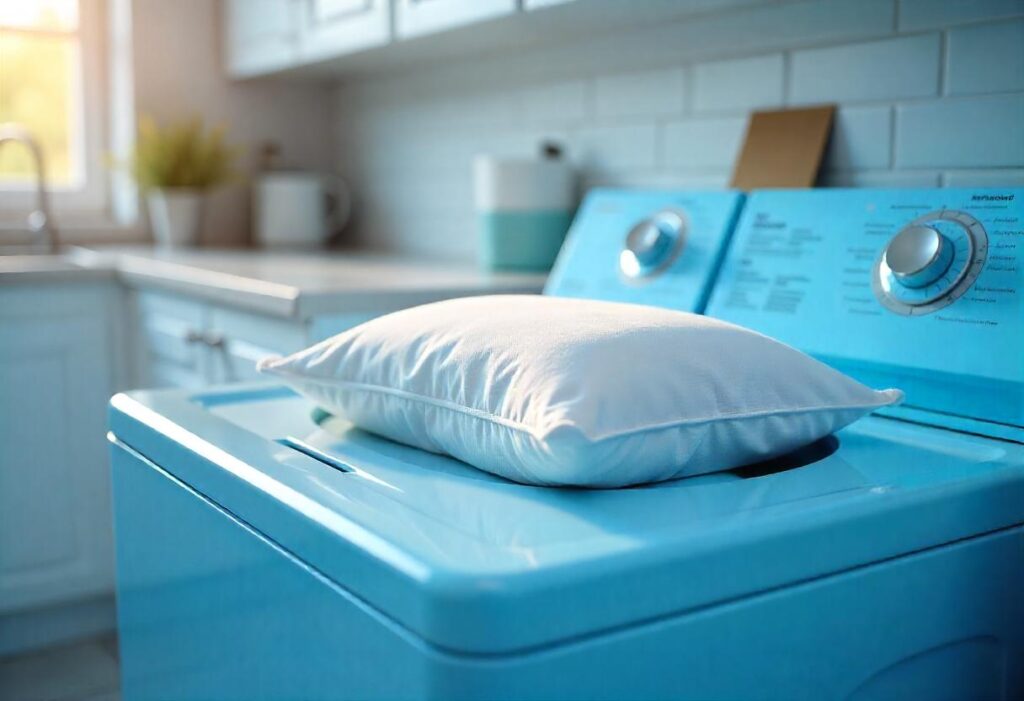
Washing pillows in a washing machine is an easy and effective way to keep them clean and extend their lifespan. This guide will walk you through the best methods to wash different types of pillows, including down, memory foam, and synthetic varieties.
Table of Contents
- Why Washing Your Pillows Matters
- How Often Should You Wash Your Pillows?
- Can You Wash All Pillows in a Washing Machine?
- Step-by-Step Guide: How to Wash Pillows in a Washing Machine
- How to Dry Pillows Properly
- Special Instructions for Different Types of Pillows
- Tips to Keep Pillows Cleaner for Longer
- Common Mistakes to Avoid
- When to Replace Your Pillow Instead of Washing
- Final Thoughts
Why Washing Your Pillows Matters
1. Removes Dirt, Sweat, and Oils
Pillows absorb body oils, sweat, and dust, which can lead to unpleasant odors and stains. Washing them regularly helps maintain a fresh sleeping surface.
2. Eliminates Dust Mites and Allergens
Dust mites thrive in pillows, triggering allergies and respiratory issues. A thorough wash can remove these allergens, improving indoor air quality.
3. Prevents Mold and Mildew Growth
Moisture from sweat and saliva can lead to mold and mildew buildup inside pillows. Washing and drying pillows properly prevents this issue.
4. Extends the Pillow’s Lifespan
Regular washing keeps pillows fluffy and comfortable, preventing them from becoming lumpy or flat over time.
How Often Should You Wash Your Pillows?
1. General Recommendation
Most pillows should be washed every 3 to 6 months to maintain cleanliness and freshness.
2. For Allergy Sufferers
If you have allergies, washing pillows every 1 to 2 months can help reduce allergens like dust mites and pet dander.
3. If You Sweat a Lot
People who sweat heavily at night should wash their pillows more frequently, at least once every two months.
4. For Decorative and Rarely Used Pillows
Pillows that are not frequently used, like decorative pillows, can be washed once or twice a year.
Can You Wash All Pillows in a Washing Machine?
Before tossing pillows into the washer, it’s important to check the care label. Some pillows can handle machine washing, while others require special care.
1. Machine-Washable Pillows
- Synthetic fiber (polyester) pillows
- Down and feather pillows (if indicated on the care tag)
2. Pillows That Require Hand Washing
- Memory foam and latex pillows (machine washing can damage the foam)
Step-by-Step Guide: How to Wash Pillows in a Washing Machine
1. Check the Care Label
Before washing, read the manufacturer’s instructions on the care label to ensure the pillow can be machine washed.
2. Pre-Treat Stains
If your pillow has stains from sweat, drool, or spills, pre-treat them before washing.
How to Pre-Treat Stains:
- Mix equal parts baking soda and water to form a paste.
- Apply the paste to the stained area and let it sit for 15 minutes.
- Wipe off with a damp cloth or rinse lightly.
For tougher stains, use a mild laundry detergent or a stain remover.
3. Load the Washer Properly
- Wash two pillows at a time to maintain balance in the machine.
- Place the pillows vertically in a top-loading washer to prevent tangling.
- For front-loading machines, just ensure the load is balanced.
4. Select the Right Detergent
- Use a mild, liquid detergent to prevent residue buildup.
- Avoid fabric softeners, as they can coat the pillow fibers and reduce fluffiness.
5. Choose the Correct Wash Cycle
- Use a gentle or delicate cycle to prevent damage to the pillow’s filling.
- Set the washer to warm water (unless the care label suggests otherwise).
- Opt for an extra rinse cycle to remove all soap residue.
How to Dry Pillows Properly
1. Machine Drying (For Most Pillows)
- Use a low heat or air-dry setting to prevent shrinking or clumping.
- Add two tennis balls or dryer balls to help fluff the pillows as they dry.
- Check the pillows every 30 minutes and fluff them by hand.
2. Air Drying (For Delicate Pillows)
- Place pillows in a well-ventilated area or under direct sunlight.
- Flip the pillows occasionally to ensure even drying.
- Make sure pillows are completely dry before use to prevent mold and mildew.
Special Instructions for Different Types of Pillows
1. Washing Down and Feather Pillows
- Use a gentle detergent and warm water.
- Avoid high heat when drying, as it can damage the feathers.
- Fluff the pillow occasionally to redistribute the filling.
2. Washing Synthetic Pillows
- Polyester and microfiber pillows can handle regular machine washing.
- Use a low-heat setting in the dryer to prevent damage.
3. Washing Memory Foam and Latex Pillows
- Do not machine wash – water can break down the foam.
- Instead, spot-clean with mild detergent and water.
- Air dry completely before using.
Tips to Keep Pillows Cleaner for Longer
1. Use Pillow Protectors
A zippered pillow protector can shield pillows from dust, sweat, and spills, reducing the need for frequent washing.
2. Fluff Pillows Daily
Fluffing pillows every morning helps redistribute the filling and keep them fresh.
3. Wash Pillowcases Weekly
Since pillowcases absorb most of the sweat and oils, washing them weekly helps keep the pillow underneath cleaner.
4. Avoid Eating in Bed
Crumbs and food spills can attract dust mites and bacteria, making pillows dirtier faster.
5. Rotate and Replace Pillows Regularly
- Rotate pillows to ensure even wear.
- Replace pillows every 1 to 2 years, depending on their quality and usage.
Common Mistakes to Avoid
1. Using Too Much Detergent
Excess detergent can leave residue inside the pillow, leading to clumping. Always use a small amount of mild detergent.
2. Washing Only One Pillow at a Time
Washing a single pillow can unbalance the washing machine, causing it to spin inefficiently.
3. Not Drying Pillows Completely
Damp pillows can develop mold and mildew. Always ensure they are fully dry before use.
4. Using Fabric Softener
Fabric softeners can coat pillow fibers and reduce breathability. Instead, use vinegar as a natural fabric softener.
When to Replace Your Pillow Instead of Washing
1. Pillow No Longer Holds Its Shape
If your pillow remains flat or lumpy even after washing, it may be time to replace it.
2. Persistent Odors
If a pillow still smells bad after washing, bacteria or mold may be trapped inside.
3. Visible Yellowing and Stains
Extensive yellowing or deep-set stains may indicate the pillow has absorbed too much sweat and oil over time.
4. You Wake Up with Allergies or Neck Pain
Old pillows can harbor allergens and lose their supportive properties, leading to discomfort.
Final Thoughts
Washing your pillows in a washing machine is a simple yet essential task that can improve sleep hygiene and extend their lifespan. By following the right techniques and drying methods, you can keep your pillows clean, fluffy, and free from allergens.
Make it a habit to wash your pillows every few months to maintain a fresh and comfortable sleeping environment.