
Pillows are essential for a good night’s sleep, but they also collect sweat, oils, dust mites, allergens, and odors over time. Even if you use pillow protectors and regular washing, pillows can become less supportive and less fresh without proper cleaning.
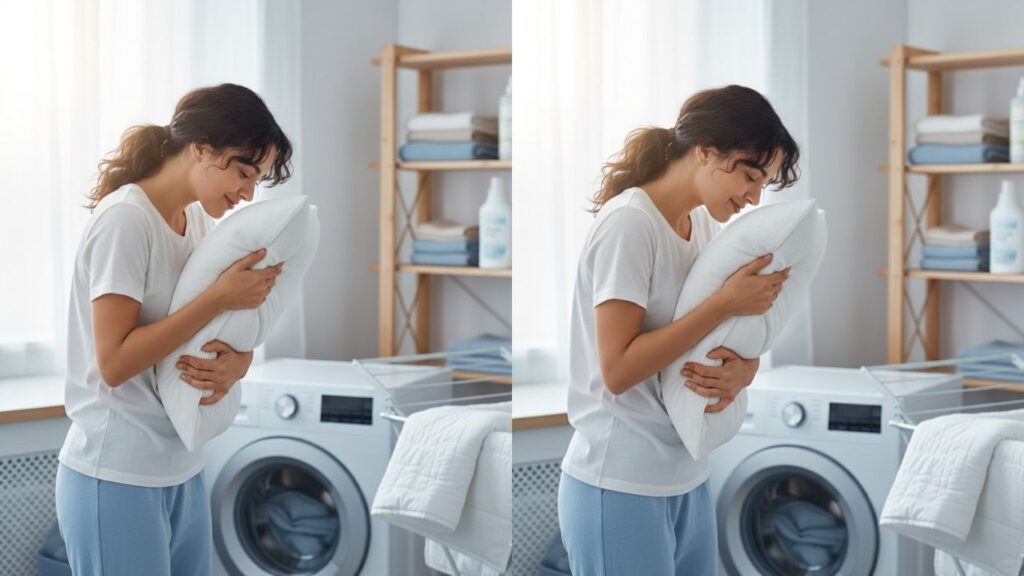
Keeping pillows clean improves comfort, hygiene, and breathability, helping you sleep better and stay healthier. With the right methods and step-by-step guidance, you can clean all types of pillows safely and effectively at home.
Helpful Items for Cleaning Pillows
Here are some useful items to have on hand:
- Pillow Protectors
- Mild Laundry Detergent
- White Vinegar
- Baking Soda
- Mesh Washer Bags
Understanding Pillow Dirt and Allergen Buildup
Pillows serve as the resting place for your head night after night, which means they naturally absorb sweat, skin oils, saliva, dead skin cells, and even drool. Dust mites thrive on these organic particles, contributing to allergies and congestion. Over time, this invisible buildup affects pillow freshness and can trigger sinus issues, skin irritation, and respiratory discomfort.
Different types of pillows—such as down, feather, memory foam, microfiber, or polyester fill—each require specific cleaning approaches to preserve shape, texture, and support. Some can be machine washed, some need spot cleaning, and some benefit from deodorizing and airing techniques. With proper care, pillows can stay comfortable, clean, and long-lasting.
How to Clean Pillows
Cleaning pillows can seem intimidating, especially because they come in many materials. Below are seven detailed cleaning methods, explained step by step, so you can choose the best approach based on your pillow type and condition. Each method ensures fresh, comfortable results without damaging the pillow.
1. Machine Washing Standard Fabric Pillows
This method works well for most cotton, polyester, and down pillows that list machine wash instructions on the label.
Step by Step
- Check the Care Label
Always read the manufacturer’s instructions before cleaning to confirm machine wash is safe. - Pre-treat Stains
Use a mild laundry detergent or spot treatment on visible stains, letting it sit for 15–20 minutes before washing. - Load Two at a Time
Washing two pillows together balances the load and prevents the washer from becoming unbalanced. - Choose Gentle Cycle
Use warm water and a gentle or delicate cycle to protect the pillow’s fill. - Add Mild Detergent
Use a small amount of mild detergent to avoid residue buildup. - Extra Rinse Option
If your washer has an extra rinse setting, use it to ensure all soap is fully removed. - Dry Thoroughly
Dry on low heat with dryer balls or clean tennis balls to fluff the pillows and prevent clumping.
Machine washing refreshes pillows thoroughly and removes allergens effectively.
2. Hand Washing Pillows with Gentle Care
Hand washing is ideal for delicate pillows such as silk, lace-covered, or vintage styles that require extra gentle care.
Step by Step
- Fill a Tub or Basin
Use lukewarm water and a small amount of mild detergent to avoid harsh agitation. - Submerge the Pillow
Gently press the pillow underwater to saturate completely. - Lightly Agitate by Hand
Press and squeeze softly to allow the soapy water to distribute through the fill. - Soak for 20–30 Minutes
Let the pillow soak to loosen oils, dirt, and sweat. - Rinse with Clean Water
Drain the soapy water and refill with clean water to rinse. Repeat until water runs clear. - Press Out Excess Water
Gently press; never wring or twist, which can distort the shape. - Air Dry Flat
Lay the pillow on a flat drying rack and turn occasionally for even drying.
Hand washing protects delicate fabrics and prevents damage from machine agitation.
3. Spot Cleaning Stains and Spills
Spot cleaning is essential for localized stains such as makeup, blood, sweat rings, or spilled liquids.
Step by Step
- Blot Excess Moisture
Use a clean cloth to absorb as much of the spill as possible before applying treatment. - Mix Mild Cleaning Solution
Use warm water and a small amount of gentle detergent or stain remover. - Dip a Cloth or Sponge
Saturate it lightly without soaking the pillow fully. - Gently Work the Stain
Use circular motions starting from the edge of the stain toward the center. - Rinse the Area
Dab with a clean damp cloth to remove soap residue. - Blot Dry with Towel
Press with a dry towel to remove moisture. - Air Dry Completely
Allow the area to dry fully, ideally in sunlight or good airflow.
Spot cleaning prevents localized problems from spreading into larger odor or mold issues.
4. Deodorizing and Freshening Without Washing
Even if a pillow isn’t visibly dirty, it can develop odors from sweat, skin oils, and humidity. Deodorizing refreshes pillows between cleanings.
Step by Step
- Place Pillow in Sunlight
UV rays help kill bacteria and remove odors naturally. - Sprinkle Baking Soda Liberally
Cover both sides of the pillow and let it sit for several hours. - Vacuum Off Baking Soda
Use a vacuum with an upholstery attachment to lift baking soda and loosened dirt. - Flip and Repeat
Turn the pillow and repeat for thorough coverage. - Air Out Overnight
Leave in a well-ventilated area to dissipate any remaining smell. - Use Pillow Protectors
After deodorizing, cover with washable protectors to keep pillows fresh. - Refresh Regularly
Deodorize every 4–6 weeks between deep washes.
Baking soda naturally absorbs odors and refreshes pillows without water.
5. Cleaning Memory Foam or Latex Pillows
Memory foam and latex cannot be machine washed but can still be cleaned safely.
Step by Step
- Remove Outer Covers
Wash the cover according to its instructions—often machine washable. - Vacuum Surface
Use an upholstery attachment to remove dust and debris from the foam. - Spot Clean with Mild Solution
Mix water and gentle detergent and use a cloth to dab stains carefully. - Avoid Saturation
Do not soak foam; excess water can cause mold inside. - Rinse with Damp Cloth
Remove soap residue with a lightly damp cloth. - Air Dry Upright
Place foam on a rack or chair to dry fully. - Avoid Direct Heat
Never use a dryer or direct sunlight on memory foam or latex.
Gentle care keeps sensitive foam materials intact and comfortable.
6. Using Pillow Protectors and Covers
Preventive care drastically reduces deep cleaning frequency and extends pillow life.
Step by Step
- Choose a High-Quality Protector
Look for protectors that block dust mites and allergens. - Wash Protectors Weekly
Clean protectors often to reduce transfer of dirt to pillows. - Use Pillowcases as a Second Layer
Wash pillowcases frequently, ideally twice a week. - Inspect for Wear
Replace protectors if they become torn or worn. - Air Pillows Regularly
Remove covers occasionally and air pillows in fresh air. - Vacuum Under Covers
Vacuum covered pillows to remove trapped allergens. - Rotate Pillows Often
Fluff and flip to maintain shape and freshness.
Protectors act as the first line of defense against sweat, oils, and allergens.
7. Professional Cleaning and Special Treatments
Some pillows, like decorative cushions or specialty down pillows, benefit from professional care.
Step by Step
- Identify Pillow Type
Check whether the material and fill require professional cleaning. - Choose a Trusted Service
Take pillows to a reliable cleaner experienced with bedding and specialty fills. - Ask for Deep Sanitizing
Request treatments that remove dust mites and allergens. - Follow Care Instructions Provided
Many services offer specific guidance after cleaning. - Inspect Upon Return
Ensure pillows feel refreshed and smell clean. - Use at Recommended Frequency
Professional cleaning once or twice a year helps heavily used pillows. - Store When Not in Use
Keep pillows in breathable bags to maintain cleanliness.
Professional cleaning is ideal for delicate or heirloom pillows that need expert care.
Seasonal and Routine Pillow Care Tips
Air Out Pillows Weekly
Fresh air and light release trapped moisture and reduce odors.
Fluff Daily
Fluffing maintains loft and prevents uneven clumping.
Replace Every 1–2 Years
Over time, pillows lose support and accumulate buildup beyond cleaning.
Avoid Harsh Chemicals
Strong solvents and bleach can damage pillow fibers and cause skin irritation.
Clean Bedding Frequently
Wash sheets and pillowcases often—clean bedding enhances pillow freshness.
Check Pillow Shape Regularly
Redistribute fill manually if the pillow becomes uneven.
Store Clean and Dry
If storing extra pillows, keep them in a cool, dry, ventilated space.
Common Pillow Cleaning Mistakes to Avoid
Ignoring Care Labels
Cleaning without checking instructions can permanently damage pillows.
Overloading Washer
Too many pillows at once leads to poor cleaning and appliance strain.
Using Hot Water on All Pillows
Hot water can shrink or damage some materials; always follow recommendations.
Skipping Drying Thoroughly
Moist pillows breed mold and odors; fully dry every pillow.
Wringing or Twisting
This distorts fill and damages structure.
Using Fabric Softener
Softeners leave residues that trap dirt and reduce pillow breathability.
Waiting Too Long Between Cleans
Consistent care prevents heavy buildup and allergen accumulation.
FAQ
How often should pillows be cleaned?
Standard pillows should be washed every 3–6 months; deodorize between washes.
Can all pillows be machine washed?
No—memory foam, latex, and some specialty pillows need hand or spot cleaning.
Why do pillows smell after washing?
Incomplete drying allows moisture to remain, leading to odors.
How do I remove sweat stains?
Use pre-treat stain solution or baking soda paste before washing.
Can baking soda damage pillows?
No—baking soda is safe and absorbs odors when vacuumed off.
How long should pillows dry?
Most pillows need 4–6 hours of thorough drying; foam may take longer.
Final Words
Clean pillows contribute to better sleep, improved hygiene, and a fresher bedroom. With the right methods, pillows can stay supportive, fresh, and comfortable for years.
By following these seven detailed cleaning methods, preventive care tips, and routine habits, your pillows will remain clean, healthy, and inviting—sweet dreams every night.