
Your running shoes go through a lot—muddy trails, sweaty gym sessions, rainy-day jogs, and dusty roads. Cleaning them the right way not only keeps them looking good but also prolongs their lifespan and performance.
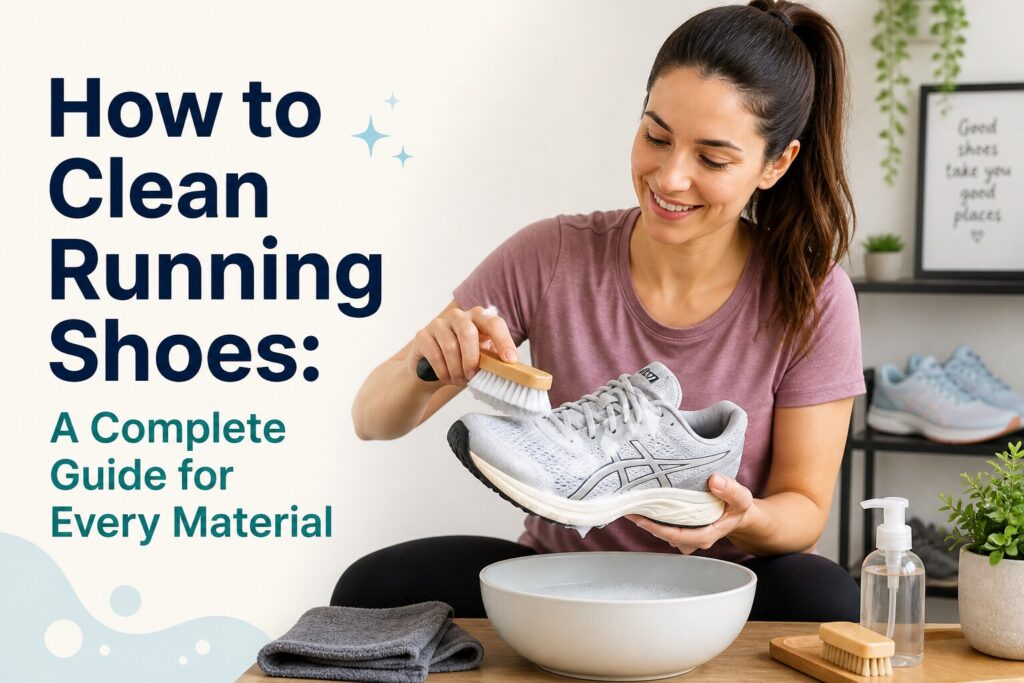
In this ultimate guide, we’ll walk you through how to clean running shoes of all types, including mesh, knit, suede, and leather. Plus, we’ll cover deep cleaning, odor removal, drying techniques, and what to avoid.
Why Cleaning Your Running Shoes Matters
Extends Lifespan
Dirt, sweat, and moisture can break down materials and stitching over time. Regular cleaning protects your investment.
Improves Performance
Caked-on mud and grit can weigh down shoes and reduce grip. Clean shoes mean better traction and lighter strides.
Prevents Odor and Bacteria
Sweat and grime create a breeding ground for odor-causing bacteria. Cleaning your shoes helps you avoid funky smells and fungal infections.
Keeps Them Looking New
Whether you’re on a morning run or hitting the coffee shop afterward, clean shoes make a better impression.
What to Know Before You Start
Always Check the Label
Read your shoe’s care label for manufacturer instructions. Some materials like suede or leather require extra care.
Know Your Shoe Materials
- Mesh or Knit: Lightweight and breathable but delicate
- Synthetic Leather: Durable and water-resistant
- Natural Leather: Requires gentle cleaning and conditioning
- Suede or Nubuck: Sensitive to water and needs dry cleaning
- Rubber Outsoles: Tough and can be scrubbed freely
Supplies You’ll Need
- Soft-bristled brush or old toothbrush
- Mild detergent or shoe cleaner
- Warm water
- Microfiber cloth or sponge
- Baking soda (for odor control)
- Magic eraser (for tough stains)
- Mesh laundry bag (for machine washing if allowed)
- Towel or paper towels
- Old newspaper (for drying)
How to Clean Running Shoes by Hand
Step 1: Remove Laces and Insoles
Take out the laces and insoles. Wash them separately. Soak laces in warm soapy water and gently scrub. Insoles can be wiped with a damp cloth and a touch of detergent.
Step 2: Dry Brush Off Loose Dirt
Use a dry soft brush to remove dirt, mud, or grit from the outsole, upper, and crevices. Don’t add water yet—this helps you avoid turning dirt into mud.
Step 3: Make a Cleaning Solution
Mix warm water with a small amount of mild detergent or sneaker cleaner in a bowl. Avoid harsh chemicals or bleach.
Step 4: Clean the Uppers
Dip a soft cloth or brush into the solution and gently scrub the uppers. Be especially gentle with mesh or knit materials to avoid fraying.
Step 5: Scrub the Midsoles and Outsoles
Use a firmer brush or an old toothbrush to clean rubber soles. Focus on removing buildup from grooves and edges.
Step 6: Rinse and Wipe Down
Dampen a clean cloth with water and wipe down the shoes to remove any soapy residue. Never submerge your shoes unless they’re specifically labeled as waterproof and machine washable.
How to Machine Wash Running Shoes (If Allowed)
Step 1: Pre-clean and Prep
Brush off loose dirt and remove laces and insoles. Place the shoes in a mesh laundry bag or pillowcase to prevent damage.
Step 2: Use a Gentle Cycle
Wash with cold water on a delicate cycle. Add a few old towels to balance the load and prevent banging around.
Step 3: Skip the Dryer
Never machine dry your running shoes. Use air drying techniques instead.
Drying Your Running Shoes the Right Way
Method 1: Air Dry at Room Temperature
Stuff the shoes with paper towels or newspaper to absorb moisture and help them keep their shape. Place them in a well-ventilated area out of direct sunlight.
Method 2: Use a Fan
Position a fan to blow air through the shoes for faster drying.
Method 3: Use a Shoe Dryer
If you run often, investing in a dedicated shoe dryer can speed up the process without applying damaging heat. And then lace up your shoes.
What NOT to Do When Cleaning Running Shoes
- Don’t use bleach or harsh cleaners—they degrade materials.
- Don’t put your shoes in a dryer—the heat can warp glue and midsoles.
- Don’t soak shoes in water—this can damage foam cushioning and uppers.
- Don’t store shoes while damp—it causes mold and odor buildup.
How to Clean Specific Shoe Materials
Cleaning Mesh or Knit Uppers
- Use a soft brush and dab gently with diluted detergent.
- Avoid scrubbing too hard to prevent fabric damage.
- Rinse with a damp cloth rather than running water.
Cleaning Synthetic Leather
- Wipe with a soft cloth dipped in soapy water.
- Follow up with a clean damp cloth to remove residue.
- Air dry out of direct sunlight.
Cleaning Suede or Nubuck
- Use a suede brush or eraser specifically made for suede.
- Avoid water—use a dry brush and spot-clean with a suede cleaner.
- Let dry and brush again to restore the nap.
Cleaning Natural Leather
- Use a leather cleaner or mild soap.
- Wipe with a damp cloth and condition after drying.
- Avoid soaking or scrubbing.
How to Clean Running Shoe Insoles
Method 1: Surface Clean
Wipe with a damp cloth and mild detergent. Scrub gently if needed.
Method 2: Deodorize
Sprinkle baking soda on the insoles, let sit overnight, and shake off the next day. You can also spray them with a 50/50 vinegar and water solution.
How to Remove Odors from Running Shoes
Baking Soda
Sprinkle inside the shoes and leave overnight. Shake or vacuum out the excess.
Dryer Sheets
Place a dryer sheet in each shoe overnight for a fresh scent.
Essential Oils
Add a few drops of tea tree, lavender, or eucalyptus oil to a cotton ball and place inside the shoe.
Freezing Method
Place shoes in a plastic bag and freeze overnight. Cold temperatures kill odor-causing bacteria.
Cleaning Tips for Trail Running Shoes
Trail shoes get dirtier faster and require more care.
- Always clean after muddy runs—mud dries and cracks the material.
- Remove stones and debris from treads using a stiff brush or stick.
- Wash laces and insoles more often due to exposure to sweat and dirt.
How Often Should You Clean Running Shoes?
- After muddy runs or races
- Every 1–2 weeks if you run frequently
- Immediately if they get wet or exposed to salt, which can degrade materials
How to Store Clean Running Shoes
- Store in a dry, cool space away from direct sunlight.
- Never keep them in a plastic bag or airtight container.
- Use cedar shoe trees or stuff with newspaper to maintain shape and absorb moisture.
Running Shoe Cleaning Hacks
Use a Magic Eraser
For white midsoles, a magic eraser works wonders on scuffs and stains.
Toothpaste for White Soles
A dab of non-gel white toothpaste can help brighten rubber outsoles—scrub with a toothbrush and rinse.
Baby Wipes for Quick Cleanups
Great for wiping down after dusty or dry runs.
Eco-Friendly Cleaning Options
Use Natural Soap
Choose biodegradable soap if you’re rinsing shoes outside or near grass.
Vinegar Solution
Mix 1 part white vinegar to 2 parts water for natural odor elimination.
Reusable Brushes and Cloths
Skip disposable wipes and use reusable microfiber cloths or brushes.
Frequently Asked Questions
Can you put running shoes in the washing machine?
Yes, if the manufacturer allows it. Mesh and synthetic shoes are usually safe, but suede and leather are not. Always air dry.
How do I get rid of yellow stains on white running shoes?
Use a paste of baking soda and water, scrub gently, and rinse. For tough stains, add a drop of hydrogen peroxide.
Why do my running shoes smell so bad?
Sweat and bacteria buildup inside shoes, especially if not dried properly. Regular cleaning and odor control methods can fix this.
Can I clean my running shoes with dish soap?
Yes, mild dish soap is safe for most materials when diluted. Avoid colored soaps that could stain fabric.
Should I clean my shoes after every run?
Only if they’re exposed to mud, water, or heavy sweat. Light cleaning every couple of weeks is usually enough.
Final Thoughts
Cleaning your running shoes doesn’t have to be a chore. With the right tools and techniques, you can easily maintain their performance, appearance, and comfort. Whether you’re prepping for your next marathon or heading out for a casual jog, fresh and clean shoes make every run better. Take a few minutes to give your shoes the care they deserve—you’ll get more miles, better support, and a much fresher experience.