
Tile shower walls are a beautiful, long-lasting part of any bathroom, but they can quickly accumulate soap scum, hard water stains, mildew, and grime. A clean shower not only looks great but also helps maintain hygiene and extend the life of your tile and grout.
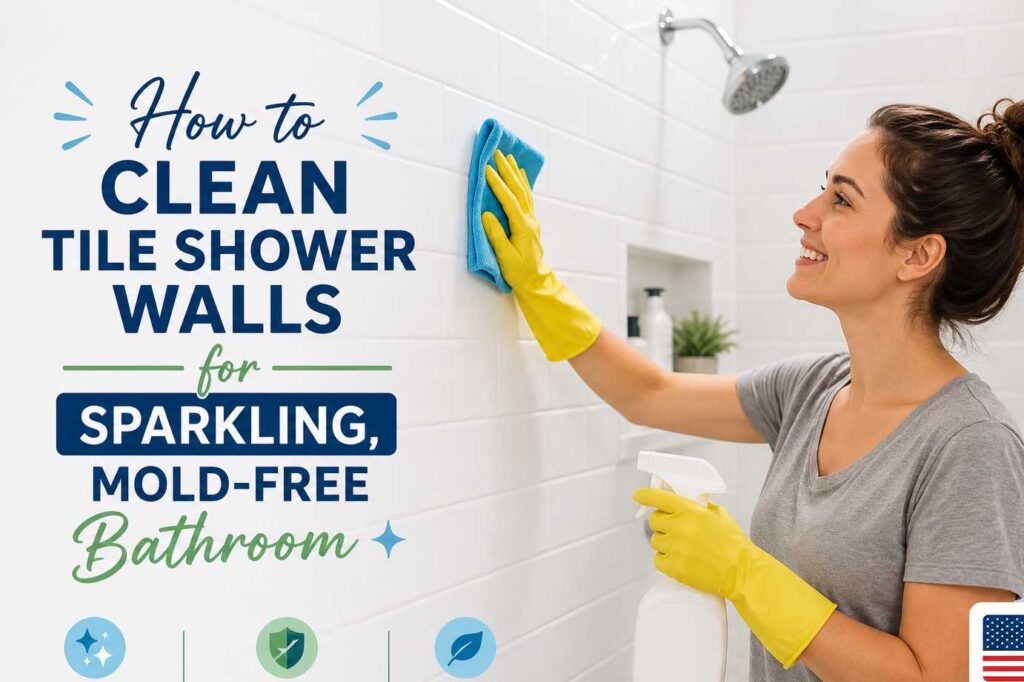
With the right tools and cleaning solutions, even tough buildup can be removed safely and effectively. This guide walks you through practical, step-by-step methods to clean tile shower walls like a pro.
Recommended Items to Have
- Tile and grout brush
- Microfiber cleaning cloths
- Grout sealer
- Squeegee
- Tile cleaning solution
Why Cleaning Tile Shower Walls Matters
Dirty shower walls can lead to slippery soap scum, discolored grout, and mold growth, which can affect indoor air quality. Regular cleaning removes buildup before it becomes hard to remove, keeps grout lines bright, and reduces the risk of permanent staining. Understanding basic maintenance ensures your shower stays fresh and inviting.
How to Clean Tile Shower Walls
Effective cleaning begins with the right preparation. Before starting any deep cleaning method, remove all personal items like bottles and soap dishes from the shower. Sweep or rinse loose debris first to make cleaning solutions more effective.
1. Everyday Cleaning with Soap and Water
Keeping up with light cleaning prevents buildup and makes deeper cleans easier.
Step by Step Guide
- Fill a bucket or spray bottle with warm water.
- Add a few drops of mild dish soap and mix.
- Spray or apply the soapy water to the tile walls.
- Let it sit for 5–10 minutes to loosen surface dirt and soap scum.
- Scrub the walls gently with a tile and grout brush.
- Rinse thoroughly with clean water.
- Wipe dry with a microfiber cloth or use a squeegee to prevent water marks.
This method works well for quick weekly maintenance.
2. Vinegar and Baking Soda Deep Clean
Perfect for removing soap scum and mild mildew without harsh chemicals.
Step by Step Guide
- Mix equal parts white vinegar and warm water in a spray bottle.
- Apply the solution to the walls and let it sit for 5–10 minutes.
- Sprinkle baking soda onto problem areas or grout lines.
- Use a brush to scrub the tile surface and grout gently.
- Rinse the entire wall with warm water.
- Dry with a microfiber cloth.
- Repeat the process for tough buildup.
The combination of vinegar and baking soda creates a fizzy lift that helps release grime.
3. Commercial Tile Cleaner Application
For heavily stained walls or long-neglected showers.
Step by Step Guide
- Choose a tile cleaning product safe for your tile type.
- Spray or apply the cleaner following the product instructions.
- Allow the solution to penetrate for the recommended time.
- Scrub stubborn stains with a grout brush or sponge.
- Rinse thoroughly with warm water.
- Dry walls with a microfiber cloth or squeegee.
- Repeat for persistent stains.
Commercial cleaners need good ventilation—keep the bathroom window open or run the fan.
4. Disinfecting Mold and Mildew Spots
Mold can appear in grout lines and corners where moisture lingers.
Step by Step Guide
- Mix equal parts warm water and white vinegar in a spray bottle.
- Apply the solution to moldy or mildewed areas.
- Let it sit for 10–15 minutes.
- Scrub the spots gently with a grout brush.
- Rinse with warm water.
- Dry the surface thoroughly.
- Use a fan to speed up drying and prevent recurrence.
Vinegar helps kill mold spores without damaging tile surfaces.
5. Steam Cleaning for Deep Grout Refresh
Steam is a chemical-free way to clean and sanitize tile and grout.
Step by Step Guide
- Fill the steam cleaner with water according to the manufacturer’s instructions.
- Move the steam nozzle slowly along the wall surface.
- Focus on grout lines and stained areas.
- Use a brush to scrub as steam loosens debris.
- Wipe the tile immediately with a clean microfiber cloth.
- Rinse with water if necessary.
- Dry completely with a cloth or squeegee.
Steam loosens buildup without harsh chemicals, making it ideal for regular deep cleaning.
6. Lemon Juice and Salt Scrub for Natural Shine
Lemon juice adds a fresh scent and act as a mild acid to cut through light buildup.
Step by Step Guide
- Cut a lemon in half and dip the cut side into salt.
- Rub the lemon on the tile surface and grout lines.
- Let the natural acids work for 15 minutes.
- Rinse with warm water.
- Buff with a clean cloth.
- Spray a vinegar solution if necessary for persistent soap scum.
- Dry thoroughly with a squeegee.
This natural approach also helps brighten grout lines.
7. Grout Sealing After Cleaning
Sealing protects grout from future stains and moisture.
Step by Step Guide
- Ensure the shower walls and grout are completely dry.
- Apply grout sealer along lines using a small brush.
- Allow sealer to penetrate as per instructions.
- Wipe off excess sealer with a cloth.
- Let the sealed surface cure for recommended time.
- Test with a few drops of water; if it beads, sealing worked.
- Reapply annually or as needed to maintain protection.
Sealing prevents discoloration and makes future cleaning easier.
How to Clean Tile Grout Specifically
Grout Brush Technique
A dedicated grout brush reaches into the crevices for thorough cleaning. Scrub in short back-and-forth motions rather than long strokes.
Grout Powder Cleaners
Apply grout cleaning powder, let it sit, then scrub and rinse. This helps lift deep stains.
Steam and Brush Combination
Use steam followed by brushing for stubborn or older grout stains.
Grout Cleaning Wand Tools
Long-handled tools reduce bending and help reach high corners easily.
Regular Spot Treatment
Treat small spills and grout spots immediately for easier maintenance.
Why Regular Maintenance Prevents Stubborn Stains
Weekly dusting and squeegeeing prevent soap scum from hardening. Prompt spot cleaning stops mildew before it spreads. Drying walls after every shower cuts moisture buildup that leads to mold growth.
Tools and Supplies for Ongoing Care
Microfiber Cloths
Microfiber picks up dust and water without streaking and is gentle on tile surfaces.
Squeegee
A squeegee removes water after each shower, reducing water spots and soap film.
Tile and Grout Brushes
Specialized brushes reach grout lines and textured tile surfaces for deep cleaning.
Steam Cleaner
A steam cleaner sanitizes without chemicals, making it great for regular and deep cleans.
Tile Cleaning Solutions
Choose pH-balanced cleaners that are safe for your specific tile type to avoid dulling or damaging finishes.
How Often to Clean Tile Shower Walls
Daily wiping or squeegeeing reduces water stains. Weekly light cleaning prevents buildup. Monthly deep cleaning keeps grout bright and mildew-free. Regular maintenance prevents heavy buildup and protects your tile investment.
Common Mistakes to Avoid
Using Harsh Abrasive Tools
Avoid metal scrapers and steel wool; these can scratch tile surfaces.
Ignoring Grout Lines
Grout holds moisture and dirt, so neglecting it leads to mold and discoloration.
Using Acidic Cleaners on Natural Stone Tile
Acidic solutions like vinegar can damage marble, travertine, or limestone. Use stone-safe cleaners instead.
Overlooking Drying
Leaving moisture behind promotes mildew and water stains. Always dry the walls after rinsing.
Mixing Too Many Chemicals
Combining cleaning agents can create harmful fumes or reactions. Use one method at a time.
Frequently Asked Questions
What is the best cleaner for tile shower walls
A mild dish soap solution works for routine cleaning, while steam, vinegar, or commercial tile cleaners handle deeper buildup.
Can I use vinegar on all tile types
Vinegar is safe for ceramic and porcelain but avoid it on natural stone.
How often should I deep clean my shower walls
A monthly deep clean keeps tile and grout free from heavy buildup.
How do I prevent mold on grout
Dry walls after each shower and use a mildew-resistant sealer on grout.
Final Words
Cleaning tile shower walls doesn’t have to be a chore. With regular maintenance and the right techniques, you can keep your bathroom bright, hygienic, and free from buildup.
Simple tools, effective solutions, and consistent care will help your tile stay fresh and inviting, making your shower a more enjoyable part of your home.