
When it comes to fabrics, few are as timeless, versatile, and beloved as cotton and linen. Both materials are natural, breathable, and widely used in clothing, bedding, and home textiles. At first glance, cotton and linen may seem similar—they’re lightweight, comfortable, and perfect for warm climates. But dig deeper, and you’ll find that each fabric has unique strengths and weaknesses that make it more suitable for different needs.
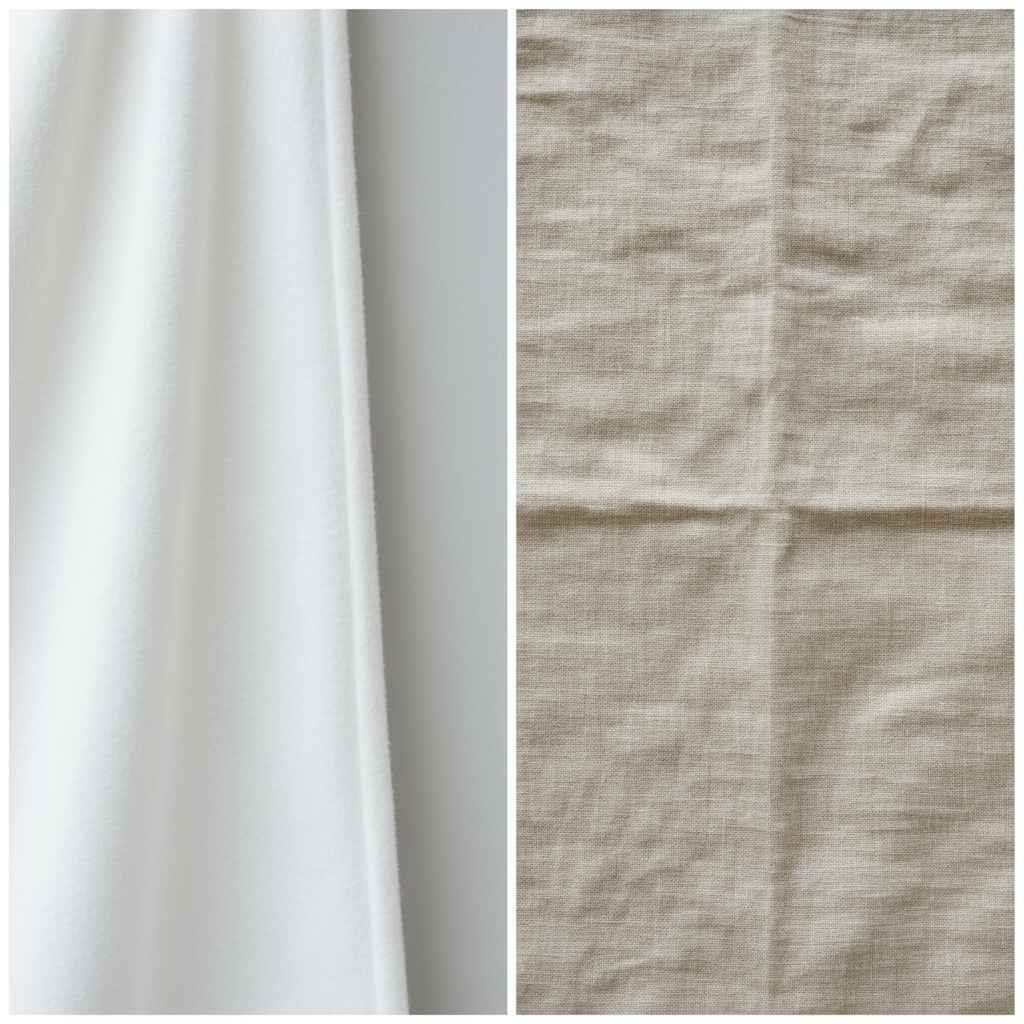
This ultimate showdown between cotton and linen will help you decide which fabric works best for your lifestyle. From softness and durability to cost and care, we’ll explore every detail so you can make informed choices when shopping for clothes, bedding, or home décor.
Origins of Cotton and Linen
The Story of Cotton
Cotton is made from the fluffy fibers surrounding the seeds of the cotton plant. Its use dates back thousands of years, with evidence of cotton cultivation found in India and Peru as early as 5000 BC. Today, cotton is the most widely used natural fiber in the world.
The Story of Linen
Linen comes from the flax plant, one of the oldest cultivated plants in human history. Ancient Egyptians prized linen for its coolness and durability, using it for clothing, sails, and even mummification wrappings. Linen has always been associated with elegance and luxury.
Cotton Vs Linen: Fiber Characteristics
Cotton Fibers
- Soft, fluffy texture
- Shorter fibers compared to linen
- Absorbent and comfortable
- Flexible and elastic, making it less prone to breaking
Linen Fibers
- Long, smooth fibers from flax stalks
- Stiffer and stronger than cotton
- Naturally lustrous with a crisp texture
- More breathable but less elastic than cotton
Comfort and Feel
Cotton’s Comfort
Cotton is famously soft against the skin, which is why it’s often chosen for T-shirts, pajamas, and underwear. It feels gentle and cozy, making it ideal for everyday wear.
Linen’s Unique Feel
Linen starts off crisp and textured but softens significantly with each wash. It’s cool to the touch, which makes it a favorite for hot, humid climates. However, some people find new linen slightly rougher than cotton.
Breathability and Temperature Regulation
Cotton for All Seasons
Cotton is breathable but also insulates slightly, making it suitable for both summer and winter wear. It keeps you cool in heat but also provides a gentle layer of warmth.
Linen for Summer
Linen is exceptionally breathable. Its loose weave allows air to circulate freely, which is why it’s considered the ultimate summer fabric. It also wicks away moisture, keeping you fresh even in hot, sticky weather.
Durability and Longevity
Cotton’s Durability
Cotton is durable but tends to weaken over time with repeated washing, especially if exposed to high heat. High-quality, long-staple cotton lasts much longer.
Linen’s Durability
Linen is one of the strongest natural fibers. It doesn’t pill and actually becomes stronger when wet. With proper care, linen garments and bedding can last decades, often outlasting cotton.
Wrinkling and Maintenance
Cotton’s Easy Care
Cotton resists wrinkles better than linen, especially if blended with synthetic fibers. Many cotton garments are low-maintenance and easy to iron.
Linen’s Natural Wrinkles
Linen wrinkles easily, which is part of its charm. The relaxed, crumpled look is often embraced as stylish. However, for a crisp appearance, linen requires frequent ironing or steaming.
Moisture Absorption and Drying
Cotton and Moisture
Cotton absorbs up to 25 times its weight in water, making it ideal for towels. However, it also takes longer to dry, which can be inconvenient in humid climates.
Linen and Moisture
Linen absorbs moisture quickly but releases it just as fast. This quick-drying property makes linen bedding and clothing particularly fresh in hot environments.
Environmental Impact
Cotton’s Environmental Concerns
Conventional cotton requires large amounts of water and pesticides, raising environmental concerns. However, organic cotton offers a more eco-friendly alternative.
Linen’s Sustainability
Linen is naturally eco-friendly. Flax requires less water and fewer chemicals to grow. The entire flax plant can be used, minimizing waste, making linen one of the most sustainable fabrics available.
Cost and Availability
Cotton’s Affordability
Cotton is widely available and affordable. From fast fashion to luxury brands, cotton fits into nearly every price range.
Linen’s Premium Price
Linen tends to be more expensive due to labor-intensive production and limited flax cultivation regions. However, many consider it worth the investment for its durability and elegance.
Cotton Vs Linen in Clothing
Cotton Clothing
- Best for T-shirts, jeans, underwear, and casual wear
- Comfortable for year-round use
- Wrinkle-resistant compared to linen
Linen Clothing
- Perfect for summer shirts, dresses, and trousers
- Offers a sophisticated yet relaxed look
- Lightweight and airy for warm climates
Cotton Vs Linen in Bedding
Cotton Bedding
- Soft and cozy feel against the skin
- Wide variety of styles and thread counts
- Affordable and versatile
Linen Bedding
- Breathable and cool, excellent for hot sleepers
- Becomes softer with each wash
- Long-lasting investment piece for luxury bedding
Cotton Vs Linen in Home Décor
Cotton Décor
- Common in curtains, upholstery, and rugs
- Affordable and versatile with patterns and dyes
- Easier to clean
Linen Décor
- Popular in tablecloths, curtains, and cushion covers
- Adds elegance and a rustic charm
- More premium, natural aesthetic
Cotton Vs Linen: Which Should You Choose?
Choose Cotton If:
- You want softness from day one
- Affordability matters most
- You need low-maintenance, wrinkle-resistant fabrics
- You prefer versatile, everyday clothing and bedding
Choose Linen If:
- You live in hot or humid climates
- Durability and long-term use are priorities
- You like a luxurious, natural look
- You don’t mind wrinkles or enjoy their relaxed style
Common Misconceptions About Cotton and Linen
Misconception: Linen is too rough
Truth: Linen softens with every wash and can become incredibly comfortable over time.
Misconception: Cotton is always eco-friendly
Truth: Conventional cotton uses a lot of water and pesticides. Only organic cotton is truly eco-friendly.
Misconception: Linen is hard to care for
Truth: Linen requires gentle washing, but it’s easy once you get used to its natural properties.
Frequently Asked Questions
Which is cooler to wear, cotton or linen?
Linen is cooler due to its loose weave and moisture-wicking properties, making it ideal for hot climates.
Does linen last longer than cotton?
Yes, linen is more durable and often outlasts cotton when properly cared for.
Is cotton or linen better for bedding?
It depends on your preference. Cotton is soft and cozy, while linen is cool and breathable.
Can I mix cotton and linen in my wardrobe or bedding?
Absolutely. Many people enjoy the softness of cotton with the breathability of linen.
Why is linen more expensive than cotton?
Linen production is labor-intensive, and flax is less widely cultivated than cotton, making it pricier.
Final Words
Cotton and linen are both exceptional fabrics, each with its own unique qualities. Cotton is versatile, soft, and affordable, making it perfect for everyday wear and bedding. Linen, on the other hand, is durable, breathable, and eco-friendly, offering long-term value and a natural elegance.
The ultimate showdown between cotton and linen doesn’t crown a single winner—it depends on your needs, budget, and lifestyle. If you want softness and affordability, cotton is your go-to. If you value durability, sustainability, and breathable comfort, linen is worth the investment.
By understanding the differences between cotton and linen, you can make smarter choices for your wardrobe, home, and lifestyle. Both fabrics have stood the test of time, and with proper care, they’ll continue to bring comfort, beauty, and practicality into your life.