
Yes, bleach does expire. Bleach has a shelf life of about six months to one year.
Bleach is a common household cleaning product known for its disinfecting and whitening properties. It’s often used for sanitizing surfaces, removing stains, and even purifying water. However, like many other products, bleach does have an expiration date. Over time, the chemical composition of bleach can degrade, leading to a decrease in its effectiveness.
This can impact its ability to disinfect and whiten effectively. Understanding the expiration of bleach is essential to ensure that it remains potent for its intended uses. We’ll delve into the shelf life of bleach, how to determine if it has expired, and the best practices for storing and using it.

Credit: www.pinterest.com
The Chemistry Of Bleach
Bleach contains sodium hypochlorite, a chemical compound that gives it its disinfecting properties. When exposed to air, sodium hypochlorite slowly decomposes, reducing the bleach’s effectiveness. Exposure to light also accelerates this process. Over time, the concentration of sodium hypochlorite decreases, diminishing the bleach’s ability to kill germs and whiten fabrics. Additionally, temperature fluctuations can lead to chemical reactions that further degrade the bleach. To ensure maximum potency, it’s best to store bleach in a cool, dark place and replace it every 6 months to a year. Proper storage and regular replacement will help maintain the bleach’s efficacy for household cleaning and laundry purposes.
Shelf Life Basics
Bleach has a shelf life of about six months to a year. Exposure to light and heat can impact its potency. When stored properly in a cool, dark place, it can maintain its effectiveness. However, high temperatures and direct sunlight can lead to quicker degradation. Additionally, the type of bleach can affect its shelf life. Chlorine bleach typically lasts around six months to a year, while oxygen bleach may have a longer shelf life. It’s essential to check the manufacturing date and consider these factors to ensure optimal performance.
Identifying Expired Bleach
Bleach, a commonly used household cleaning agent, can lose its effectiveness over time. It is important to be able to identify whether bleach has expired to ensure its efficiency in cleaning and disinfecting. One way to determine this is through visual and olfactory clues.
Visual clues include checking for any changes in the color or consistency of the bleach. If the bleach has become darker or cloudy, it may indicate that it has expired. Olfactory clues involve smelling the bleach. If there is a strong, unpleasant odor or a lack of the characteristic bleach smell, it could be a sign of expiration.
Another way to test bleach effectiveness is by conducting a simple bleachability test. Mix a small amount of bleach with water and add a few drops to a white cloth. If the cloth remains white after a few minutes, the bleach is still effective. However, if the cloth changes color or stains, the bleach may have expired.
Regularly checking for these visual and olfactory clues, as well as conducting bleachability tests, can help ensure that the bleach you are using is still effective and safe to use for cleaning and disinfection purposes.
Storage Tips For Longevity
When it comes to storing bleach for long-term use, it’s important to follow proper storage tips to ensure its longevity. Optimal storage conditions play a significant role in maintaining the effectiveness of bleach. One of the common storage mistakes to avoid is exposing bleach to direct sunlight. Sunlight can degrade the active ingredients in bleach, reducing its potency over time.
Instead, store bleach in a cool, dry place, away from heat sources. It’s also crucial to keep bleach away from children and pets, as it can be harmful if ingested. Another important tip is to tightly seal the bleach container after each use to prevent evaporation and maintain its strength.
Additionally, avoid storing bleach near other chemicals or cleaning products, as mixing them can lead to hazardous reactions. Keeping bleach in its original container with the label intact helps prevent any confusion and ensures safe usage.
By following these storage tips, you can maximize the shelf life of bleach and ensure it remains effective for its intended use.
Safety Considerations
Bleach is a common household cleaning agent that can last for a long time if stored properly. However, it does lose its effectiveness over time and can expire. Expired bleach can be dangerous and may not work as well as fresh bleach.
When handling expired bleach, it is important to take safety precautions such as wearing gloves and a mask to avoid contact with skin or inhalation of fumes. It should also be stored in a cool, dry place away from children and pets.
Disposing of old bleach should be done carefully to avoid harming the environment. It should never be poured down the drain or mixed with other chemicals. Instead, it can be diluted with water and flushed down the toilet or taken to a hazardous waste facility for proper disposal.
| Bleach Expiration Date | Storage Recommendations |
|---|---|
| Unopened bleach | Store in a cool, dry place away from sunlight and heat. |
| Opened bleach | Store in a cool, dry place with the cap tightly sealed. |
| Expired bleach | Dispose of properly and do not use. |
Impact On Cleaning Performance
| Does Bleach Expire |
|---|
| Impact on Cleaning Performance |
Bleach is one of the most commonly used household disinfectants. However, it’s important to know that bleach does expire and using stale bleach can have serious consequences. When bleach expires, it loses its cleaning power and the ability to disinfect effectively. The active ingredient in bleach, sodium hypochlorite, begins to break down over time, which can lead to weakened cleaning performance. In addition, expired bleach can also cause skin irritation and damage to surfaces.
When it comes to the efficacy in disinfection, stale bleach is not effective in killing germs and bacteria. This can be particularly dangerous during a pandemic or when trying to prevent the spread of infectious diseases. Using expired bleach can actually spread germs instead of killing them.
In conclusion, it’s important to check the expiration date on your bleach before using it. Additionally, if you notice any changes in color or smell, it’s best to dispose of the bleach and purchase a new bottle to ensure the safety and effectiveness of your cleaning and disinfection routine.
Myths Vs. Facts
There are several popular misconceptions surrounding the expiration of bleach. Let’s debunk some of these myths with the facts:
Myth 1: Bleach doesn’t expire.
Fact: Bleach actually does have a shelf life. Over time, the active ingredient, sodium hypochlorite, breaks down and becomes less effective.
Myth 2: Bleach can last indefinitely if unopened.
Fact: Even if unopened, bleach will still degrade over time due to factors like temperature and exposure to light.
Myth 3: Bleach becomes dangerous to use after expiration.
Fact: While expired bleach may lose some of its potency, it doesn’t become harmful or dangerous to use. It may simply be less effective in disinfecting or whitening.
Myth 4: Bleach can be used as a reliable disinfectant regardless of expiration.
Fact: Expired bleach may not provide the desired level of disinfection. It’s best to use fresh bleach for effective germ-killing.
In conclusion, it’s important to be aware of the expiration date on bleach bottles. Using fresh bleach ensures optimal performance and better results.

Credit: www.happypreppers.com
Alternatives And Substitutes
When it comes to alternatives and substitutes for bleach, there are several natural cleaning agents that you can use. These options are not only effective but also eco-friendly.
Vinegar is a versatile cleaning agent that can be used to remove stains, disinfect surfaces, and eliminate odors. It is particularly effective in cleaning glass and countertops.
Baking soda is another great alternative. It can be used as a scouring agent for tough stains, as well as a deodorizer for carpets and upholstery.
Lemon juice is a natural bleach alternative that works well for brightening clothes and removing stains. It can also be used to clean cutting boards and remove odors from the refrigerator.
Hydrogen peroxide is a powerful disinfectant that can be used to clean and whiten surfaces. It is particularly effective in removing mold and mildew.
These natural cleaning agents are shelf-stable and can be easily found in most households. By using these alternatives, you can keep your home clean and free from harmful chemicals.
Credit: www.canr.msu.edu
Frequently Asked Questions
Is 3 Year Old Bleach Still Good?
Yes, bleach can last up to a year when stored properly. After that, its effectiveness may decrease.
How Do You Know If Bleach Is Bad?
Check for expiration date and discoloration. Bad bleach may have a strong, unpleasant odor. It can also cause skin irritation and is less effective in disinfecting.
Does Bleach Become Inactive?
Yes, bleach can become inactive over time. Exposure to air and light can cause it to lose its effectiveness. It is important to check the expiration date and store bleach properly to ensure its potency. Keep it in a cool, dark place and replace it if it is past its expiration date.
Does Clorox Bleach Have An Expiration Date?
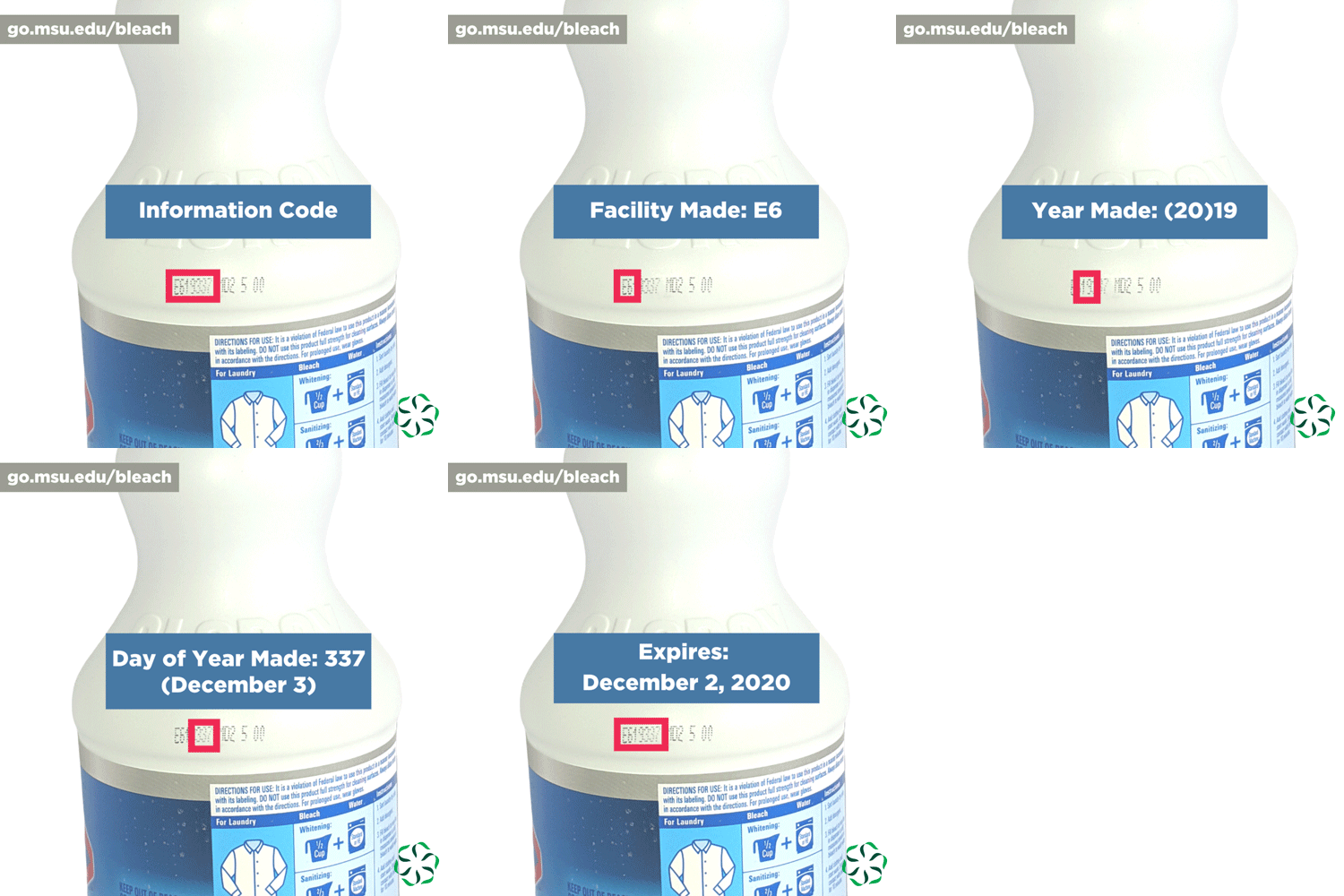
Yes, Clorox bleach has an expiration date. The company states that the product is effective for up to a year from the date of manufacture. After that, the active ingredient (sodium hypochlorite) begins to degrade, reducing its effectiveness. It’s important to check the label for the expiration date before using.
Conclusion
Bleach does expire. It loses its effectiveness over time, and the active ingredient, sodium hypochlorite, breaks down into salt and water. Using expired bleach can result in uneven cleaning or disinfecting and may not kill germs effectively. It’s best to check the expiration date on the bottle and replace it if it’s expired.
Keeping bleach in a cool, dry place can also help extend its shelf life. Remember to always handle bleach with care and follow the instructions on the label.