
Healthy hair reflects overall wellness and proper care. Shiny, strong, and smooth strands are not achieved overnight, but through consistent habits and mindful routines. Many common problems like dryness, breakage, thinning, and dullness can improve with simple changes in daily hair care.
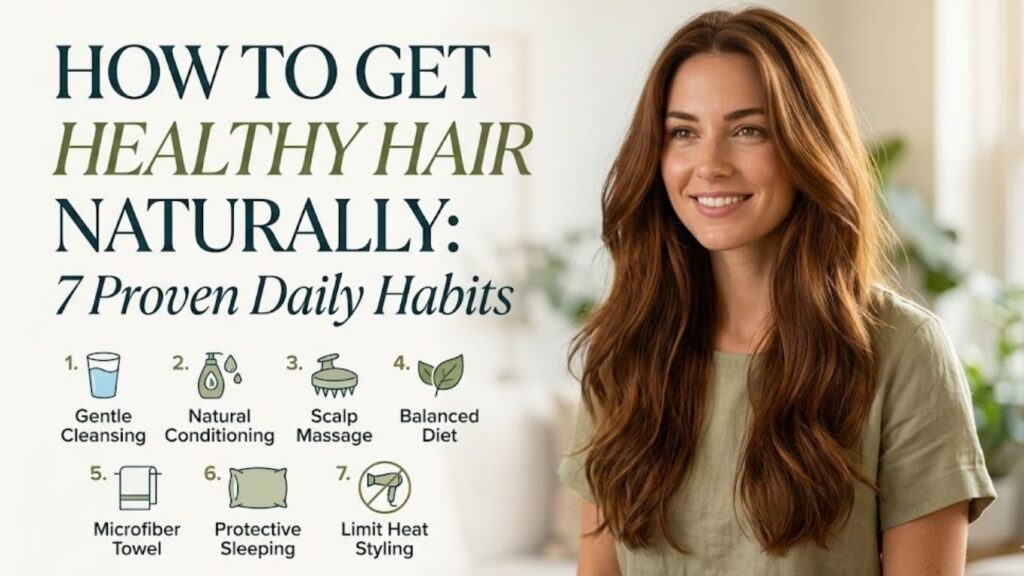
Building healthy hair requires attention to scalp care, nutrition, protection, and gentle styling. This complete guide explains practical and proven ways to strengthen your hair naturally and maintain long-term hair health without complicated routines.
Recommended Items to Buy
- Sulfate-free shampoo
- Deep conditioning hair mask
- Leave-in conditioner
- Heat protectant spray
- Scalp massage oil
Understanding What Makes Hair Healthy
Healthy hair begins at the scalp. Strong roots, balanced oil production, and good blood circulation all contribute to growth and shine. Each strand of hair is made of protein called keratin, and its outer layer protects the inner structure.
Hair becomes unhealthy when exposed to excessive heat, chemicals, pollution, poor nutrition, and stress. Split ends, rough texture, frizz, and hair fall are signs that hair needs better care.
True hair health focuses on:
- Proper cleansing
- Moisture balance
- Nutritional support
- Protection from damage
- Stress management
When these elements work together, hair becomes stronger, smoother, and more resilient.
How to Get Healthy Hair
Below are seven detailed methods to help you build strong and healthy hair step by step.
1. Follow a Balanced Diet for Strong Hair
Nutrition plays a major role in hair growth and strength.
Step-by-Step Guide
- Increase protein intake with eggs, fish, chicken, beans, and lentils.
- Add iron-rich foods such as spinach and red meat.
- Include vitamin C sources like oranges and berries.
- Consume healthy fats from nuts and seeds.
- Drink at least 2 liters of water daily.
- Add omega-3 fatty acids to support scalp health.
- Avoid excessive processed foods and sugar.
A consistent diet supports thicker and shinier hair over time.
2. Maintain a Proper Washing Routine
Overwashing or underwashing can damage hair.
Step-by-Step Guide
- Wash hair 2–3 times per week.
- Use lukewarm water instead of hot water.
- Apply sulfate-free shampoo to the scalp only.
- Massage gently using fingertips.
- Rinse thoroughly to avoid residue.
- Apply conditioner to mid-lengths and ends.
- Finish with cool water rinse.
Balanced cleansing keeps the scalp clean without stripping natural oils.
3. Deep Condition Regularly
Moisture is essential for flexibility and shine.
Step-by-Step Guide
- Shampoo hair first.
- Squeeze excess water gently.
- Apply deep conditioning mask evenly.
- Comb through with wide-tooth comb.
- Leave for 15–20 minutes.
- Cover with shower cap for better absorption.
- Rinse thoroughly with cool water.
Deep conditioning once weekly improves smoothness and strength.
4. Protect Hair from Heat Damage
Heat styling weakens hair structure.
Step-by-Step Guide
- Always apply heat protectant spray before styling.
- Use lowest possible heat setting.
- Avoid daily straightening or curling.
- Keep tools moving to prevent overheating.
- Air dry whenever possible.
- Avoid heat on wet hair.
- Trim damaged ends regularly.
Limiting heat keeps hair healthier long term.
5. Care for Your Scalp
Healthy scalp equals healthy hair growth.
Step-by-Step Guide
- Massage scalp with natural oil twice weekly.
- Use gentle circular motions.
- Leave oil on for at least one hour.
- Wash thoroughly afterward.
- Avoid scratching with nails.
- Use a scalp brush for better circulation.
- Keep scalp clean from product buildup.
Improved blood flow nourishes hair follicles.
6. Reduce Stress and Improve Lifestyle
Stress can cause hair thinning and shedding.
Step-by-Step Guide
- Sleep 7–8 hours every night.
- Practice deep breathing exercises daily.
- Engage in light physical activity.
- Limit caffeine intake.
- Spend time outdoors.
- Maintain a regular daily routine.
- Stay hydrated throughout the day.
A balanced lifestyle supports steady hair growth cycles.
7. Trim Hair and Avoid Harsh Chemicals
Split ends weaken overall appearance.
Step-by-Step Guide
- Trim hair every 6–8 weeks.
- Remove damaged ends carefully.
- Avoid frequent chemical treatments.
- Minimize bleaching or strong dyes.
- Use gentle hair ties.
- Avoid tight hairstyles.
- Choose soft pillowcases to reduce friction.
Regular maintenance prevents breakage and thinning.
Additional Tips for Long-Term Hair Health
- Use a wide-tooth comb on wet hair
- Avoid brushing aggressively
- Protect hair from direct sun exposure
- Use silk or satin pillowcases
- Avoid overloading styling products
- Stay consistent with routines
Small daily habits create visible improvements.
Signs of Healthy Hair
Healthy hair usually shows:
- Natural shine
- Smooth texture
- Minimal breakage
- Balanced oil production
- Strong roots
- Elasticity without snapping
If your hair reflects these qualities, your routine is working.
Common Mistakes That Damage Hair
- Washing hair daily with harsh shampoo
- Using very hot water
- Over-styling with heat tools
- Skipping conditioner
- Ignoring scalp health
- Poor nutrition
Avoiding these mistakes protects long-term hair health.
Frequently Asked Questions
How long does it take to get healthy hair?
Most people notice improvement within 4–8 weeks of consistent care.
Can damaged hair become healthy again?
Yes, with proper hydration, trimming, and protection, hair can improve significantly.
Is oiling necessary for healthy hair?
Oiling helps improve scalp circulation and reduce dryness.
How often should I deep condition?
Once a week is ideal for most hair types.
Does stress affect hair health?
Yes, high stress levels can increase hair shedding.
Can diet really improve hair?
Absolutely. Nutrients directly support hair strength and growth.
Is natural air drying better?
Air drying reduces heat damage and supports healthier strands.
Final Words
Healthy hair is built through consistent care, balanced nutrition, and protective habits. By following these seven proven methods, you create a strong foundation for shinier, smoother, and more resilient hair.
Stay patient and consistent with your routine. Small improvements each day will gradually transform your hair into its healthiest and most beautiful state.