
Permanent markers like Sharpies are great for labeling, crafting, and creative projects, but not when they accidentally end up on your favorite clothes. Sharpie stains can seem impossible to remove because of the ink’s permanent, oil-based pigments that quickly bond to fabric fibers. However, with the right methods and a little patience, you can successfully remove even the toughest Sharpie marks without ruining your clothing.
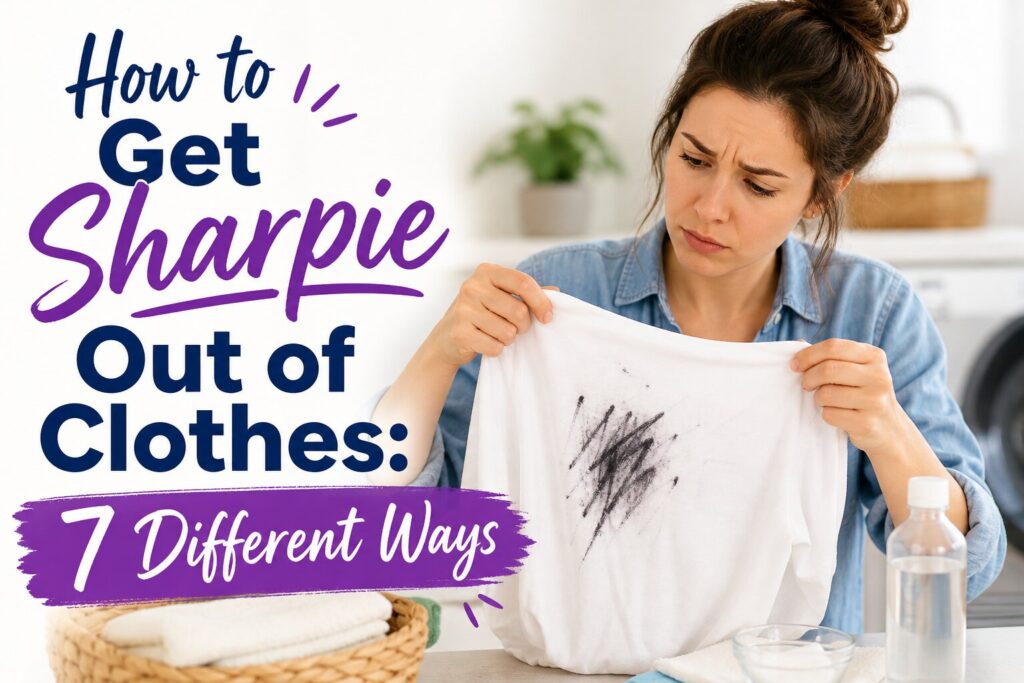
In this complete guide, we’ll explore 7 different ways to get Sharpie out of clothes, along with tips for handling various fabrics, common mistakes to avoid, and answers to frequently asked questions. Whether the ink is fresh or dried, you’ll find practical and safe methods that actually work.
Essential Items to Buy Before You Start
Before starting the stain removal process, it’s important to gather a few essential items. Having these supplies ready will make the process easier and help prevent the ink from spreading further.
1. Rubbing Alcohol
Isopropyl alcohol is one of the most effective products for removing Sharpie stains. It breaks down the permanent ink pigments so they can be lifted from fabric fibers.
2. Acetone or Nail Polish Remover
Acetone dissolves ink pigments effectively, especially on sturdy fabrics like cotton or denim. It’s strong, so use carefully and always test a small area first.
3. White Vinegar
White vinegar helps loosen and lighten ink stains while being safe on most fabrics. It’s a gentle, natural option for those avoiding harsh chemicals.
4. Hydrogen Peroxide
Hydrogen peroxide acts as a mild bleaching agent that can lift stubborn ink pigments from lighter fabrics without fading color too much.
5. Laundry Detergent or Stain Remover
A powerful laundry detergent or commercial stain remover ensures any ink residue is completely washed away after treatment, leaving clothes fresh and clean.
Why Sharpie Stains Are So Difficult to Remove
Sharpie ink is designed to be permanent—it contains colorants, solvents, and resins that quickly penetrate fabric fibers and bind tightly. Once dried, the ink becomes resistant to water and many household cleaners. This is why traditional laundry detergents alone can’t remove Sharpie marks.
To successfully lift the stain, you need a solvent capable of dissolving the ink pigments without damaging the fabric. Timing is also crucial—the sooner you act after the stain occurs, the better the results will be. Understanding how Sharpie ink bonds to fabric helps you choose the most effective cleaning method for each type of material.
How to Get Sharpie Out of Clothes: 7 Different Ways
Here are seven tried-and-true ways to remove Sharpie ink from clothing safely and effectively. Each method is designed for different fabrics and stain types, so choose the one that fits your situation best.
1. Rubbing Alcohol Method

Rubbing alcohol is the most commonly recommended method for removing Sharpie stains because it dissolves the ink pigments effectively. To start, place a clean white cloth under the stained area to prevent the ink from transferring to other parts of the fabric. Dab rubbing alcohol onto the stain using a cotton ball or swab. Blot gently—don’t rub—to lift the ink. Continue until you see the color fading. Once most of the ink is removed, rinse the area with cold water and wash the garment as usual. This technique works especially well on cotton, polyester, and blended fabrics.
2. Acetone or Nail Polish Remover
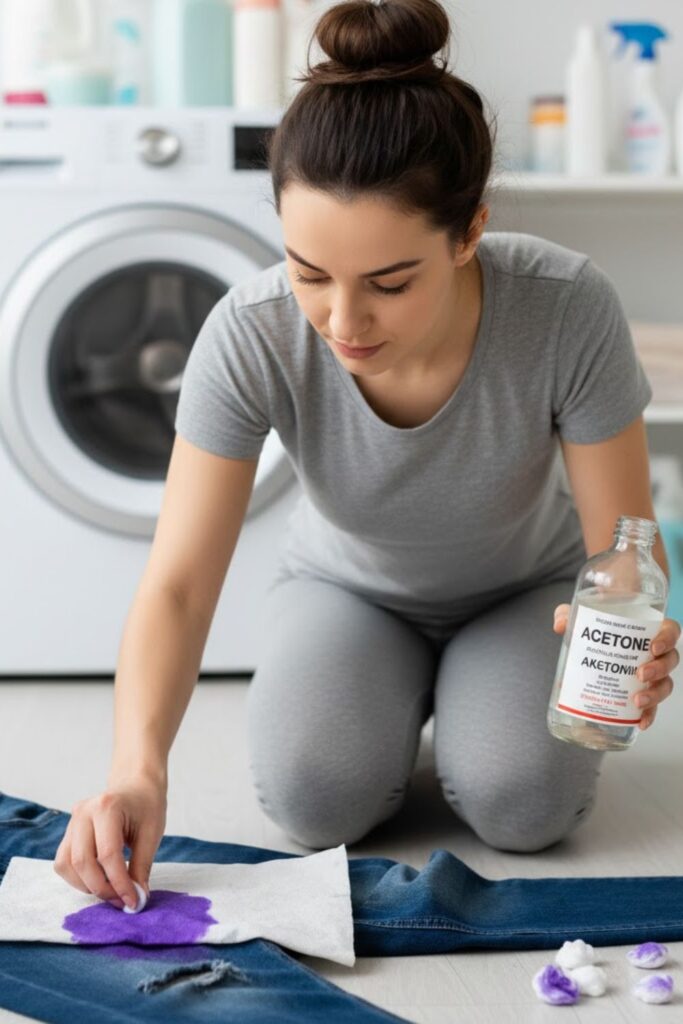
Acetone is a powerful solvent that breaks down permanent marker ink effectively. Place a paper towel under the stain and apply acetone to the affected area using a cotton ball or cloth. Gently blot the stain until the ink begins to lift. Rotate to a clean part of the cloth as the ink transfers. Rinse immediately with cold water after the stain lightens. Always test on a hidden area first—acetone may damage or fade synthetic fabrics like rayon or acetate. For tough stains on durable fabrics like denim, this method is especially effective.
3. White Vinegar and Baking Soda
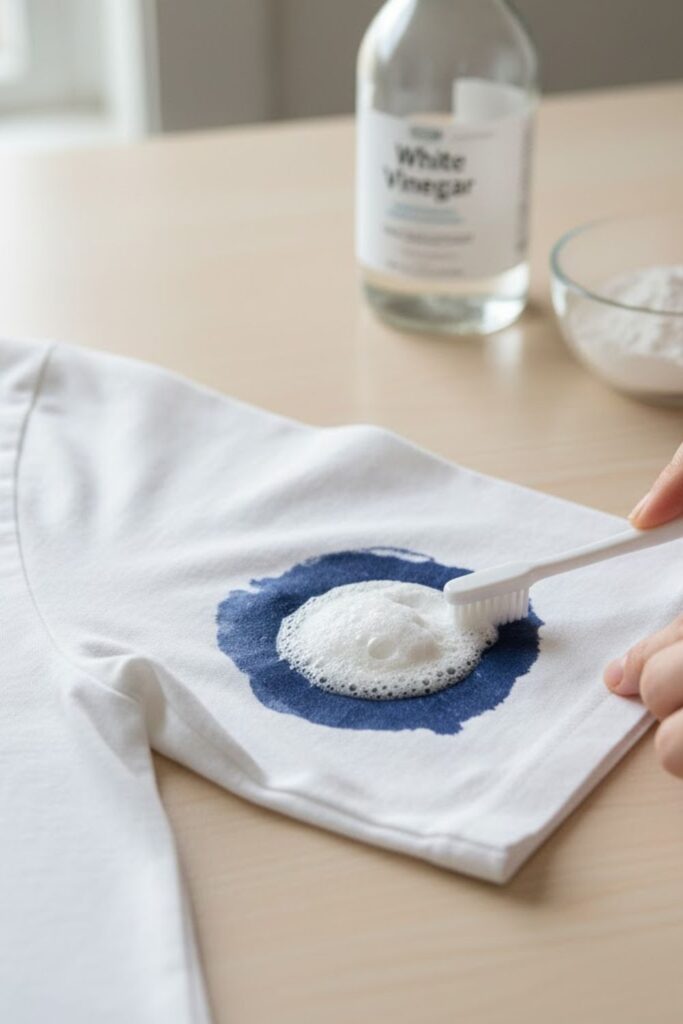
White vinegar and baking soda create a gentle yet effective cleaning reaction that helps lift ink stains from fabric. Mix two tablespoons of baking soda with two tablespoons of vinegar to create a paste. Apply the mixture directly to the Sharpie stain and let it sit for about 15 minutes. The fizzing action helps break down the ink particles and lift them from the fibers. Gently scrub the spot with a soft toothbrush, rinse with cold water, and repeat if necessary. This method is perfect for lighter fabrics or when you want to avoid chemical-based cleaners.
4. Hydrogen Peroxide and Dish Soap Solution
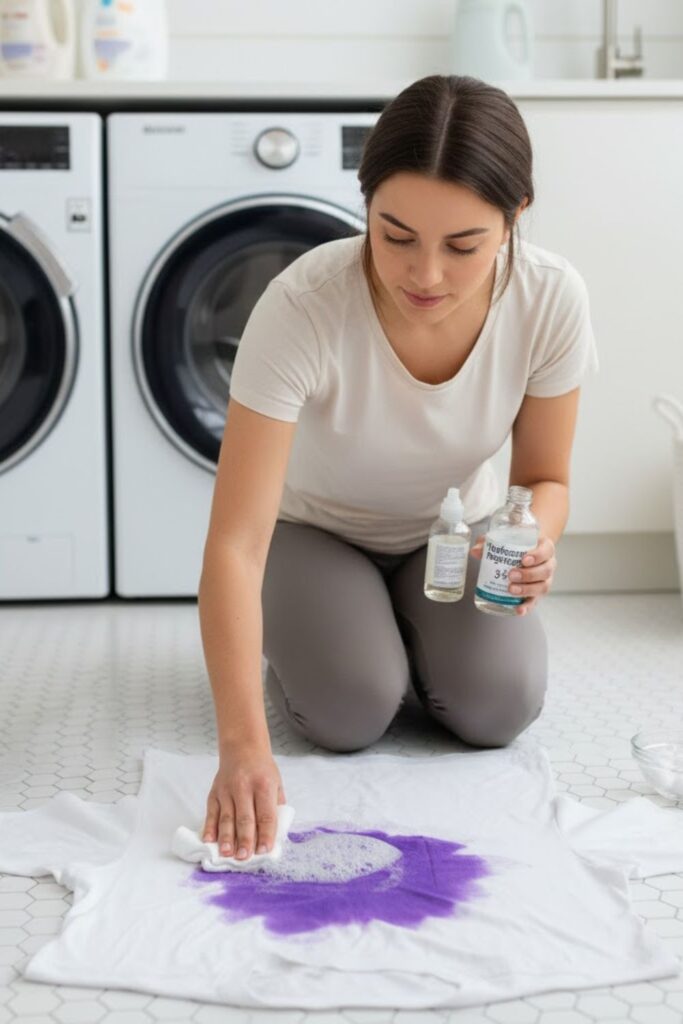
Hydrogen peroxide combined with dish soap creates a powerful cleaning solution for stubborn Sharpie marks. Mix one tablespoon of hydrogen peroxide with a few drops of mild dish soap and apply it to the stain using a clean cloth. Let it sit for about 10 minutes before gently blotting. The peroxide helps lift pigment, while the dish soap removes residue and oils from the ink. Rinse with cold water and wash the garment as normal. This method is ideal for white or light-colored fabrics, as it can have a mild bleaching effect on darker clothes.
5. Hairspray and Rubbing Alcohol Combo
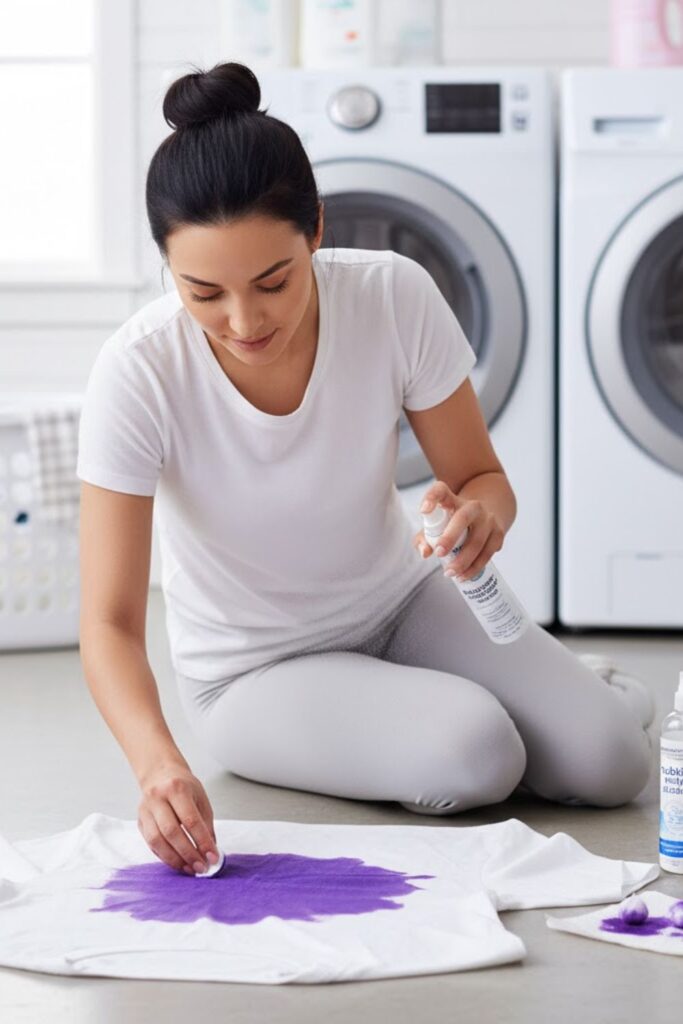
Hairspray contains alcohol, which can break down Sharpie ink and help remove stains effectively. Spray a generous amount onto the stained area and allow it to sit for about two to three minutes. Then, blot the area gently with a cloth soaked in rubbing alcohol. As you blot, the ink should start to transfer onto the cloth. Continue until the stain fades, then rinse with cold water. Hairspray works best on cotton, denim, or polyester blends. Avoid using this method on delicate fabrics such as silk or wool, as the alcohol content may cause damage.
6. Lemon Juice and Salt Scrub
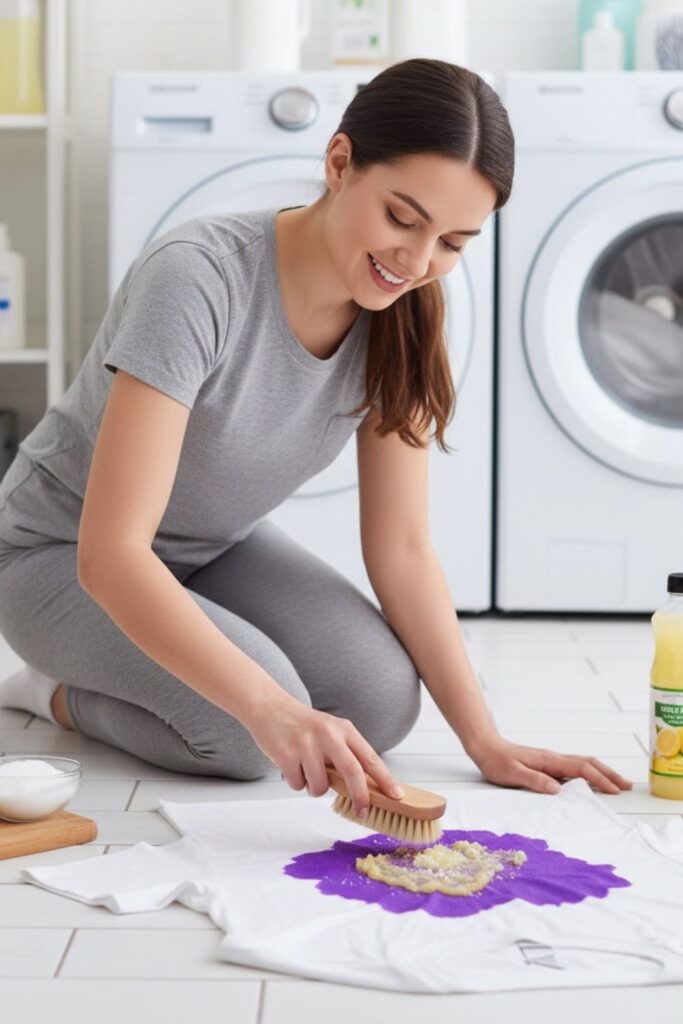
This natural stain remover is safe for many fabrics and offers a refreshing, chemical-free way to treat Sharpie stains. Combine fresh lemon juice with a tablespoon of salt to create a paste. Apply it directly to the stained area and gently scrub with a soft brush. The acid in lemon juice breaks down the ink pigments, while the salt acts as a mild abrasive that lifts them from the fabric surface. Let the mixture sit for about 10 minutes, rinse thoroughly with cold water, and wash the garment. This method works best for light or white fabrics.
7. Commercial Ink Remover or Stain Remover
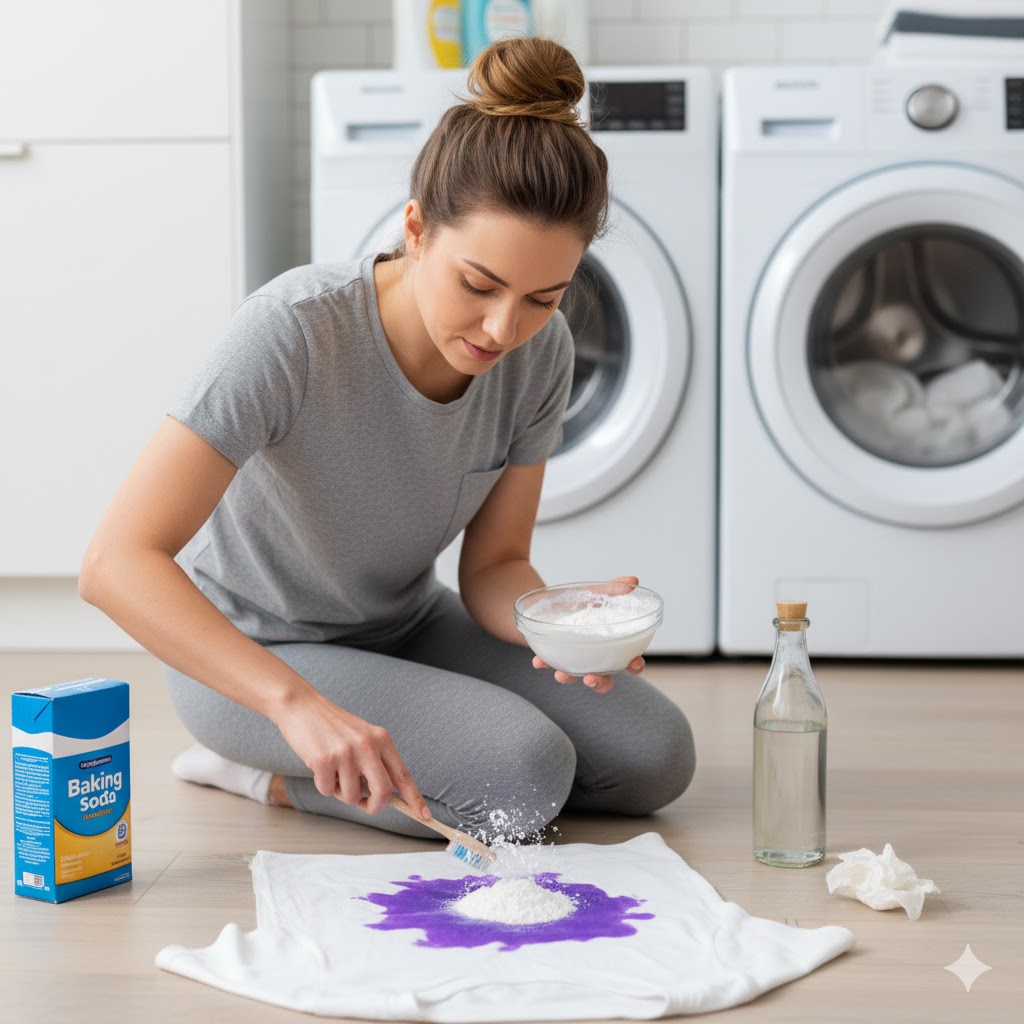
When household remedies don’t work, a commercial ink remover can help. These products are formulated to target ink-based stains like Sharpie without damaging the fabric. Apply the remover according to the product’s instructions, let it sit for the recommended time, and then blot the area with a clean cloth. Rinse well with water before laundering. Commercial removers are especially useful for large stains or fabrics that have already gone through the wash cycle. Always perform a patch test first to ensure the product is safe for your specific fabric.
Additional Tips for Removing Sharpie Stains
Even though the above methods are effective, there are a few extra techniques you can use to make the process easier and more successful.
Act Quickly
The faster you treat a Sharpie stain, the better your chances of removing it completely. Fresh ink is much easier to lift than dried or set stains.
Blot, Don’t Rub
Always blot gently rather than scrubbing. Rubbing spreads the ink and drives it deeper into the fabric fibers, making it harder to remove.
Use White Cloths or Paper Towels
Colored cloths can transfer dyes onto the fabric during cleaning. White cloths allow you to see the ink as it’s lifted.
Test in an Inconspicuous Spot
Some cleaning agents can affect fabric color or texture. Always test first on an inside seam or hidden area.
Rinse Thoroughly
After treating the stain, rinse with cold water to remove any residual cleaning agent before washing.
When the Sharpie Stain Is Old or Set
Older Sharpie stains may require a combination of treatments and patience. Here’s what you can do if the stain has been sitting for a while.
Step 1: Soften the Ink
Apply rubbing alcohol or acetone to a cotton pad and let it sit on the stain for 10–15 minutes to loosen the ink.
Step 2: Gently Blot or Scrape
Once softened, blot gently with a cloth or use a dull knife to lift off any hardened ink residue.
Step 3: Pre-Treat Before Washing
Apply a small amount of liquid detergent or stain remover, let it sit for another 10 minutes, and then wash the garment in cold water.
Repeat the process if needed. Persistence often pays off with older or dried stains.
Common Mistakes to Avoid
Even with good intentions, some common errors can make Sharpie stains harder to remove. Avoid these to improve your results.
Using Hot Water
Heat can set ink stains permanently. Always use cold water during the cleaning process.
Scrubbing Too Hard
Scrubbing can spread the ink and damage fabric fibers. Always blot gently and patiently.
Ignoring Fabric Labels
Each fabric reacts differently to solvents. Always read the garment’s care label before applying strong cleaners like acetone or alcohol.
Mixing Multiple Cleaning Agents
Combining products can lead to chemical reactions or fabric damage. Stick to one method at a time.
Drying Before Stain Removal
Never put stained clothes in the dryer before confirming the stain is completely gone, as heat sets the ink permanently.
Fabric-Specific Advice
Different fabrics respond differently to cleaning agents. Here’s how to treat Sharpie stains based on fabric type.
Cotton and Linen
These durable fabrics can handle stronger solvents like rubbing alcohol and acetone. Always rinse thoroughly after cleaning.
Polyester and Synthetics
Use rubbing alcohol or vinegar instead of acetone, as strong chemicals can damage or melt synthetic fibers.
Silk and Wool
Stick to mild cleaners like vinegar or lemon juice, or take these garments to a professional cleaner to prevent damage.
Denim
Denim can tolerate acetone or alcohol, but use a minimal amount to avoid color fading. Always rinse with cold water.
Blended Fabrics
Test a small hidden spot before applying any cleaner. Blends can react unpredictably depending on the fiber composition.
FAQs
Can I use rubbing alcohol on colored clothes?
Yes, but test it first. Some dyes may fade when exposed to alcohol, so it’s best to try it on an inner seam or hidden area.
What if the Sharpie stain is already washed and dried?
You can still try alcohol or a commercial ink remover, but it may take several attempts. Avoid applying heat until the stain fully disappears.
Is vinegar safe for all fabrics?
Vinegar is generally safe, but always dilute it or test it on delicate fabrics. Pure vinegar may slightly alter colors on dark fabrics.
Should I scrub or blot the Sharpie stain?
Always blot. Scrubbing pushes the ink deeper and spreads it to surrounding fabric areas.
What’s the fastest way to remove a Sharpie stain?
Rubbing alcohol usually works the quickest. Apply it immediately after the stain occurs and blot gently until the ink lifts away.
Final Words
Sharpie stains might seem impossible to remove, but with the right tools and patience, your clothes can look as good as new again. Whether you use rubbing alcohol, acetone, vinegar, or natural ingredients like lemon and salt, there’s always a safe and effective method for every fabric type.
The key is to act fast, blot gently, and avoid heat until the stain is fully gone. Each of these 7 different ways to get Sharpie out of clothes provides a reliable solution that can rescue your garments from permanent ink damage.
Next time you face an ink mishap, stay calm—just grab your cleaning supplies, follow the right method, and watch the stain disappear. With care and consistency, even the darkest Sharpie marks can be completely erased from your clothes.