
Crocheting has become more than just a hobby; it’s a creative outlet and a sustainable way to make stylish, functional items. Among the many things you can create with yarn and a hook, crocheted bags stand out as both fashionable and practical. Whether you’re aiming to make a tote for groceries, a chic handbag for outings, or a beach-ready summer bag, crocheting allows you to design something unique and handmade.
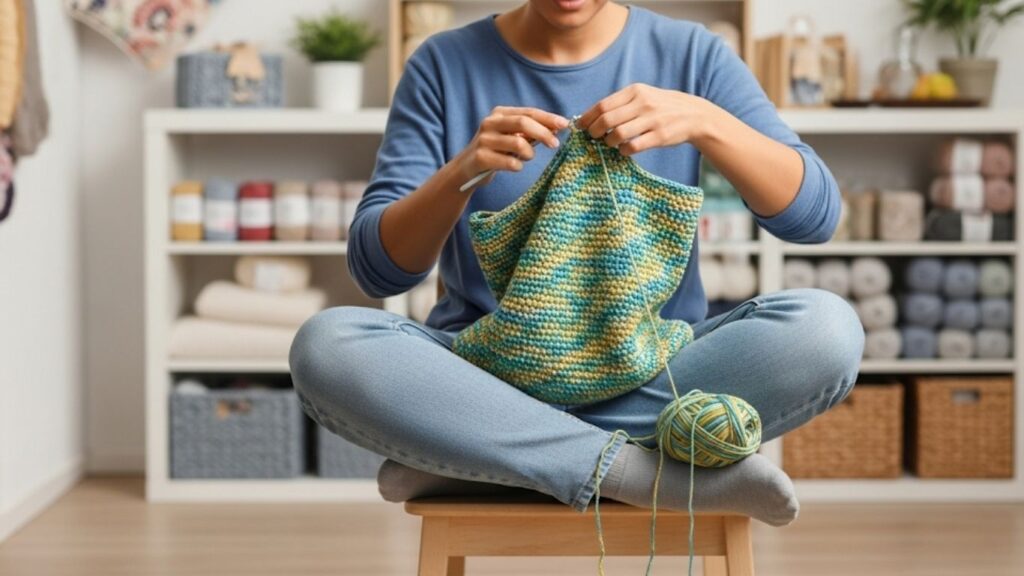
If you’ve ever wondered how to crochet a bag from scratch, this guide will walk you through every step. From understanding the basics to choosing the right yarn and stitches, we’ll cover techniques, patterns, and finishing touches. With practice, you’ll be able to create bags that are not only durable but also stylish enough to rival store-bought options.
Why Crochet A Bag?
Personal Style Expression
Crocheted bags can be tailored to your taste in size, color, shape, and design.
Eco-Friendly Choice
Reusable crochet bags reduce plastic usage and support sustainable living.
Skill-Building
Bag projects help beginners practice foundational stitches and allow advanced crafters to explore more complex techniques.
Handmade With Love
Handmade bags carry personal value, making them great for gifts or even starting a small business.
Tools And Materials You’ll Need
Crochet Hooks
The hook size depends on your yarn weight. Common bag projects use 4 mm to 6 mm hooks.
Yarn
- Cotton yarn: sturdy and durable
- Nylon cord: strong and structured
- Acrylic yarn: versatile and affordable
Stitch Markers
Helpful for keeping track of rounds in circular or seamless bags.
Tapestry Needle
Used to weave in yarn ends neatly.
Scissors
Sharp scissors for cutting yarn cleanly.
Optional Accessories
- Bag handles (wood, leather, or crocheted)
- Magnetic clasps or zippers
- Fabric lining for durability
Choosing The Right Yarn For Crochet Bags
Cotton Yarn
Ideal for sturdy totes and everyday bags. Cotton holds shape well and resists stretching.
Nylon Or Polyester Cord
Best for beach bags or market totes that require strength and durability.
Jute Or Hemp Yarn
Perfect for rustic, eco-friendly styles. These fibers are tougher but less flexible.
Blended Yarns
Blends of cotton and acrylic give balance between strength and softness.
Basic Crochet Stitches For Bags
Chain Stitch (ch)
The foundation of most crochet projects, used for starting rows or making straps.
Slip Stitch (sl st)
Great for joining rounds or creating a smooth, reinforced edge.
Single Crochet (sc)
Tight and sturdy, this stitch is perfect for bag bodies.
Half Double Crochet (hdc)
Offers a balance of height and density for flexible yet firm fabric.
Double Crochet (dc)
Creates a more open, breathable fabric, often used for mesh-style bags.
Step-By-Step Guide To Crocheting A Simple Tote Bag
Step 1: Create The Base
- Start with a chain foundation about the width you want for your bag.
- Work single crochet stitches across, then rotate and continue along the other side to form an oval base.
- Keep increasing until the base reaches your desired size.
Step 2: Build The Body
- Work single crochet stitches in continuous rounds without increasing.
- Continue until the body reaches the height you want for your tote.
Step 3: Add Handles
- Chain a length for the handle, skip a few stitches, and rejoin with single crochet.
- Repeat on the other side for symmetry.
- Work a few reinforcing rows to strengthen the handles.
Step 4: Finishing Touches
- Fasten off and weave in all ends.
- Block the bag to shape it properly.
- Optionally, add lining or embellishments like tassels or buttons.
Different Types Of Crochet Bags
Tote Bags
Spacious and perfect for shopping or carrying daily essentials.
Crossbody Bags
Compact, stylish, and hands-free, usually featuring a long strap.
Clutch Bags
Small and elegant, often with decorative stitches or embellishments.
Drawstring Bags
Great for casual outings, gym use, or as gift bags.
Backpack-Style Bags
Functional and trendy, ideal for students or travelers.
Beach Bags
Roomy, mesh-style bags made with lightweight yarns for carrying towels and swimwear.
Advanced Crochet Bag Techniques
Color Blocking
Switch yarn colors to create modern, bold designs.
Tapestry Crochet
Use multiple yarn colors in one row to create patterns or motifs.
Granny Squares
Join granny squares to form creative, geometric bags.
Textured Stitches
Incorporate bobble stitches, puff stitches, or cables for added dimension.
Adding Lining To Your Crochet Bag
Why Add Lining?
Lining adds durability, prevents stretching, and keeps smaller items from slipping through gaps.
Materials Needed
- Fabric of choice (cotton works well)
- Sewing needle and thread
- Scissors and pins
Steps To Add Lining
- Cut fabric slightly larger than the bag’s dimensions.
- Sew fabric edges to create a pouch.
- Place the pouch inside the bag.
- Hand-stitch or machine-sew along the top edge to secure.
Crochet Bag Strap Ideas
Crocheted Straps
Made with chain and single crochet rows for strength.
Braided Straps
Use three strands of yarn to braid a stylish strap.
Leather Or Wooden Handles
Attach pre-made handles for a professional look.
Rope Straps
Durable and nautical-inspired, perfect for beach bags.
Decorative Additions To Crochet Bags
Tassels
Add flair to drawstring ends or sides of the bag.
Pom-Poms
Attach colorful pom-poms for playful charm.
Buttons
Use decorative buttons as closures or accents.
Embroidery
Hand-stitch flowers, initials, or patterns onto the bag for personalization.
Seasonal Crochet Bag Ideas
Spring
Bright pastel totes with floral embroidery.
Summer
Mesh beach bags made with lightweight yarn.
Fall
Earth-toned handbags with textured stitches.
Winter
Chunky yarn backpacks or crossbody bags in cozy colors.
Tips For Beginners Crocheting A Bag
- Start with simple stitches like single crochet.
- Use sturdy cotton yarn for better results.
- Stick to smaller projects like clutches before moving on to larger totes.
- Practice tension control for consistent stitch size.
- Don’t skip blocking—it shapes your bag beautifully.
Common Mistakes To Avoid
- Choosing the wrong yarn (stretchy yarn can make bags sag).
- Forgetting to reinforce handles (weak handles may break).
- Not lining open-weave bags (items can fall through).
- Ignoring gauge, leading to uneven sizes.
Frequently Asked Questions
How long does it take to crochet a bag?
The time varies depending on complexity. A simple tote may take 5–7 hours, while a detailed backpack can take several days.
Can beginners crochet a bag?
Yes! Start with a simple pattern using basic stitches and sturdy yarn.
Do I need to line all crochet bags?
Not always. Market totes and beach bags may not need lining, but handbags and clutches benefit from it.
What is the best yarn for crochet bags?
Cotton yarn is highly recommended for durability and structure. Nylon cord is also excellent for strength.
Can crochet bags be washed?
Yes, but always follow yarn care instructions. Cotton bags are machine washable, while others may need hand washing.
Are crochet bags durable?
With sturdy yarn and reinforced straps, crochet bags can last years with proper care.
Final Words
Crocheting a bag is both rewarding and practical. With just yarn, a hook, and a bit of patience, you can create a functional accessory that reflects your personality and style. Whether you stick to simple totes or explore advanced designs like tapestry crochet or granny square bags, each project builds your skills and creativity.
This guide covered everything from the tools and stitches to detailed step-by-step instructions, strap ideas, lining methods, and decorative touches. With these tips, you’ll not only learn how to crochet a bag but also master how to make it durable, stylish, and uniquely yours.
So, grab your hook, pick your yarn, and start creating your own crochet bag today. The possibilities are endless, and every stitch brings you closer to a handmade treasure you’ll cherish.