
Few things are as satisfying as biting into a slice of cheesy pizza loaded with sauce. But as enjoyable as pizza nights are, they often come with an unfortunate risk: sauce stains. A single drop of tomato-rich pizza sauce can leave a bright red mark on your favorite shirt, dress, or pair of jeans. Tomato-based stains are stubborn because they contain natural pigments, oils, and acids that cling tightly to fabric fibers.
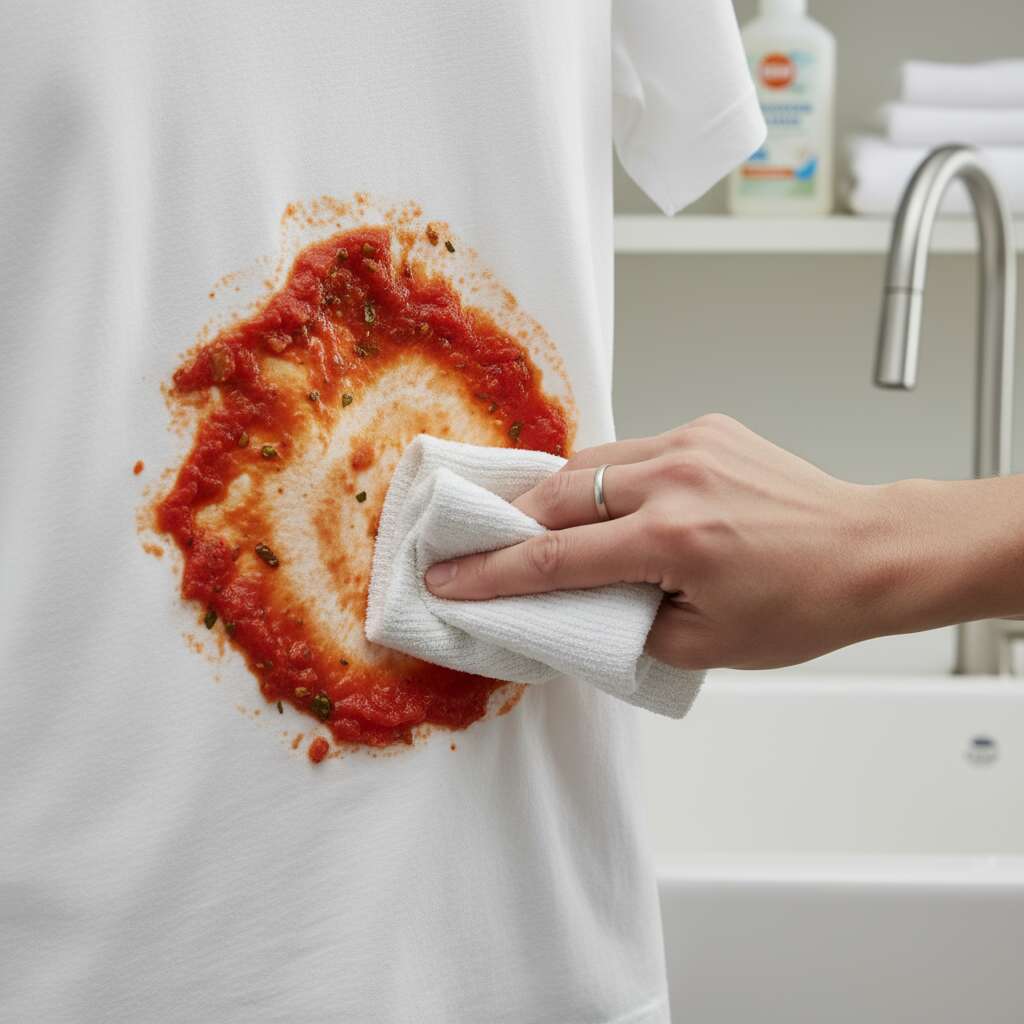
If left untreated, pizza sauce stains can set permanently, making your clothing look ruined. Luckily, with the right steps, products, and techniques, you can save your clothes and restore them to their original condition. This guide covers everything you need to know about removing pizza sauce from clothes, whether the stain is fresh or dried, whether you’re at home or out at a restaurant, and whether your fabric is cotton, silk, or polyester.
Why Pizza Sauce Stains Are So Tough
Pizza sauce stains are notorious because they contain multiple elements that make removal tricky:
- Tomato pigments: The natural red color of tomatoes (lycopene) binds strongly to fibers.
- Oils and grease: Pizza sauce often contains olive oil or cheese grease that seeps into fabrics.
- Acidity: The acidity in tomato sauce can weaken fibers if not treated promptly.
- Heat factor: Pizza is often eaten hot, and heat sets stains faster.
Understanding these factors helps in choosing the right cleaning method.
First Steps: Acting Quickly
Blot, Don’t Rub
When pizza sauce drips on your clothes, resist the urge to rub it. Rubbing pushes the stain deeper into the fibers and spreads it. Instead, blot the excess sauce gently with a napkin, tissue, or clean cloth.
Remove Excess Sauce
If there’s a chunk of sauce or cheese on the fabric, lift it carefully with a spoon or butter knife before treating the stain.
Cold Water Rinse
Run cold water through the back of the fabric to flush out as much of the sauce as possible. Hot water should be avoided at this stage, as it can set the stain permanently.
Methods to Remove Pizza Sauce Stains
Method 1: Dish Soap and Cold Water
This is the simplest method for fresh stains.
- Blot away excess sauce.
- Apply a few drops of liquid dish soap directly to the stain.
- Gently rub the fabric together or use a soft brush.
- Rinse with cold water.
- Repeat if necessary before laundering.
Dish soap is effective because it cuts through the oils and grease in the sauce.
Method 2: White Vinegar and Water Solution
Vinegar helps neutralize the acidity of tomatoes and lifts stains.
- Mix one part white vinegar with two parts cold water.
- Dip a clean cloth in the solution and blot the stain.
- Rinse thoroughly with cold water.
- Wash as usual.
This method works well for natural fabrics like cotton and linen.
Method 3: Baking Soda Paste
Baking soda is a gentle yet effective cleaner for stubborn stains.
- Mix baking soda with a little water to create a paste.
- Spread the paste over the stained area.
- Let it sit for 15–20 minutes.
- Gently scrub with a soft brush or cloth.
- Rinse with cold water and launder.
Method 4: Lemon Juice for Natural Whitening
Lemon juice can act as a natural bleaching agent for light-colored fabrics.
- Squeeze fresh lemon juice directly onto the stain.
- Let it sit for 5–10 minutes.
- Rinse thoroughly with cold water.
- Wash the garment as usual.
This method should be avoided on dark fabrics as it may lighten the color.
Method 5: Commercial Stain Remover
When home remedies don’t fully work, a stain remover designed for grease and food stains can be effective. Spray or apply the product on the stained area, let it sit for a few minutes, and then wash according to the care label.
How to Remove Dried Pizza Sauce Stains
Fresh stains are easier to remove, but sometimes you discover the stain after it has dried. Here’s how to handle it:
- Gently scrape off any dried sauce residue with a dull knife.
- Soak the fabric in a solution of cold water and a few drops of dish soap for 30–60 minutes.
- Apply a baking soda paste or stain remover directly to the stain.
- Launder on the cold cycle.
- Check before drying; if the stain is still visible, repeat the process.
Never put stained clothes in the dryer until the stain is completely gone. Heat will lock it in.
Fabric-Specific Care
Cotton and Linen
These natural fibers are durable and can handle stronger treatments like vinegar or baking soda.
Polyester and Synthetic Fabrics
Gentle dish soap solutions are best. Avoid strong bleaching agents that could damage the fabric.
Wool and Silk
Delicate fabrics require extra care. Use mild detergents or professional dry-cleaning solutions. Always test on a hidden area first.
Denim
Pizza sauce on jeans can be stubborn. Pre-treat with dish soap and baking soda before washing.
Special Situations
Pizza Sauce on White Clothes
White clothes highlight tomato stains more prominently. For these, lemon juice or a diluted hydrogen peroxide solution can work wonders. Always test before applying to ensure no damage.
Pizza Sauce on Dark Clothes
Stick to dish soap, vinegar, or commercial stain removers to avoid discoloration.
Pizza Sauce on Kids’ Clothes
Children often spill while eating pizza. Treat stains immediately with gentle dish soap, then wash in cold water. Repeat if necessary.
Pizza Sauce on Upholstery or Carpets
Accidents don’t just happen to clothing. For fabric furniture or carpets, blot away excess sauce, apply a vinegar and water solution, and dab until the stain lifts. Avoid soaking the area to prevent water damage.
Washing and Drying Tips
- Always check the garment care label before applying treatments.
- Wash stained clothes separately to avoid spreading.
- Use cold water cycles for stain removal.
- Air-dry clothes after washing to see if the stain is fully gone. Heat from dryers can make remaining stains permanent.
Preventing Pizza Sauce Stains
Napkins and Bibs
Using napkins or bibs while eating pizza can reduce the risk of stains, especially for children.
Pre-Treatment Sprays
Spraying clothes with a fabric protector before wearing can help prevent stains from setting.
Dark Clothing for Pizza Nights
If you know pizza is on the menu, wearing dark colors can help hide accidental stains.
Natural vs. Chemical Stain Removal
Some people prefer natural methods like vinegar, lemon juice, and baking soda, while others trust commercial stain removers. Both approaches work, but natural methods are safer for sensitive skin and eco-friendly fabrics, while chemical removers can be more powerful for deep, stubborn stains.
Frequently Asked Questions
Can pizza sauce stains be removed completely?
Yes, with prompt action and the right cleaning method, most pizza sauce stains can be fully removed.
What if I only noticed the stain after washing?
Rewash the garment after treating the stain with dish soap, vinegar, or baking soda. Avoid drying until the stain is gone.
Does hot water help in removing pizza sauce stains?
No, hot water sets stains. Always use cold water when treating pizza sauce marks.
Can I use bleach on white clothes?
Yes, but only as a last resort and in diluted form. Chlorine bleach can weaken fabrics, so try natural methods first.
How do I remove greasy cheese stains mixed with pizza sauce?
Apply dish soap to cut through the oils, then rinse with cold water. Follow up with a stain remover if needed.
Final Words
Pizza stains are frustrating but not impossible to remove. With quick action, the right tools, and a little patience, you can rescue your favorite clothes from red sauce disasters. The key is acting fast—blotting instead of rubbing, rinsing with cold water, and using the appropriate method based on fabric type and stain severity.
From natural remedies like vinegar and baking soda to commercial stain removers, there are multiple ways to tackle pizza sauce stains effectively. And once you know the right techniques, you’ll never have to panic over a dropped slice again.
So the next time pizza night gets a little messy, remember these steps and you’ll be able to enjoy your meal without worrying about ruining your outfit.