
Polyurethane is a common finish used for protecting wood, floors, and furniture. It creates a durable, glossy coating that looks beautiful—but it’s also notoriously difficult to remove if it gets on your clothes. Whether you’re a DIY enthusiast working on a weekend project or a professional who deals with polyurethane regularly, chances are you’ve faced the frustration of trying to clean it off your favorite jeans, shirt, or workwear.
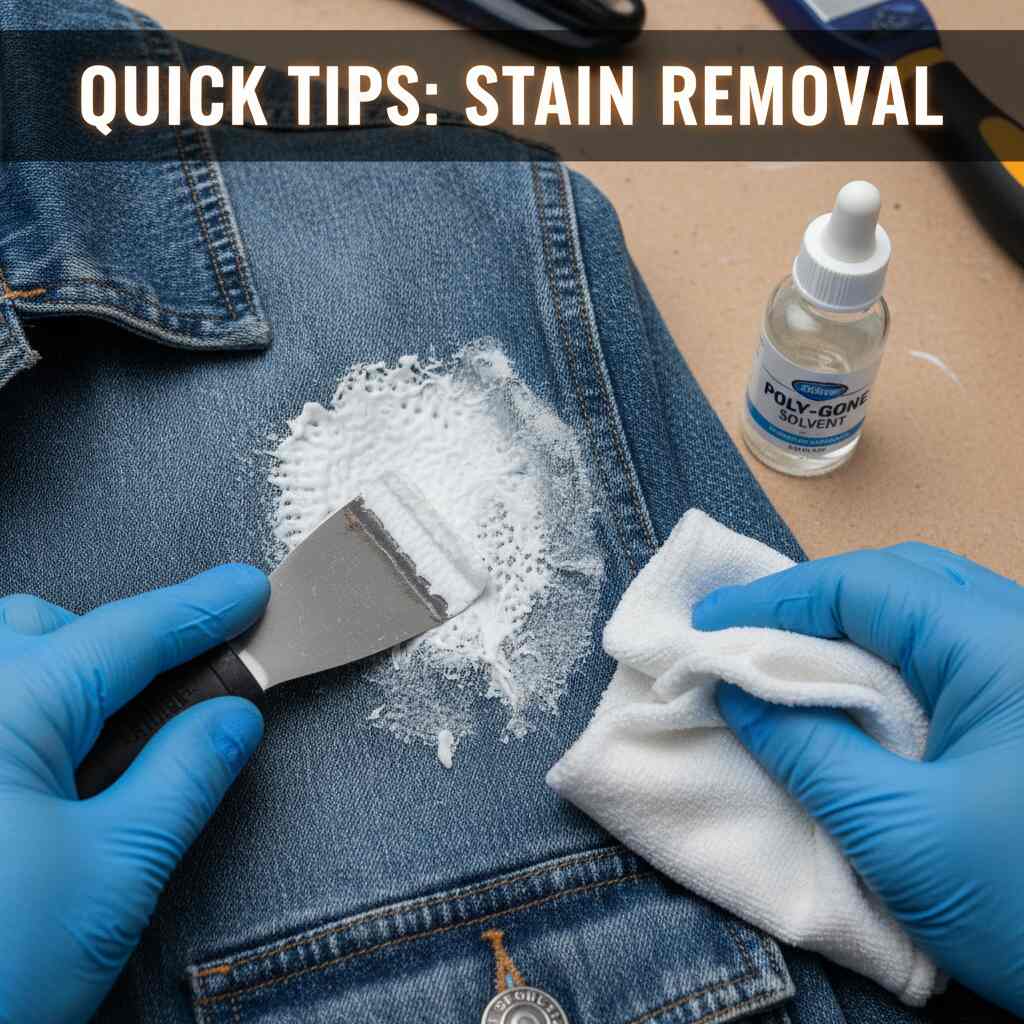
The tricky part is that polyurethane bonds quickly with fabric fibers, and the type of polyurethane—oil-based or water-based—makes a big difference in how easily it comes out. The good news is, with the right methods, you can save your clothes from permanent stains and keep them looking fresh.
This guide will walk you through everything you need to know about getting polyurethane out of clothes: quick fixes, deep-cleaning techniques, prevention tips, fabric-specific advice, and expert tricks.
Understanding Polyurethane Stains
Before you tackle the stain, it’s important to understand what you’re up against.
What is Polyurethane?
Polyurethane is a synthetic resin used as a sealant or coating. It dries hard, creating a protective barrier that resists water, scratches, and stains.
Types of Polyurethane
- Oil-based polyurethane: More durable, takes longer to dry, harder to clean.
- Water-based polyurethane: Dries quickly, easier to clean when fresh.
Why It Sticks to Clothes
Polyurethane bonds with fibers the same way it bonds with wood, creating a hardened layer that resists washing. That’s why traditional laundry methods often fail.
Immediate Action is Key
If polyurethane spills on your clothes, the first few minutes make all the difference.
Step 1: Do Not Rub
- Rubbing spreads the stain deeper into the fabric.
- Instead, blot gently with a paper towel or cloth.
Step 2: Identify the Type
- If you used water-based polyurethane, act quickly with soap and water.
- For oil-based polyurethane, solvents will be needed.
Step 3: Keep the Fabric Damp
- Polyurethane hardens when it dries.
- Keeping it damp gives you a better chance of removing it fully.
Removing Water-Based Polyurethane from Clothes
Water-based polyurethane is much easier to tackle.
Method 1: Rinse Immediately with Cold Water
- Hold the stained area under running cold water.
- Flush as much polyurethane out as possible.
Method 2: Soap and Water Scrub
- Apply liquid dish soap directly to the stain.
- Use a soft brush or cloth to scrub gently.
- Rinse and repeat until the stain fades.
Method 3: Vinegar Solution
- Mix equal parts vinegar and water.
- Soak the stain for 10–15 minutes.
- Rinse thoroughly afterward.
Method 4: Laundry Detergent Boost
- Rub a small amount of concentrated laundry detergent into the fabric.
- Wash in warm water (check care label first).
- Air dry to inspect if the stain remains.
Removing Oil-Based Polyurethane from Clothes
Oil-based polyurethane requires stronger solvents.
Method 1: Mineral Spirits
- Place a cloth underneath the stain.
- Apply a small amount of mineral spirits to a cotton ball.
- Dab gently until the polyurethane loosens.
- Wash immediately with detergent.
Method 2: Acetone or Nail Polish Remover
- Effective on smaller stains.
- Apply sparingly with a cotton ball.
- Rinse and wash thoroughly after treatment.
Method 3: Turpentine
- Traditionally used for oil-based finishes.
- Apply with caution and in a well-ventilated area.
- Always test on an inconspicuous area first.
Method 4: Dish Soap and Hot Water Soak
- After solvent treatment, soak in hot water mixed with dish soap.
- Scrub gently with a brush.
- Repeat if necessary.
Tackling Dried Polyurethane Stains
If the stain has already dried, removal is harder but not impossible.
Step 1: Scrape Off Excess
- Use a blunt knife or spoon to lift hardened polyurethane.
- Avoid damaging the fabric weave.
Step 2: Apply Solvent
- For oil-based polyurethane, use mineral spirits, turpentine, or acetone.
- For water-based, use soap and water with a little vinegar.
Step 3: Brush Gently
- Use a soft-bristle brush to loosen the polyurethane layer.
- Rinse between scrubbing to monitor progress.
Step 4: Repeat Treatments
- Dried polyurethane often requires multiple attempts.
- Patience is key to saving the fabric.
DIY Household Solutions
You don’t always need store-bought cleaners.
Rubbing Alcohol
- Works well for fresh or semi-dried polyurethane.
- Dab onto the stain and blot until it lifts.
Baking Soda Paste
- Mix baking soda with water to form a paste.
- Apply to the stain and let it sit for 30 minutes.
- Scrub gently and rinse.
Lemon Juice
- Mild acid that can help break down polyurethane residue.
- Works best on lighter fabrics.
Cleaning Polyurethane from Different Fabrics
Not all fabrics can withstand strong solvents.
Cotton
- Strong and durable.
- Can handle solvents like mineral spirits.
Denim
- Thick fabric, easier to scrub.
- Use dish soap and hot water after solvent treatment.
Wool
- Delicate and prone to damage.
- Avoid harsh solvents; use mild soap and water.
Polyester and Synthetics
- May react with strong solvents.
- Test first and use mild cleaners when possible.
Blends and Delicates
- Always start with the gentlest method.
- Professional cleaning may be necessary.
Preventing Polyurethane Stains on Clothes
The best solution is prevention.
Wear Protective Clothing
- Use old clothes or a painting apron.
- Disposable coveralls are ideal for big projects.
Use Drop Cloths
- Protect yourself and your surroundings.
Work in Controlled Areas
- Avoid crowded spaces where accidents are more likely.
Quick Clean Routine
- Keep wet wipes or damp cloths handy for spills.
Deep Cleaning After Treatment
Once the polyurethane is mostly removed, you still need to restore the fabric.
Pre-Wash Treatment
- Rub liquid detergent into the stained area.
- Let sit for 15–20 minutes before washing.
Machine Wash
- Wash clothes separately to avoid transferring residue.
- Use warm or hot water depending on fabric type.
Air Dry
- Do not use the dryer until the stain is completely gone.
- Heat can set polyurethane permanently.
Common Mistakes to Avoid
- Using bleach: It does not remove polyurethane and can damage fabrics.
- Scrubbing too hard: This frays the fibers and spreads the stain.
- Drying before cleaning: Heat sets polyurethane into the fabric.
- Skipping the test patch: Always test solvents before applying to the whole stain.
On-the-Go Solutions
If polyurethane spills while you’re away from home:
Blot Immediately
- Use tissues or napkins to lift excess polyurethane.
Rinse with Water
- If water-based, rinse right away under cold water.
Temporary Cover
- Use a jacket or accessory to cover the stain until you can treat it properly.
FAQ
Can polyurethane stains be completely removed?
Yes, especially if treated quickly. Fresh water-based polyurethane is easier to remove, while dried oil-based stains may require multiple treatments.
Will acetone damage clothes?
Acetone can damage delicate fabrics but is generally safe for cotton and denim. Always test first.
Can I use regular laundry detergent?
Laundry detergent works for water-based polyurethane but is not strong enough for oil-based stains without solvents.
Is it safe to wash clothes with mineral spirits residue?
Yes, if thoroughly rinsed first. Always wash separately to prevent cross-contamination.
Should I take stained clothes to a professional cleaner?
Yes, if the stain is large, old, or on delicate fabric. Professional cleaners have stronger yet fabric-safe solutions.
Final Words
Polyurethane stains may seem like the end of your favorite clothes, but they don’t have to be permanent. By acting quickly, choosing the right method for the type of polyurethane, and being patient with the cleaning process, you can rescue most fabrics.
Water-based polyurethane is forgiving and can often be removed with just soap and water. Oil-based polyurethane requires stronger solvents, but with careful application, even tough stains can be lifted. For dried stains, persistence is key—multiple treatments may be necessary, but most marks can be significantly reduced or removed altogether.
The best approach is always prevention, but accidents happen. With these expert tips and tricks, you’ll know exactly how to handle polyurethane spills and keep your clothes stain-free, fresh, and ready to wear again.