
Cooling towels have become a must-have accessory for athletes, fitness enthusiasts, outdoor workers, and anyone trying to stay cool in hot weather. These towels are designed with special fabrics that retain moisture while staying cool against your skin, providing relief during workouts, sports, or even daily outdoor activities.
But here’s the key: to keep your cooling towel effective, hygienic, and long-lasting, you need to wash it the right way. Washing it like a regular towel may reduce its cooling properties, trap odors, or wear down the material prematurely.
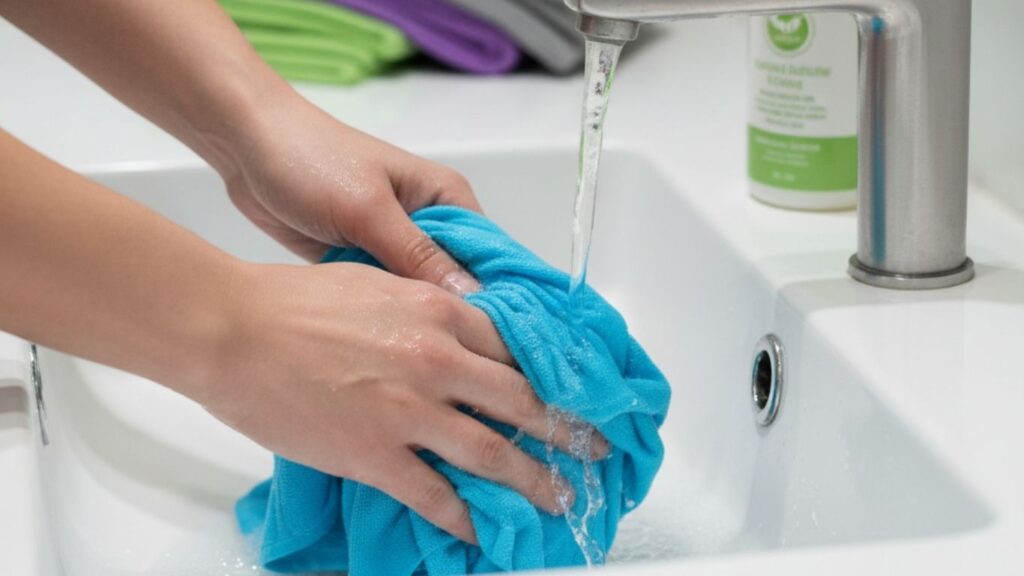
In this ultimate guide, we’ll cover everything you need to know about washing cooling towels like a pro. From preparation to washing techniques, drying methods, common mistakes to avoid, and long-term care tips, you’ll learn how to keep your cooling towel in top shape for years.
Why Washing Cooling Towels Properly Matters
Preserves Cooling Technology
Cooling towels are made with advanced fibers that hold water while allowing airflow for evaporation. Improper washing can damage this structure and reduce effectiveness.
Prevents Odors
Since cooling towels often absorb sweat, dirt, and oils, regular and proper washing keeps them fresh and odor-free.
Extends Lifespan
Correct washing prevents fraying, fabric weakening, and loss of elasticity.
Ensures Hygiene
Sweat-soaked towels can harbor bacteria. Washing them correctly ensures they remain safe for repeated use.
Understanding Cooling Towel Fabrics
Before you wash, it’s important to understand what cooling towels are made of.
Microfiber Cooling Towels
- Lightweight and quick-drying.
- Retain moisture longer than cotton.
- Sensitive to high heat.
PVA (Polyvinyl Acetate) Cooling Towels
- Thicker, with a sponge-like texture.
- Hold water exceptionally well.
- Require careful washing to avoid stiffness.
Blended Cooling Towels
- A mix of polyester, nylon, or microfiber.
- Offer durability with cooling properties.
- Easier to wash than pure PVA.
Knowing your towel type helps you pick the best washing method.
Step-by-Step Guide: How To Wash a Cooling Towel
Step 1: Check Manufacturer Instructions
- Always read the care label.
- Follow recommended washing temperatures and detergent guidelines.
Step 2: Shake Off Debris
- Shake out dust, dirt, or grass before washing.
- Rinse quickly under cold water to remove surface grime.
Step 3: Choose the Right Detergent
- Use mild, fragrance-free detergent.
- Avoid bleach, softeners, or harsh chemicals.
Step 4: Select the Best Washing Method
Hand Washing
- Fill a basin with cool or lukewarm water.
- Add a small amount of mild detergent.
- Gently swirl the towel for 5–10 minutes.
- Rinse thoroughly to remove all soap.
Machine Washing
- Place towel in a mesh laundry bag to protect fabric.
- Wash on gentle cycle with cold water.
- Use mild detergent only.
- Avoid washing with lint-producing fabrics (like cotton).
Step 5: Rinse Thoroughly
- Ensure no detergent residue remains.
- Residue can clog fibers and reduce cooling performance.
Drying Cooling Towels Correctly
Air Drying (Best Method)
- Lay flat or hang in a shaded area.
- Avoid direct sunlight to prevent fading.
- Ensure towel is fully dry before storage.
Machine Drying (For Some Types)
- Use lowest heat or air-dry setting.
- Remove promptly to prevent overheating.
How Often Should You Wash a Cooling Towel?
- After every intense workout or outdoor activity.
- At least once a week if used lightly (e.g., for casual cooling).
- Immediately if the towel smells musty or feels slimy.
Mistakes to Avoid When Washing Cooling Towels
- Using bleach or fabric softeners (destroys fibers).
- Washing with heavy or abrasive fabrics (causes pilling).
- Drying in high heat (damages cooling structure).
- Storing damp towels (leads to mold and odors).
Long-Term Care Tips
Rotate Towels
- If you use cooling towels daily, have multiple to extend lifespan.
Proper Storage
- Store in a breathable bag, not sealed plastic.
- Ensure towel is completely dry before packing away.
Regular Deep Cleaning
- Every few weeks, soak in a vinegar-and-water solution (1:4 ratio) for 20 minutes to kill bacteria and refresh fibers.
Spot Cleaning
- For small stains, gently dab with diluted detergent instead of full washing.
How to Revive a Stiff Cooling Towel
PVA towels often become stiff when dry.
- Simply soak in cold water for a few minutes.
- Gently massage to soften the material.
- Avoid forcefully bending, as this can crack the fibers.
Special Considerations for Athletes and Outdoor Workers
Frequent Use
If you use your cooling towel multiple times a day, rinse between uses and deep clean more often.
High-Sweat Environments
Salt buildup from sweat can reduce cooling efficiency—rinse in cold water immediately after use.
Travel and Storage
When traveling, carry a zip bag but ensure the towel is aired out once possible.
Expert Hacks to Keep Your Cooling Towel Fresh
- Add a teaspoon of baking soda during wash cycles for odor control.
- Store towels rolled instead of folded to prevent creases.
- Use distilled water for soaking to prevent mineral buildup in fibers.
- If machine washing, wash towels separately to prevent lint transfer.
Frequently Asked Questions
Can I wash a cooling towel with regular laundry?
It’s best to wash separately or with similar lightweight fabrics to prevent lint and abrasion.
Why does my cooling towel smell bad even after washing?
Detergent residue or improper drying may cause odors. Use vinegar soak to refresh.
Can I put my cooling towel in the dryer?
Yes, but only on low or air-dry settings. High heat can damage fibers.
Do cooling towels lose effectiveness over time?
Yes, but proper washing and care can extend their lifespan significantly.
How do I wash a cooling towel used daily outdoors?
Rinse after every use and do a thorough wash at least 2–3 times a week.
Final Words
A cooling towel is more than just fabric—it’s a performance tool designed to keep you comfortable and refreshed. Washing it properly ensures it stays hygienic, effective, and durable for the long run. By using mild detergent, avoiding heat, and air drying, you protect the special fibers that give the towel its cooling power.
Whether you’re an athlete, outdoor worker, or just someone trying to beat the heat, following these essential washing and care tips will help you get the most out of your cooling towel. Take care of it, and it will take care of you when you need it most.