
A satin pillowcase isn’t just a touch of luxury—it’s a self-care essential. The silky-smooth texture not only looks elegant but also offers practical benefits for your skin and hair. Unlike rough cotton fabrics, satin minimizes friction, reduces hair breakage, and helps your skin retain moisture throughout the night. But to keep that buttery softness and glossy sheen, you must know how to wash your satin pillowcases properly.
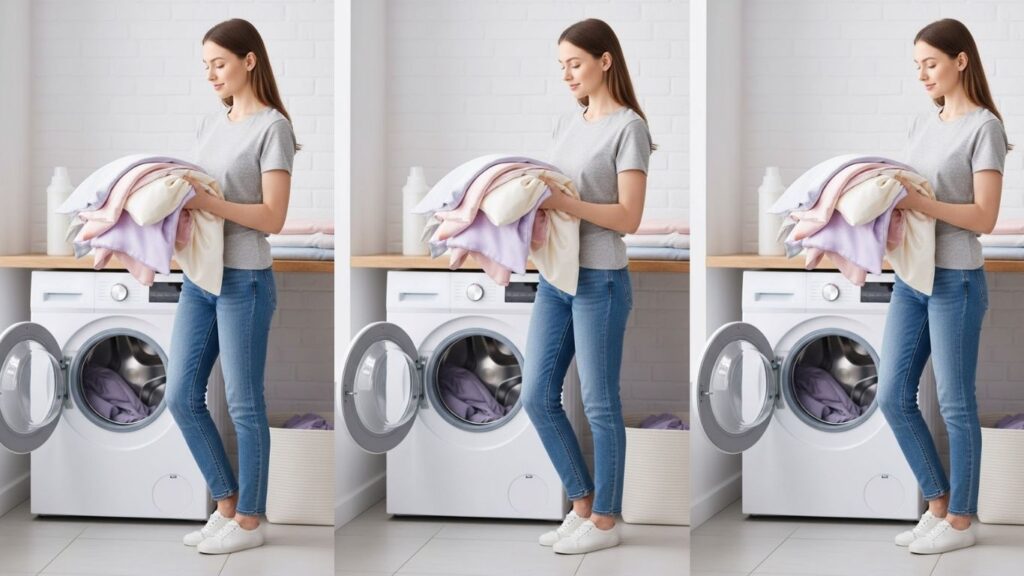
Washing satin is different from cleaning regular bedding. Whether your pillowcase is made of pure silk satin or polyester satin, each type demands its own gentle care. One wrong move—like washing in hot water or using harsh detergent—can cause irreversible damage such as fading, fraying, or stiffness.
This guide will walk you through everything you need to know about how to wash satin pillowcases effectively while maintaining their original beauty and softness.
Why Satin Pillowcases Need Special Care
Satin’s unique weave gives it that sleek, glossy finish. However, it also makes the fabric more delicate compared to ordinary materials.
When washed carelessly, the fine threads can snag, lose luster, or weaken over time. Proper washing ensures that your satin pillowcases:
- Stay soft and smooth
- Retain their luxurious shine
- Last for years without tearing or discoloring
- Continue offering skin and hair benefits
Caring for satin means balancing cleanliness with gentleness. You want to remove dirt, oil, and sweat—but without harsh friction or strong detergents that ruin the delicate fibers.
Understanding Satin: The Fabric Behind the Shine
Before learning how to wash satin pillowcases, it helps to understand the fabric itself.
What Is Satin?
Satin refers to a weave pattern, not a fiber. It’s known for its glossy front and dull back, achieved by floating threads over one another in a specific pattern. The result is a smooth surface that reflects light beautifully.
Types of Satin Pillowcases
1. Silk Satin
Made from natural silk fibers, silk satin is the highest quality version. It’s breathable, temperature-regulating, and hypoallergenic. However, it’s also the most delicate and expensive.
2. Polyester Satin
This version uses synthetic fibers to mimic silk’s appearance. It’s more durable and affordable, making it popular for everyday use. Polyester satin is less prone to shrinkage but can lose sheen with harsh washing.
Key Differences Between Silk Satin and Polyester Satin
| Feature | Silk Satin | Polyester Satin |
|---|---|---|
| Fiber Type | Natural | Synthetic |
| Durability | More delicate | More durable |
| Washing Method | Hand wash or gentle machine cycle | Gentle machine wash safe |
| Drying | Air dry only | Can use low-heat dryer |
| Feel | Softer, more breathable | Slightly less airy |
| Price | Higher | More affordable |
Understanding these differences is crucial for selecting the right washing method.
Preparation Before Washing Satin Pillowcases
Proper preparation helps preserve the integrity of the fabric before it even touches water.
Step 1: Check the Label
Always read the care label. Manufacturers include specific washing instructions suitable for their satin type.
Step 2: Separate by Color
Wash similar colors together to prevent dye bleeding. Light-colored satin can easily absorb color from darker fabrics.
Step 3: Remove Dust and Debris
Shake out the pillowcase to remove loose dirt, dust, and hair before soaking.
Step 4: Turn Inside Out
Flipping the pillowcase inside out reduces friction on the shiny side, preventing dullness and snagging.
Step 5: Use a Mesh Laundry Bag
If machine washing, place satin pillowcases inside a mesh bag to protect them from rough agitation and zipper snags.
How to Wash Satin Pillowcases by Hand
Hand washing is the safest and most recommended method for both silk and polyester satin.
Step 1: Fill a Basin with Cool or Lukewarm Water
Use cold to lukewarm water (around 30°C or 86°F). Avoid hot water—it can cause silk to shrink and dull polyester’s shine.
Step 2: Add a Gentle Detergent
Choose a mild detergent designed for delicate fabrics. Avoid bleach, enzymes, or fabric softeners.
Step 3: Submerge and Swirl Gently
Place your satin pillowcase in the water and gently swirl it. Don’t wring, scrub, or twist the fabric. Lightly massage soapy water through the material to remove oils.
Step 4: Let It Soak
Allow the pillowcase to soak for 3–5 minutes. Over-soaking can weaken silk fibers.
Step 5: Rinse Thoroughly
Drain the soapy water and rinse with cool water until all detergent is removed.
Step 6: Press Out Excess Water
Do not wring! Instead, press the fabric gently between your palms or use a clean towel to absorb moisture.
How to Wash Satin Pillowcases in a Washing Machine
If you prefer machine washing—especially for polyester satin—you can do so safely by following these steps.
Step 1: Use the Gentle or Delicate Cycle
Select the delicate cycle on your washer with cold water. Avoid high-speed spinning to prevent fabric stress.
Step 2: Choose a Mild Detergent
Use a detergent formulated for delicate items. Avoid bleach or strong stain removers.
Step 3: Add Laundry Protection
Put satin pillowcases in a mesh bag and wash them with similar fabrics—like other satin or silk pieces. Avoid rough fabrics such as denim or towels.
Step 4: Avoid Overloading
Give satin room to move freely. Overloading the machine increases friction, which can dull the sheen.
Step 5: Double Rinse Option
If your washer allows it, use a double rinse to remove all soap residues.
Drying Satin Pillowcases
Drying is just as critical as washing. Improper drying can ruin the fabric’s smooth texture.
1. Air Drying
The best method for both silk and polyester satin is air drying.
- Lay the pillowcase flat on a clean towel.
- Roll it gently to absorb excess water.
- Unroll and lay it on another dry towel or hang it in a shaded area.
Avoid direct sunlight—it can fade colors and weaken fibers.
2. Machine Drying (Polyester Only)
If necessary, polyester satin can handle low-heat tumble drying.
- Use the lowest heat setting.
- Remove promptly to avoid wrinkles.
- Never use high heat, as it can melt synthetic fibers.
3. Avoid Wrinkling
Hang immediately after drying or iron gently if necessary (on the lowest heat with a pressing cloth).
Ironing Satin Pillowcases
Ironing satin requires extreme care.
For Silk Satin:
- Always iron on the reverse side.
- Use a low-heat “silk” setting.
- Place a cotton cloth between the iron and fabric.
- Lightly press; never steam directly onto silk.
For Polyester Satin:
- Use a synthetic-safe setting.
- You may use a bit of steam, but keep the iron moving constantly.
Never press too hard—gentle pressure preserves the sheen.
Stain Removal Tips
Even luxurious pillowcases face the occasional stain. Here’s how to handle them safely:
1. Sweat or Oil Stains
- Mix cool water with a small amount of gentle detergent.
- Dab (don’t rub) the stain using a soft cloth.
- Rinse thoroughly afterward.
2. Makeup Stains
- Use a mild baby shampoo or gentle stain remover designed for delicates.
- Test on a small area before applying to the stain.
3. Blood or Protein Stains
- Always use cold water.
- Soak immediately and avoid hot water (it can set the stain).
4. Avoid Bleach
Bleach breaks down satin fibers and strips the fabric of its color and shine.
Maintaining Satin Pillowcases Between Washes
Proper care doesn’t end after washing. Maintain your pillowcases between washes to keep them looking new.
Regular Fluffing
Give your pillowcases a gentle shake in the morning to restore softness.
Spot Clean When Needed
Address small spots immediately using mild soap and cool water.
Use Clean Hair and Skin
Wash your face and hair before bed to reduce oil and product buildup on satin.
Rotate Pillowcases
Alternate between multiple satin pillowcases to prolong their lifespan.
How Often Should You Wash Satin Pillowcases?
Satin pillowcases should be washed once every 7 to 10 days, depending on personal habits.
If you use heavy hair oils, skincare products, or sweat more, consider washing every 3–4 days. Regular cleaning prevents oil buildup and keeps satin fresh.
Storage Tips for Satin Pillowcases
1. Store Clean and Dry
Ensure pillowcases are completely dry before storing to prevent mold and odor.
2. Avoid Plastic Bags
Use breathable cotton bags or drawers to allow airflow.
3. Fold Neatly
Avoid sharp creases that can damage fibers.
4. Keep Away from Sunlight
Prolonged exposure can cause fading and fabric weakening.
Common Mistakes to Avoid
- Using hot water – It shrinks silk and dulls polyester.
- Bleaching stains – Damages fibers and color.
- Overloading the washer – Causes friction and snags.
- Rough drying – Leads to wrinkles and loss of shine.
- Ignoring care labels – Not all satin is the same!
- Direct ironing – Can burn or melt fibers.
Extra Tips for Long-Lasting Shine
- Add one tablespoon of white vinegar to rinse water—it helps remove residue and adds natural shine.
- Avoid fabric softeners; they coat fibers and reduce smoothness.
- Use distilled water when rinsing silk to prevent mineral spots.
- Hand wash silk after every 2–3 uses if it touches your skin directly (especially during humid weather).
Sustainable Cleaning for Satin Lovers
If you want to care for your satin pillowcases while being eco-friendly:
- Use biodegradable, gentle detergents.
- Wash multiple delicates together to save water.
- Air dry naturally instead of using dryers.
- Invest in high-quality satin pillowcases that last longer.
Troubleshooting Satin Problems
Fading or Dullness
Cause: Harsh detergent or sunlight exposure.
Fix: Rinse with cool water and vinegar solution to restore luster.
Wrinkles
Cause: Improper drying or folding.
Fix: Lightly steam or press with a protective cloth.
Stiff Texture
Cause: Soap residue.
Fix: Rewash using less detergent and rinse thoroughly.
Fraying Edges
Cause: Over-agitation or worn seams.
Fix: Trim loose threads and use mesh bags during washing.
Benefits of Keeping Satin Clean
A clean satin pillowcase enhances your sleep experience:
- Improved Skin Health: Clean satin prevents bacteria buildup.
- Smoother Hair: No more tangles or frizz.
- Longer Fabric Life: Regular gentle washing prevents wear.
- Better Hygiene: Fresh bedding equals cleaner sleep.
Clean satin not only feels luxurious but also contributes to better overall well-being.
Frequently Asked Questions
Can I wash satin pillowcases with regular laundry?
No. Satin should be washed separately or with similar delicate fabrics to prevent damage.
Can I dry clean satin pillowcases?
Yes, especially for silk satin. But it’s not necessary for polyester satin if you follow the proper washing steps.
Is it okay to iron satin after washing?
Yes, but only at a low temperature with a pressing cloth in between.
Can I use regular detergent?
Avoid regular detergent—it’s too harsh. Always use a mild, delicate-safe option.
How do I get rid of wrinkles without ironing?
Hang the pillowcase in a steamy bathroom or use a handheld steamer from a distance.
Why does my satin look dull after washing?
Likely due to hard water, detergent residue, or over-drying. A vinegar rinse can restore sheen.
How do I remove a stubborn stain safely?
Blot the area gently with mild detergent and cool water. Never rub aggressively.
Final Words
Learning how to wash satin pillowcases properly ensures they stay soft, glossy, and long-lasting. Whether your pillowcase is silk satin or polyester satin, gentle care is key. Avoid heat, harsh detergents, and friction. Treat your pillowcases like the luxury items they are—because that’s exactly what they represent: comfort, beauty, and self-care.
By following these easy yet effective tips, you’ll preserve the shine, smoothness, and elegance of your satin pillowcases for years to come. Every night’s sleep will feel as luxurious as the first time you laid your head on them.