
Sweat stains are a universal wardrobe problem. Whether you live in a hot climate, work out regularly, or simply deal with long days in fitted clothes, you’ve likely noticed yellowish stains on your white shirts or darker patches on your colored clothing. These stains are caused by a combination of sweat, natural body oils, and reactions with deodorants or antiperspirants. While frustrating, they are not permanent if treated correctly.
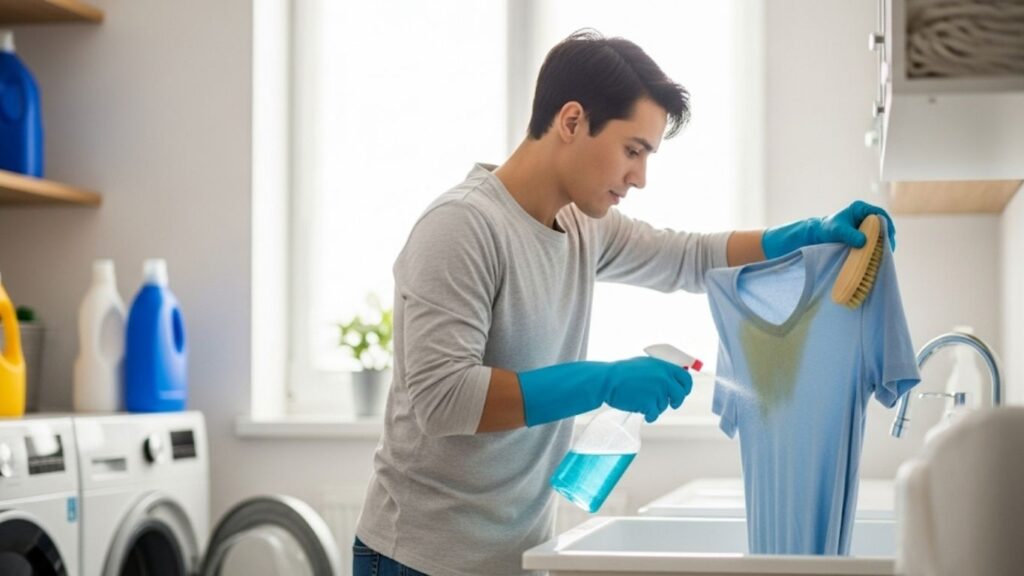
This guide will walk you through everything you need to know about removing sweat stains from clothes. From understanding the science behind the stains, to quick fixes, natural remedies, deep-cleaning solutions, and long-term prevention, you’ll have every tool you need to keep your clothes fresh and stain-free.
Understanding Sweat Stains
What causes sweat stains
Sweat itself is mostly water and salt, but when mixed with:
- Natural oils from your skin
- Proteins from sweat
- Aluminum compounds from deodorants
…it can oxidize and create yellow stains on light fabrics or stiff, darkened patches on dark fabrics.
Why some clothes stain more than others
- Fabric composition: Cotton tends to absorb stains more deeply than synthetic fibers.
- Color: White and light shades make stains more visible.
- Deodorant use: Antiperspirants with aluminum chloride accelerate yellowing.
Types of Sweat Stains
Fresh stains
- Appear damp, darkened, and feel wet.
- Easier to treat immediately.
Set-in stains
- Yellow or stiff marks that remain after washing.
- Require stronger cleaning methods.
- White, chalky residue that builds up on fabrics.
- Caused by deodorant ingredients mixing with sweat.
General Rules for Treating Sweat Stains
Do not use hot water immediately
Hot water can set protein-based stains, making them harder to remove. Always start with cold or lukewarm water.
Treat as soon as possible
The quicker you treat the stain, the easier it is to remove.
Test on an inconspicuous area
Before applying any treatment, test it on a small hidden section of the fabric to ensure no discoloration occurs.
Avoid bleach on white shirts
It may seem logical to bleach yellow stains, but bleach can react with proteins in sweat, worsening the stain.
Household Ingredients That Work on Sweat Stains
Baking soda
A natural deodorizer and gentle abrasive that helps lift stains.
White vinegar
Breaks down alkaline deodorant buildup and neutralizes odors.
Lemon juice
Contains citric acid that lightens stains naturally.
Hydrogen peroxide
Acts as a mild bleaching agent to whiten fabric.
Dish soap
Cuts through oils and sweat residues effectively.
Salt
Helps absorb moisture and scrub out stains.
Aspirin
Contains salicylic acid that breaks down stain-causing compounds.
Step-by-Step Methods for Removing Sweat Stains
Method 1: Baking Soda Paste
- Mix 4 tablespoons of baking soda with a quarter cup of water to form a paste.
- Apply the paste directly onto the stain.
- Gently scrub with a soft brush or old toothbrush.
- Let it sit for 30 minutes to an hour.
- Rinse with cold water, then wash as usual.
Method 2: White Vinegar Soak
- Dilute one part vinegar with two parts water.
- Soak the stained area in the solution for 30 minutes.
- Rinse with cold water.
- Wash the garment with detergent.
Method 3: Lemon Juice and Salt
- Mix equal parts lemon juice and water.
- Apply the mixture to the stain.
- Sprinkle salt on top and rub gently.
- Leave the garment in the sun for natural bleaching.
- Wash as normal afterward.
Method 4: Hydrogen Peroxide Solution
- Mix equal parts hydrogen peroxide and water.
- Dab the solution onto the stain.
- Let it sit for 20–30 minutes.
- Rinse thoroughly and launder.
Note: Avoid on dark fabrics as it may lighten them.
Method 5: Dish Soap and Baking Soda
- Mix one teaspoon of dish soap with two tablespoons of baking soda.
- Rub mixture into the stained fabric.
- Allow to sit for 1 hour.
- Wash in cold water.
Method 6: Aspirin Trick
- Crush 2–3 aspirin tablets.
- Mix powder with half a cup of warm water.
- Apply to the stain and soak for 2–3 hours.
- Wash as usual.
Specialized Techniques for Different Fabrics
Cotton and linen
- Can handle vinegar, lemon juice, and hydrogen peroxide.
- Scrubbing is safe but don’t overdo it to prevent fiber wear.
Silk
- Use only mild solutions like diluted vinegar or gentle detergent.
- Avoid hydrogen peroxide and harsh scrubbing.
Wool
- Spot clean with a baking soda paste or mild dish soap.
- Do not soak as wool can shrink.
Synthetic fabrics (polyester, nylon, spandex)
- Dish soap works well because these fabrics hold onto oils.
- Avoid heat drying until stains are completely gone.
Removing Sweat Odors Along with Stains
Sometimes the stain disappears but the odor lingers. Here’s how to tackle both:
- Add half a cup of white vinegar to the rinse cycle.
- Use baking soda in the wash along with detergent.
- Air-dry clothing outside in sunlight for natural deodorizing.
Stubborn Sweat Stains: Deep Cleaning Solutions
Enzyme-based detergents
These break down proteins in sweat stains. Soak clothes in enzyme detergent for 1–2 hours before washing.
Oxygen bleach (non-chlorine bleach)
Safe for whites and colors, it helps lift stains without damaging fabric.
Soaking overnight
Mix baking soda, vinegar, and water in a large basin. Soak garments overnight for tough stains.
Preventing Sweat Stains
Choose the right deodorant
- Switch to aluminum-free deodorants to avoid yellowing.
- Apply deodorant sparingly and let it dry before dressing.
Wear undershirts
Absorb sweat before it reaches your outer clothes.
Wash promptly
The longer sweat sits, the harder it is to remove. Wash after workouts or hot days instead of letting clothes sit.
Rotate your wardrobe
Give fabrics time to air out instead of wearing the same items repeatedly.
Sweat Stain Removal Mistakes to Avoid
- Using hot water too soon
- Applying bleach on sweat stains
- Ironing over stained fabric (heat sets the stain)
- Ignoring deodorant buildup in shirt armpits
DIY Sweat Stain Removal Recipes
All-purpose stain remover spray
- 1 part hydrogen peroxide
- 1 part dish soap
- 2 parts water
Mix in a spray bottle, spritz on stains before washing.
Natural whitening soak
- 1 gallon warm water
- 1 cup baking soda
- Juice of 2 lemons
Soak whites for 1–2 hours before laundering.
Caring for Delicate Clothes After Sweat Stain Treatment
- Use mesh laundry bags for fragile garments.
- Always air dry silk, wool, or linen after stain treatments.
- Store clothes in cool, dry areas to prevent new odors.
Long-Term Sweat Stain Management
Adjust your wardrobe fabrics
Lightweight cotton, bamboo, and moisture-wicking blends reduce visible stains.
Upgrade laundry routine
- Wash sweaty clothes immediately.
- Use less detergent; excess can trap odors.
- Occasionally run washing machine cleaning cycles to prevent buildup.
Lifestyle tips
- Stay hydrated: diluted sweat stains less.
- Adjust diet: spicy foods and caffeine can cause stronger-smelling sweat.
Frequently Asked Questions
Can I use bleach to remove yellow sweat stains?
No. Bleach reacts with proteins in sweat, making stains darker. Use hydrogen peroxide or oxygen bleach instead.
What is the fastest way to remove fresh sweat stains?
Rinse with cold water, apply a baking soda paste, let sit for 15–30 minutes, and wash.
Do sweat stains permanently damage clothes?
If untreated for a long time, stains may weaken fibers. Regular cleaning and prevention help extend fabric life.
Are natural remedies as effective as store-bought stain removers?
Yes, for most stains. Baking soda, vinegar, and hydrogen peroxide are highly effective. However, for very stubborn stains, enzyme detergents may be better.
Can dry cleaning remove sweat stains?
Professional dry cleaning can treat delicate fabrics, but informing the cleaner about sweat stains ensures better results.
Final Words
Sweat stains don’t have to ruin your favorite clothes. By understanding how they form, treating them with the right household or specialized solutions, and preventing future buildup, you can keep your wardrobe looking fresh and lasting longer.
The best strategy is to act quickly, use gentle yet effective stain removal techniques, and maintain consistent laundry habits. With these expert tips, you’ll be able to confidently wear your favorite shirts, dresses, and workout clothes without worrying about stubborn sweat stains.