
Nursing is one of the most physically demanding professions in the world. Long shifts, fast-paced environments, and hours of standing and walking put a tremendous strain on the body—especially the feet. That’s why choosing the right shoes is critical for comfort, performance, and injury prevention.
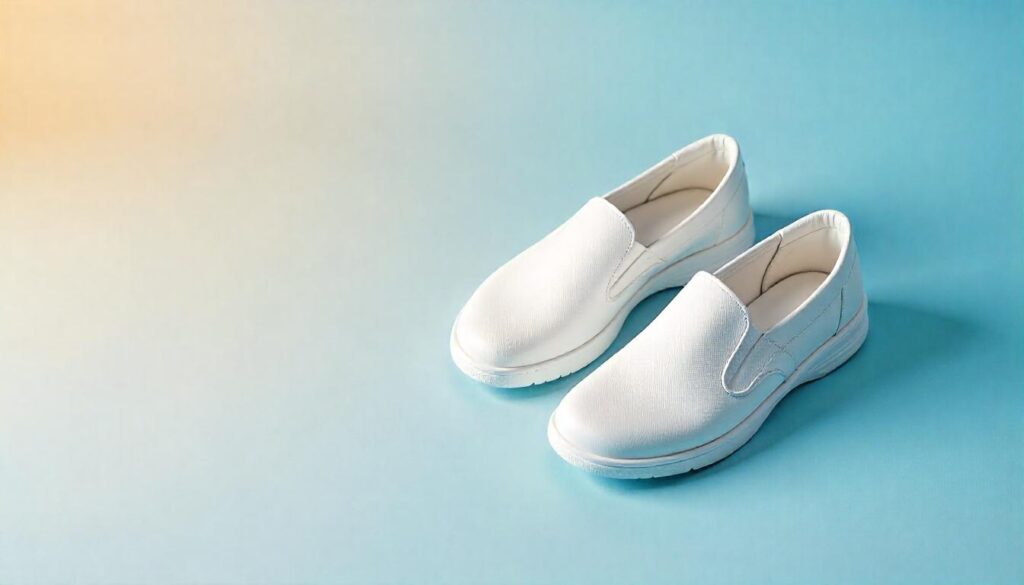
With so many options available, selecting the best nursing shoes can be overwhelming. This comprehensive guide explores all the different types of shoes for nurses, their features, pros and cons, and how to choose what’s best for your needs and work environment.
Whether you’re a student nurse, a seasoned RN, or a travel nurse constantly on the move, this article is your ultimate resource.
Why Footwear Matters for Nurses
The Demands of a Nursing Shift
Nurses walk an average of 4 to 5 miles per 12-hour shift. Add constant standing, bending, lifting, and the need to stay agile during emergencies, and it becomes clear why the wrong footwear can lead to:
- Foot and leg pain
- Back pain
- Plantar fasciitis
- Bunions and calluses
- Poor posture
- Fatigue and burnout
The right shoes improve posture, reduce foot fatigue, and protect against occupational injuries.
Health and Safety Regulations
Many healthcare facilities require nurses to wear closed-toe, slip-resistant shoes. Compliance with these safety standards ensures not only your own well-being but also patient safety.
Key Features to Look For in Nursing Shoes
Comfort
Shoes should have adequate cushioning, a comfortable footbed, and enough room in the toe box. Memory foam or EVA insoles are popular for shock absorption.
Support
Arch support is essential, especially for nurses with flat feet or high arches. Look for shoes that provide stability and reduce pressure on the midfoot.
Slip Resistance
Slip-resistant soles are a must in environments where floors can be wet, such as hospitals, ERs, and surgical suites.
Breathability
Nurses are often on their feet for 8 to 12 hours. Shoes with breathable materials like mesh or perforated leather help reduce sweating and odor.
Durability
Durability is key when you’re walking miles each day. Shoes made from high-quality materials will last longer and provide better support over time.
Easy to Clean
In the medical field, spills are inevitable. Shoes that can be wiped clean or even machine-washed are highly beneficial.
The Main Types of Shoes for Nurses
Athletic Sneakers (Running/Walking Shoes)
Athletic sneakers are one of the most popular choices for nurses. Designed for walking or running, these shoes offer superior cushioning, arch support, and breathability.
Best For:
- Nurses in fast-paced environments
- Long shifts
- Nurses with existing foot pain
Popular Brands:
- Nike
- Brooks
- Asics
- New Balance
- HOKA
Pros:
- Extremely comfortable and supportive
- Breathable and lightweight
- Wide variety of fits and designs
Cons:
- May not meet some uniform dress codes
- Not always easy to clean
- Can wear out faster with daily use
Clogs
Clogs are a nursing footwear staple, especially popular among OR and ICU nurses. They typically feature a hard shell, slip-on design, and ergonomic footbed.
Best For:
- Nurses who prefer easy on/off shoes
- Standing for long periods
- Clinical and hospital settings
Popular Brands:
- Dansko
- Sanita
- Crocs (specialized healthcare lines)
- Klogs
Pros:
- Excellent arch support
- Durable and easy to clean
- Slip-resistant
Cons:
- Heavier than sneakers
- Less flexible
- Some users report heel slippage
Slip-On Shoes
Slip-on shoes combine convenience with functionality. Many are made from leather or synthetic materials that resist stains and fluids.
Best For:
- Nurses in clinical settings
- Those needing quick footwear changes
- Lightweight tasks
Popular Brands:
- Skechers Work
- Nurse Mates
- Anywear
Pros:
- Easy to wear and remove
- Often water-resistant or waterproof
- Stylish yet practical
Cons:
- May lack breathability
- Less suited for high-activity environments
- Support varies by brand
Nursing-Specific Footwear
Some brands produce shoes specifically designed for healthcare professionals, combining the best of sneakers, clogs, and slip-ons.
Best For:
- Nurses who need a balance of comfort and professionalism
- Anyone with special foot health needs
- Those required to wear all-white or all-black shoes
Popular Brands:
- Nurse Mates
- Clove
- Gales
- Vessi
Pros:
- Made with nurses in mind
- Usually meet hospital dress codes
- Often waterproof and easy to sanitize
Cons:
- Can be expensive
- Limited styles available
Orthopedic Shoes
Orthopedic shoes are medically designed to support foot alignment, reduce pressure, and prevent or treat conditions like plantar fasciitis or bunions.
Best For:
- Nurses with chronic foot conditions
- Senior healthcare professionals
- Long-term wear
Popular Brands:
- Orthofeet
- Vionic
- Aetrex
- Dr. Comfort
Pros:
- Maximum support and comfort
- Great for problem feet
- Often come in wide sizes
Cons:
- Bulkier designs
- Less fashionable
- Higher price point
Waterproof Shoes
For nurses in wet environments or those prone to spills, waterproof shoes provide protection and are easy to clean.
Best For:
- ER, OR, and ICU nurses
- Those working in labs or outdoor settings
Popular Brands:
- Gales
- Vessi
- Clove
- Crocs Workwear
Pros:
- 100% fluid-proof
- Wipeable or washable
- Reduce contamination risks
Cons:
- May lack breathability
- Limited arch support in some models
Minimalist or Barefoot Shoes
Although not mainstream in healthcare, minimalist shoes have found a niche audience among nurses seeking natural foot movement and muscle strengthening.
Best For:
- Nurses accustomed to barefoot-style walking
- Those seeking posture and balance improvements
Popular Brands:
- Xero Shoes
- Vivobarefoot
- Merrell
Pros:
- Lightweight and flexible
- Promotes natural gait
- Strengthens foot muscles
Cons:
- Minimal cushioning
- Not suitable for everyone
- May not meet dress codes
Best Shoes for Nurses by Common Needs
Best for Flat Feet
- Dansko XP 2.0
- Brooks Addiction Walker
- Orthofeet Coral
These offer excellent arch support and cushioning to reduce strain on the plantar fascia and tendons.
Best for Plantar Fasciitis
- HOKA Bondi SR
- Vionic Walker Classic
- New Balance 990v5
Look for shoes with deep heel cups, firm arch support, and shock-absorbing soles.
Best for Wide Feet
- New Balance 928v3
- Skechers Go Walk Arch Fit
- Klogs Naples
Available in wide sizes with roomy toe boxes and accommodating footbeds.
Best Lightweight Option
- Nike Air Zoom Pulse
- Clove Classic
- Skechers Max Cushioning
These are ideal for nurses who prioritize comfort and flexibility in a light frame.
Best Budget Nursing Shoes
- Crocs On-the-Clock Work Slip-On
- Anywear Zone
- Skechers Work Sure Track
Affordable and functional without sacrificing comfort or safety.
How to Choose the Right Nursing Shoe for You
Know Your Foot Type
Do you have high arches, flat feet, or neutral alignment? Understanding your foot type helps you select the right level of arch support and cushioning.
Measure Your Feet
Always check your foot size before buying new shoes. Feet can change over time, especially if you’re on them all day.
Try Before You Buy (If Possible)
Whenever possible, try shoes on after a long shift when your feet are swollen. This gives you a realistic idea of fit and comfort.
Read Reviews and Compare Brands
Nurse forums, Reddit threads, and review sites can offer insight from other professionals who’ve tested the shoes in real clinical settings.
Consider Dress Code and Style
Make sure the shoe color, design, and materials comply with your workplace’s dress code. White, black, or navy are common requirements in hospitals.
Final Thoughts
Choosing the right shoes as a nurse isn’t just about style—it’s about protecting your health, increasing your energy levels, and making it through every shift with less fatigue and fewer injuries. Whether you prefer the sporty feel of running shoes, the reliability of clogs, or the practicality of slip-ons, there’s a perfect pair for every nursing need.
Investing in quality footwear is one of the smartest decisions a nurse can make for long-term wellness and performance. Use this guide to evaluate your priorities, understand your options, and find the best nursing shoes for your specific role and foot type.