
Packing for a hiking trip requires careful planning to ensure you’re comfortable, safe, and prepared for changing outdoor conditions. Knowing what to pack for a hiking trip can make the difference between an enjoyable adventure and a stressful experience. Whether you’re heading out for a day hike, a weekend trek, or a multi-day backpacking adventure, bringing the right gear helps you stay prepared for the trail ahead.
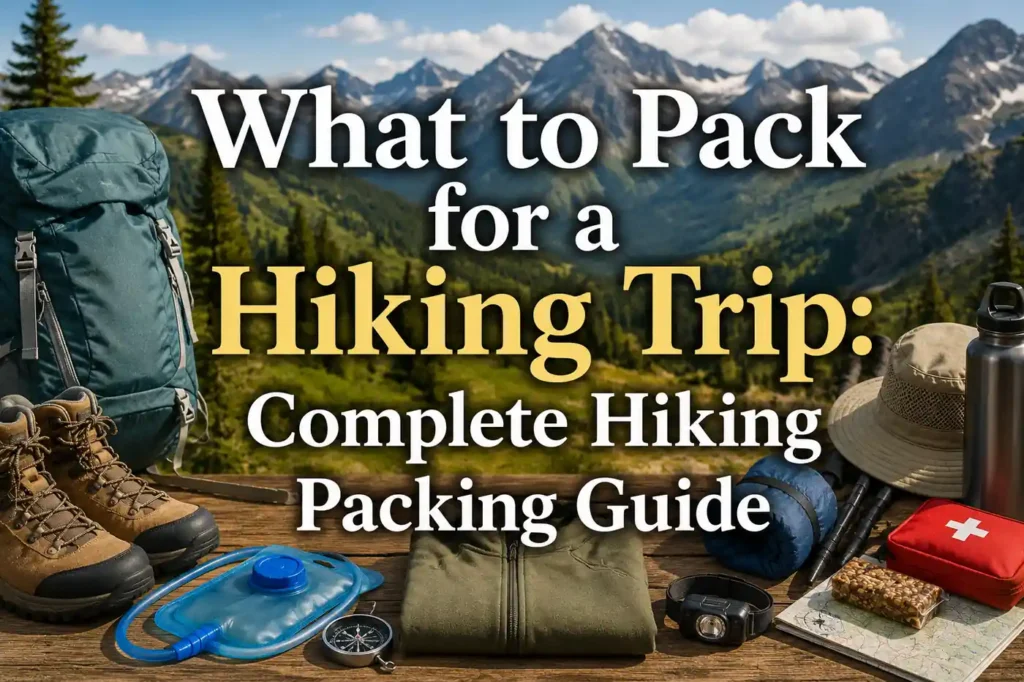
Every hiking trip is different, but most hikers need a combination of proper clothing, safety equipment, food, water, navigation tools, and emergency supplies. This guide covers everything you need to create a reliable hiking packing list for your next outdoor adventure.
Essential Hiking Gear to Buy Before Your Trip
Before hitting the trail, consider investing in a few key items that can improve comfort and safety.
Must-Have Hiking Equipment
Bring these hiking essentials:
- Hiking backpack
- Reusable water bottles
- Hydration reservoir
- Trekking poles
- Portable power bank
- First-aid kit
- Headlamp
- Emergency whistle
These items form the foundation of a well-prepared hiking kit.
Trail Comfort Essentials
Helpful items include:
- Cooling towel
- Sunglasses
- Waterproof phone pouch
- Trail map
- Sitting pad
- Dry bags
These accessories can make long days on the trail more enjoyable.
Understanding Hiking Conditions
Weather and trail conditions can change quickly depending on location and season.
Factors to Consider
Prepare for:
- Temperature changes
- Rain and wind
- Strong sun exposure
- Uneven terrain
- Limited cell service
- Unexpected delays
Planning for changing conditions is one of the most important parts of hiking preparation.
What to Pack for a Hiking Trip
Your clothing should prioritize comfort, protection, and versatility.
Clothing Essentials
| Clothing Item | Recommended Amount |
|---|---|
| Moisture-wicking shirts | 2–4 |
| Hiking pants or shorts | 1–3 |
| Base layers | 1–2 |
| Hiking socks | Several pairs |
| Underwear | 1 pair per day |
| Lightweight fleece | 1 |
| Waterproof jacket | 1 |
| Sun hat | 1 |
| Gloves (cool weather) | 1 pair |
| Sleepwear (overnight trips) | 1 set |
Clothing Packing Tips
- Choose moisture-wicking fabrics.
- Avoid heavy cotton whenever possible.
- Dress in layers for changing weather.
- Pack extra socks.
- Prioritize comfort over fashion.
Proper clothing helps regulate body temperature and prevent discomfort.
What Shoes to Pack for a Hiking Trip
Footwear is one of the most important decisions for any hiking adventure.
Recommended Footwear
| Shoe Type | Best For |
|---|---|
| Hiking boots | Rugged terrain |
| Trail running shoes | Lightweight hiking |
| Hiking sandals | Water crossings |
| Camp shoes | Overnight trips |
Footwear Tips
- Wear broken-in footwear.
- Bring moisture-wicking socks.
- Pack blister prevention supplies.
- Avoid brand-new hiking boots.
Comfortable feet can make a huge difference on the trail.
Hiking Backpack Essentials
Your backpack should contain the items you’ll need throughout the day.
Everyday Hiking Essentials
Pack:
- Water bottles
- Snacks
- Trail map
- Sunglasses
- Sunscreen
- Portable charger
- First-aid kit
These essentials belong in every hiking backpack.
Safety and Emergency Gear
Bring:
- Headlamp
- Emergency whistle
- Multi-tool
- Emergency blanket
- Waterproof matches
- Backup battery
Even short hikes can benefit from emergency preparedness.
Food and Hydration Essentials
Food and water are critical for maintaining energy on the trail.
Hydration Checklist
Bring:
- Water bottles
- Hydration bladder
- Electrolyte packets
- Water filter (for longer trips)
Drink water regularly throughout your hike.
Trail Food Ideas
Pack:
- Energy bars
- Trail mix
- Nuts
- Dried fruit
- Jerky
- Peanut butter packets
Choose foods that are easy to carry and provide lasting energy.
Even well-marked trails can sometimes be confusing.
Bring:
- Paper trail map
- Compass
- GPS device
- Offline maps on your phone
Always carry backup navigation tools.
Sun and Weather Protection
Outdoor conditions can change rapidly.
Sun Protection Essentials
Pack:
- Sunscreen SPF 30+
- Sunglasses
- Wide-brim hat
- Lip balm with SPF
- Sun-protective clothing
Sun exposure is often stronger than hikers expect.
Rain Protection Essentials
Bring:
- Waterproof jacket
- Rain cover for backpack
- Waterproof bags
- Quick-dry clothing
A little rain preparation can prevent a lot of discomfort.
First-Aid and Emergency Supplies
Every hiking trip should include basic medical supplies.
First-Aid Kit Checklist
Pack:
- Bandages
- Blister pads
- Antiseptic wipes
- Pain relievers
- Medical tape
- Personal medications
A small first-aid kit can be invaluable on the trail.
Emergency Supplies
Bring:
- Emergency blanket
- Whistle
- Flashlight or headlamp
- Fire starter
- Extra food
These items can help if your hike takes longer than expected.
Toiletries and Personal Care Items
Keep personal care items simple and lightweight.
| Toiletry | Purpose |
|---|---|
| Toothbrush | Hygiene |
| Toothpaste | Oral care |
| Sunscreen | UV protection |
| Lip balm | Sun protection |
| Hand sanitizer | Cleanliness |
| Wet wipes | Quick cleaning |
| Medications | Health needs |
Personal Care Tips
- Reapply sunscreen regularly.
- Carry hand sanitizer.
- Protect exposed skin.
- Stay hydrated throughout the hike.
Simple habits help improve comfort on the trail.
Electronics and Travel Tech
Technology can support navigation and safety.
Essential Electronics
Bring:
- Phone
- Phone charger
- Portable power bank
- GPS device
- Headlamp
- Camera
Tech Tips
- Download offline maps.
- Charge devices before hiking.
- Carry a backup battery.
- Keep electronics protected from water.
Do not rely solely on cell service for navigation.
Important Documents
Keep important information accessible.
Document Checklist
Bring:
- Identification
- Park permits (if required)
- Reservation confirmations
- Emergency contact information
- Medical information
Store digital copies as a backup.
Packing Tips for Different Hiking Trips
Different adventures require different gear.
Day Hikes
Pack:
- Water
- Snacks
- Sunscreen
- First-aid kit
- Trail map
Overnight Hikes
Bring:
- Sleeping bag
- Tent
- Extra clothing
- Camp stove
- Additional food
Mountain Hikes
Pack:
- Warm layers
- Gloves
- Waterproof jacket
- Extra water
Planning around your hike type helps avoid overpacking.
Printable Hiking Trip Packing List ✅🥾
Clothing Essentials
| Item | Pack |
|---|---|
| Hiking shirts | ☐ |
| Hiking pants/shorts | ☐ |
| Hiking socks | ☐ |
| Base layers | ☐ |
| Fleece jacket | ☐ |
| Rain jacket | ☐ |
| Hat | ☐ |
| Underwear | ☐ |
Footwear
| Item | Pack |
|---|---|
| Hiking boots | ☐ |
| Trail shoes | ☐ |
| Hiking sandals | ☐ |
| Camp shoes | ☐ |
Hiking Gear
| Item | Pack |
|---|---|
| Backpack | ☐ |
| Water bottles | ☐ |
| Hydration pack | ☐ |
| Trekking poles | ☐ |
| First-aid kit | ☐ |
| Snacks | ☐ |
Safety Items
| Item | Pack |
|---|---|
| Headlamp | ☐ |
| Emergency whistle | ☐ |
| Compass | ☐ |
| Map | ☐ |
| Emergency blanket | ☐ |
Electronics
| Item | Pack |
|---|---|
| Phone | ☐ |
| Charger | ☐ |
| Power bank | ☐ |
| GPS device | ☐ |
| Camera | ☐ |
Documents
| Item | Pack |
|---|---|
| ID | ☐ |
| Permits | ☐ |
| Reservations | ☐ |
| Emergency contacts | ☐ |
How to Pack Light for a Hiking Trip
Packing efficiently helps reduce fatigue and improve mobility.
Smart Packing Tips
- Choose lightweight gear.
- Pack multi-purpose clothing.
- Limit unnecessary electronics.
- Carry only the water you need between refill points.
- Use compression bags when appropriate.
- Review every item before packing.
A lighter backpack makes hiking more enjoyable.
Common Packing Mistakes to Avoid
Avoid these common hiking mistakes.
Mistakes to Watch For
- Bringing too little water
- Forgetting rain protection
- Wearing new boots
- Packing heavy cotton clothing
- Leaving behind navigation tools
- Forgetting sunscreen
- Carrying unnecessary gear
Preparation helps reduce risk and improve comfort.
Helpful Tips for Hiking Trips
A little planning goes a long way.
Smart Hiking Advice
- Check weather forecasts before leaving.
- Start early when possible.
- Tell someone your hiking plans.
- Carry extra food and water.
- Stay on marked trails.
- Pace yourself throughout the day.
- Respect wildlife and trail regulations.
These simple habits can help make your hike safer and more enjoyable.
FAQs
What should I pack for a hiking trip?
Pack water, food, navigation tools, sun protection, weather-appropriate clothing, a first-aid kit, and emergency supplies.
How much water should I bring on a hike?
The amount depends on trail length, weather, and difficulty, but staying hydrated should always be a priority.
Do I need hiking boots?
Not always. Many hikers use trail-running shoes, but supportive hiking footwear is recommended for rough terrain.
What clothes are best for hiking?
Moisture-wicking and quick-drying clothing works best. Avoid heavy cotton when possible.
Should I carry a first-aid kit?
Yes. Even a basic first-aid kit is an important part of hiking safety.
What food should I bring on a hike?
Choose lightweight, energy-rich foods such as trail mix, energy bars, nuts, dried fruit, and jerky.
What’s the biggest packing mistake hikers make?
One of the most common mistakes is not carrying enough water and weather protection.
Final Words
Knowing what to pack for a hiking trip helps you prepare for changing weather, challenging trails, and unexpected situations. By packing proper clothing, reliable hiking gear, plenty of water, nutritious snacks, and essential safety supplies, you’ll be ready to enjoy your adventure with confidence.
Before heading out, use the printable packing checklist to make sure nothing important is forgotten. With thoughtful preparation and efficient packing, you can spend less time worrying about gear and more time enjoying the beauty, challenge, and rewards of the trail.