
Microfiber couches are popular for their softness, durability, and modern appearance, but they easily collect dust, crumbs, pet hair, and stains. Regular cleaning keeps them looking new, extends their lifespan, and maintains a hygienic living space.
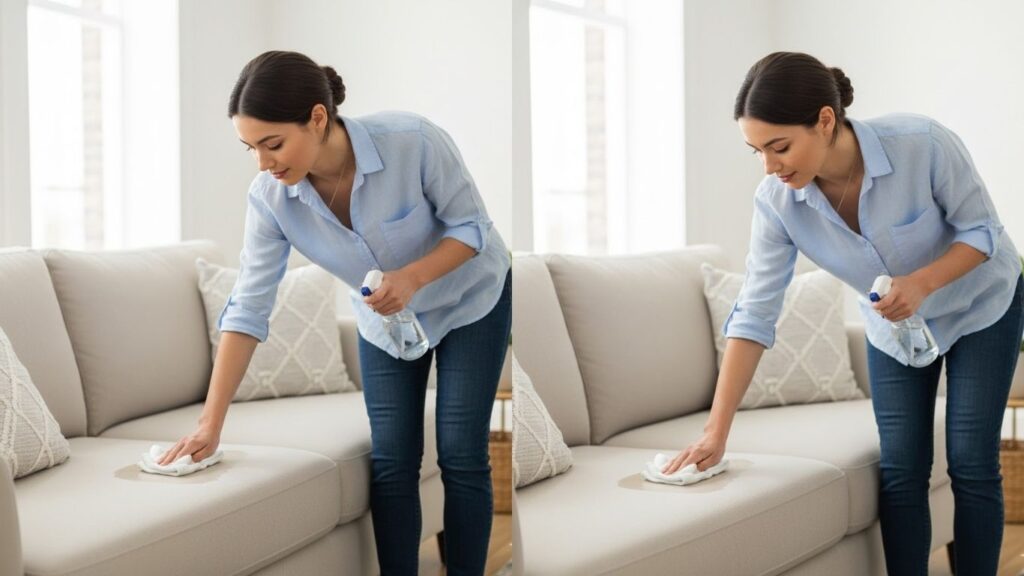
With the right tools, step-by-step techniques, and preventive habits, microfiber couches can stay fresh, spotless, and comfortable for years. Learning proper cleaning methods prevents damage and keeps the fabric soft and vibrant.
Helpful Items for Cleaning Microfiber Couch
- Soft Bristle Brush
- Microfiber Cloths
- Mild Dish Soap
- White Vinegar
- Rubbing Alcohol
Understanding Microfiber Couch Dirt and Stains
Microfiber is a synthetic fabric made of tightly woven fibers, which makes it durable but also prone to attracting dirt, grease, and spills. Its soft texture holds onto pet hair, dust, and oils, and stains can set quickly if not treated promptly.
Common problems include:
- Food and drink spills
- Pet hair and dander
- Dust and debris accumulation
- Oil or grease stains
Choosing the right cleaning method based on stain type and microfiber construction ensures the couch stays clean without damaging the fibers.
How to Clean Microfiber Couch
Microfiber cleaning requires a combination of gentle scrubbing, spot cleaning, and fabric-safe solutions. Here are seven detailed ways to clean a microfiber couch effectively.
1. Vacuuming for Dust and Debris
Routine vacuuming removes surface dust, crumbs, and pet hair.
Step by Step
- Remove Cushions
Take off loose cushions for thorough cleaning. - Use Vacuum with Upholstery Attachment
Set to low suction to prevent fiber damage. - Vacuum the Entire Couch
Focus on seams, corners, and crevices. - Remove Pet Hair
Use a lint roller or sticky tape for stubborn hair. - Check for Hidden Debris
Look under cushions and along edges. - Repeat Weekly
Keeps the couch free of accumulated dust. - Reassemble Cushions
Place cushions back once cleaned.
Vacuuming regularly reduces the need for deep cleaning and maintains freshness.
2. Spot Cleaning Stains with Soap and Water
Water-safe microfiber can be cleaned with mild soap and water solution.
Step by Step
- Test on Hidden Area
Ensure solution does not discolor the fabric. - Mix Soap Solution
Add a few drops of mild dish soap to a bowl of warm water. - Dampen Microfiber Cloth
Lightly wet, avoid soaking the fabric. - Blot Stain Gently
Work from the outside in to prevent spreading. - Use Soft Brush if Needed
Loosen stubborn spots with gentle circular motions. - Rinse Cloth and Wipe Area
Remove soap residue. - Allow to Air Dry
Keep the area ventilated for faster drying.
Spot cleaning prevents stains from setting into the fibers.
3. Using Rubbing Alcohol for Grease or Ink Stains
Rubbing alcohol evaporates quickly and is safe for most microfiber fabrics.
Step by Step
- Test on Hidden Area
Check for colorfastness. - Pour Alcohol into Spray Bottle
Lightly mist the stained area. - Blot with Clean Cloth
Press gently to lift the stain. - Avoid Rubbing Aggressively
Prevents fabric damage. - Brush Fibers
Restore texture using a soft bristle brush. - Repeat if Needed
Stubborn stains may require several applications. - Allow to Air Dry
Alcohol evaporates quickly, leaving no residue.
This method works well for ink, oil, and other greasy stains.
4. Vinegar Solution for Odors and Stains
Vinegar neutralizes odors and removes light stains effectively.
Step by Step
- Mix Solution
Combine equal parts white vinegar and water in a spray bottle. - Test on Hidden Area
Check for discoloration or fabric reaction. - Spray Lightly
Mist affected areas; do not saturate. - Blot with Microfiber Cloth
Press gently to lift dirt and odor. - Brush Fibers
Use a soft brush to restore texture. - Repeat if Necessary
Apply again for stubborn odors or stains. - Allow to Dry Completely
Ensure ventilation for quick drying.
Vinegar is safe, natural, and effective for general cleaning and deodorizing.
5. Steam Cleaning for Deep Fabric Refresh
Steam cleaning lifts dirt and kills bacteria without harsh chemicals.
Step by Step
- Read Couch Care Instructions
Ensure microfiber is safe for steam cleaning. - Vacuum Couch Thoroughly
Remove dust and debris before steaming. - Fill Steam Cleaner Tank
Use clean water only. - Test Small Area First
Check for water spots or fabric reaction. - Steam Entire Couch
Move slowly and evenly across surfaces. - Brush Fibers After Steaming
Restore soft texture with a bristle brush. - Allow Couch to Dry
Ensure proper ventilation.
Steam cleaning is effective for deep dirt, allergens, and bacteria.
6. Baking Soda Treatment for Odors
Baking soda absorbs odors and refreshes the fabric naturally.
Step by Step
- Sprinkle Baking Soda
Cover entire couch lightly. - Let Sit 15–30 Minutes
Baking soda absorbs odors and moisture. - Vacuum Thoroughly
Remove all powder. - Repeat for Strong Odors
Apply additional treatments if necessary. - Brush Fibers
Restore smooth texture with soft bristle brush. - Ventilate Area
Open windows to remove lingering odor. - Regular Use Prevents Build-Up
Incorporate into routine cleaning.
Baking soda is natural, safe, and effective for odor control.
7. Preventive Care and Routine Maintenance
Maintaining microfiber fabric reduces the need for heavy cleaning.
Step by Step
- Vacuum Weekly
Keep dust and debris under control. - Blot Spills Immediately
Prevent stains from setting. - Use Couch Covers if Possible
Protect fabric from dirt and pets. - Avoid Harsh Chemicals
Prevent fiber damage. - Brush Fibers Regularly
Maintain soft texture and appearance. - Rotate Cushions
Even out wear and prevent uneven fading. - Keep Pets Off Couch if Possible
Reduces hair, dirt, and odor accumulation.
Preventive maintenance keeps microfiber couches soft, fresh, and stain-free.
Extra Tips for Microfiber Couch Care
- Avoid soaking fabric; excess water may leave spots.
- Blot, don’t rub, to prevent fabric distortion.
- Use only fabric-safe cleaners or natural solutions.
- Keep couch out of direct sunlight to prevent fading.
- Remove crumbs and debris promptly to avoid embedded dirt.
- Test any solution on hidden area first.
- Maintain routine cleaning for long-lasting freshness.
Common Mistakes to Avoid
- Using harsh chemicals like bleach or ammonia.
- Over-wetting the fabric.
- Rubbing stains aggressively.
- Ignoring hidden areas like seams and crevices.
- Using stiff brushes that damage fibers.
- Letting stains sit for long periods.
- Not allowing couch to dry completely after cleaning.
FAQ
Can microfiber couches be cleaned with water?
Yes, but use minimal water and test for colorfastness first.
How often should I clean my microfiber couch?
Vacuum weekly; deep clean monthly or as needed for stains.
Can vinegar damage microfiber fabric?
No, when diluted properly, vinegar is safe for microfiber.
How do I remove pet hair effectively?
Use a lint roller, vacuum attachment, or rubber glove.
Can steam cleaning damage microfiber?
If used according to manufacturer instructions, steam cleaning is safe.
How do I prevent future stains?
Blot spills immediately, use covers, and maintain routine cleaning.
Final Words
A clean microfiber couch looks fresh, feels soft, and lasts longer. Proper care removes stains, odors, and dirt while maintaining fabric quality.
By following these seven cleaning methods, preventive care habits, and maintenance tips, your microfiber couch will stay spotless, comfortable, and inviting for years of use.