
Changing your hair color at home is easier than it seems. With the right techniques and products, you can achieve professional-looking results without visiting a salon. Proper preparation, careful application, and good aftercare are key to maintaining healthy, vibrant hair.
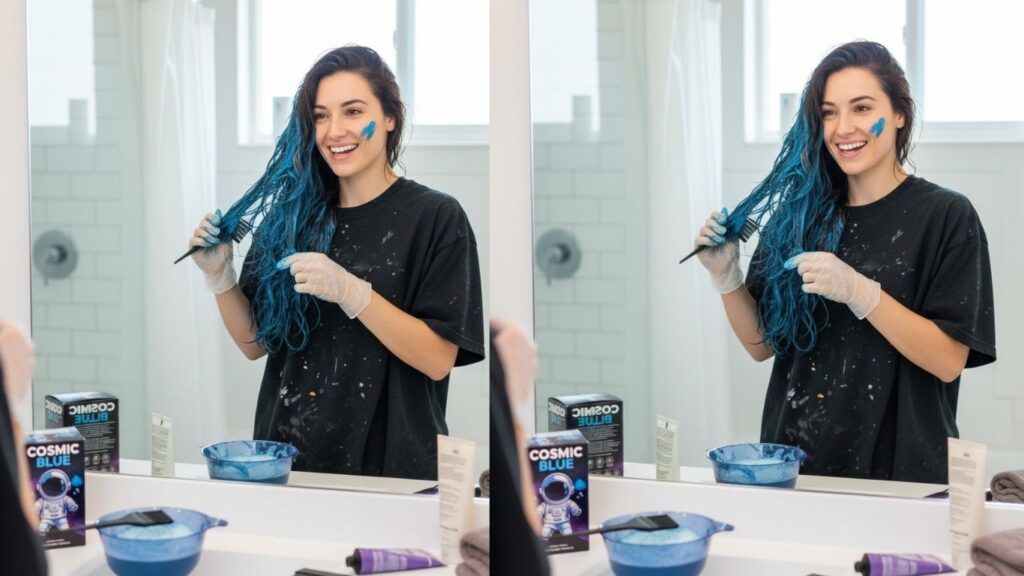
Whether you’re trying a subtle shade or a bold transformation, this guide will walk you through every step. From choosing the right color to post-dye care, you’ll learn how to dye hair at home safely and effectively.
Items You May Need Before Starting
- Hair dye kit (including color cream and developer)
- Gloves
- Mixing bowl and brush
- Old towel or cape
- Hair clips
How to Dye Hair at Home
Dyeing your hair at home can feel intimidating, but with preparation and the right steps, it is straightforward. The key is understanding your hair type, the color you want, and how to apply it evenly. Following this guide ensures your hair remains healthy while you achieve your desired color.
1. Choosing the Right Hair Color
Understanding Your Natural Hair Color
Your natural hair color influences how the dye will appear. Light hair can show brighter shades, while dark hair may need pre-lightening to achieve vivid tones.
Matching Color to Your Skin Tone
Warm skin tones look best with caramel, gold, or reddish shades. Cooler skin tones suit ash, platinum, or chocolate brown. Choosing a shade that complements your complexion ensures a natural and flattering look.
Types of Hair Dye
- Permanent: Long-lasting color with root touch-ups required.
- Semi-permanent: Gradually fades and is gentler on hair.
- Temporary: Washes out quickly, ideal for experimenting.
2. Preparing Your Hair
Clean But Not Freshly Washed
Hair should be clean but not stripped of natural oils. Washing one day prior is ideal for color absorption and scalp protection.
Deep Conditioning
Treat your hair with a deep conditioner a few days before dyeing. Healthy hair holds color better and prevents excessive damage.
Protect Skin and Clothes
Apply petroleum jelly along the hairline and ears. Use an old towel or cape to prevent staining.
3. Mixing Hair Dye
Using a Non-Metallic Bowl
Mix hair dye in a plastic or glass bowl to avoid chemical reactions.
Follow Instructions Carefully
Use the recommended ratio of color cream and developer. Inconsistent mixing can cause uneven results.
Stir Thoroughly
Ensure the mixture is smooth and uniform to achieve consistent color.
4. Sectioning Your Hair
Divide Hair into Four Sections
Use hair clips to separate your hair into quadrants. This ensures even application and better coverage.
Start from the Back
Apply dye to the back first, as it takes longer to process due to scalp heat.
5. Applying Hair Dye
Using a Brush
Dip the brush into the dye and apply evenly from roots to tips.
Using Gloved Hands
For shorter hair, gloved hands can help massage the dye in for full penetration.
Comb Through for Coverage
Ensure every strand is coated to avoid patchiness.
6. Processing Time
Follow Package Instructions
Each dye has a specified processing time. Do not exceed it to prevent hair damage or scalp irritation.
Monitor Color Development
Check your hair periodically to achieve the desired intensity without over-processing.
7. Rinsing and Aftercare
Rinse Thoroughly
Use lukewarm water until water runs clear. Avoid hot water as it can strip color and moisture.
Apply Conditioner
Use the conditioner included in your dye kit to seal the color and enhance shine.
Dry Gently
Towel-dry your hair and let it air dry. Avoid heat styling immediately after dyeing.
7 Different Ways to Dye Hair at Home
1. Full Hair Color
Apply the color from roots to tips for a complete transformation. Ideal for those wanting an overall new look.
2. Root Touch-Up
Focus only on roots to cover regrowth or grey hair. Quick and easy without affecting overall length.
3. Highlights
Use foils or a highlighting cap to lighten specific strands. Adds dimension and brightness.
4. Ombre
Blend dark roots into lighter ends. Requires careful gradient blending for a natural effect.
5. Balayage
Hand-paint strands for a sun-kissed, low-maintenance look. Creates natural, flowing highlights.
6. Color Blocking
Apply contrasting colors to specific sections for bold, edgy styles. Works well for creative looks.
7. Temporary Colors
Use wash-out dyes or chalks for short-term fun or experimenting without commitment.
Step-by-Step Guide to Dye Hair at Home
Step 1: Prepare Your Workspace
Lay towels, wear gloves, and ensure good lighting. Keep all products nearby.
Step 2: Protect Skin and Clothes
Apply petroleum jelly to the hairline, ears, and neck. Use a cape or towel to prevent stains.
Step 3: Mix Hair Dye
Combine color cream and developer in a non-metallic bowl. Stir until smooth and consistent.
Step 4: Section Hair
Divide hair into four sections and clip securely. Start from the back for even coverage.
Step 5: Apply Dye
Use a brush or gloved hands to apply dye from roots to tips. Ensure full coverage.
Step 6: Let It Process
Leave the dye on for the recommended time, monitoring color development.
Step 7: Rinse and Condition
Rinse hair with lukewarm water until clear. Apply conditioner to seal color and restore moisture.
Tips for Maintaining Hair Color
- Avoid frequent washing to prevent fading.
- Use sulfate-free shampoos to protect color.
- Limit heat styling to reduce color loss.
- Deep condition regularly to maintain hair health.
Common Mistakes to Avoid
- Skipping a patch test
- Over-processing hair
- Using expired products
- Applying dye on wet hair
- Ignoring pre-conditioning
- Not following instructions
- Coloring damaged hair without treatment
FAQs
Can I dye my hair over dark hair?
Yes, but pre-lightening may be needed for bright shades.
How long does hair dye last?
Permanent lasts 4–6 weeks, semi-permanent 2–4 weeks, temporary 1–5 washes.
Can I dye damaged hair?
Yes, but deep conditioning is recommended to minimize breakage.
How often can I dye hair?
Full dye every 4–6 weeks; root touch-ups as needed.
What if color is uneven?
Apply a color refresher or adjust with a toner for balance.
Final Words
Dyeing hair at home is an exciting way to experiment with style. With the right techniques, preparation, and care, your hair can remain healthy and vibrant.
Take your time, follow the steps carefully, and enjoy the transformation. The right color and maintenance can keep your hair looking beautiful for weeks.