
Coloring your hair at home is an exciting way to refresh your appearance and express your personality. Whether you want to cover gray strands, try a bold fashion shade, or simply enhance your natural tone, learning the right technique makes all the difference.
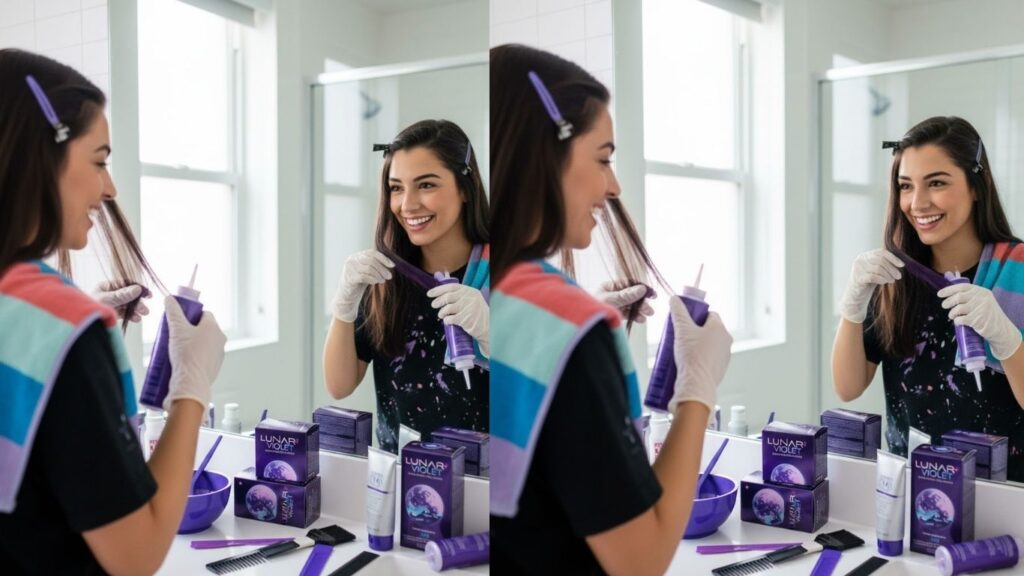
With proper preparation, quality products, and step-by-step guidance, you can achieve salon-like results from the comfort of your home. This complete guide explains everything clearly so you can color your hair safely and confidently.
Must-Have Hair Coloring Products
- L’Oréal Paris Excellence Crème Hair Color
- Garnier Nutrisse Nourishing Hair Color
- Clairol Nice’n Easy Permanent Hair Dye
- Revlon ColorSilk Beautiful Color
- Schwarzkopf Keratin Color Permanent Hair Color
Important Things to Know Before Coloring Hair
Before applying any dye, understanding your hair type and condition is essential. Hair texture, thickness, and previous chemical treatments affect how color develops. If your hair is dry or damaged, deep condition it for a week before coloring.
Always perform a patch test to avoid allergic reactions. Wear gloves, protect clothing, and apply petroleum jelly along your hairline to prevent staining. Work in a well-ventilated space and carefully read product instructions before starting.
How to Color Hair
Hair coloring involves applying a chemical or natural pigment to change your hair shade. The process can be simple or advanced depending on the technique you choose. Below are seven effective methods explained step by step.
1. Full Head Permanent Hair Coloring
This method completely changes your hair color from roots to ends.
Step 1: Prepare Your Workspace
Cover surfaces with old towels or newspaper. Wear old clothing and gloves.
Step 2: Mix the Color
Combine developer and color cream according to instructions. Shake or mix well.
Step 3: Section Your Hair
Divide hair into four equal sections using clips. This ensures even application.
Step 4: Apply from Roots
Start applying dye at the roots since they process slower.
Step 5: Distribute to Ends
Work the color down to the tips. Ensure full saturation.
Step 6: Massage and Check
Massage gently to spread color evenly. Double-check for missed spots.
Step 7: Process and Rinse
Leave for recommended time. Rinse with lukewarm water until clear and apply conditioner.
2. Root Touch-Up Method
Ideal for covering gray roots or regrowth between full coloring sessions.
Step 1: Mix Small Amount
Prepare only what you need for the roots.
Step 2: Section Precisely
Part hair into small sections to expose regrowth.
Step 3: Apply Carefully
Use an applicator brush for accuracy.
Step 4: Blend Slightly
Blend a little into previously colored hair for a natural look.
Step 5: Process and Rinse
Wait for recommended time and rinse thoroughly.
3. Highlights Using Foil Technique
Adds brightness and dimension to your hair.
Step 1: Prepare Foils
Cut foil strips before starting.
Step 2: Section Hair
Take thin strands for highlighting.
Step 3: Place Foil Under Strand
Apply dye from mid-length to ends.
Step 4: Fold Foil Securely
Fold to prevent color bleeding.
Step 5: Repeat Evenly
Continue around the head evenly.
Step 6: Monitor Color
Check periodically to prevent over-lightening.
Step 7: Rinse and Condition
Remove foils and rinse thoroughly.
4. Balayage Hair Coloring
Creates a soft, natural gradient effect.
Step 1: Mix Color
Prepare lightener or dye.
Step 2: Hand-Paint Strands
Use sweeping motions with a brush.
Step 3: Focus on Ends
Keep roots darker for contrast.
Step 4: Blend Upward
Feather strokes upward for smooth transition.
Step 5: Let Process
Watch carefully to achieve desired tone.
Step 6: Rinse and Tone
Rinse and apply toner if needed.
Step 7: Deep Condition
Hydrate hair after coloring.
5. Ombre Hair Coloring
Creates a bold fade from dark roots to light ends.
Step 1: Divide Hair Horizontally
Separate top and bottom halves.
Step 2: Apply Lightener to Ends
Start from tips and move upward.
Step 3: Blend Middle Area
Use vertical strokes for a natural fade.
Step 4: Process Carefully
Check color development.
Step 5: Rinse Thoroughly
Wash out when desired shade is achieved.
Step 6: Tone if Needed
Neutralize brassy tones.
Step 7: Apply Conditioner
Restore moisture.
6. Semi-Permanent or Temporary Coloring
Perfect for experimenting with bold colors.
Step 1: Shampoo First
Apply to clean, towel-dried hair.
Step 2: Wear Gloves
Protect hands from staining.
Step 3: Apply Evenly
Distribute color using fingers or brush.
Step 4: Comb Through
Ensure even coverage.
Step 5: Wait Required Time
Usually 20–40 minutes.
Step 6: Rinse Without Shampoo
Use water only.
Step 7: Style as Desired
Enjoy vibrant color.
7. Natural Hair Coloring Methods
Chemical-free alternatives are gentle on hair.
Henna Application
Step 1: Mix henna powder with warm water into paste.
Step 2: Let mixture rest for a few hours.
Step 3: Apply thoroughly to clean hair.
Step 4: Cover with shower cap.
Step 5: Leave for 2–4 hours.
Step 6: Rinse with water only.
Step 7: Avoid shampoo for 24 hours.
Other natural options include coffee rinses for darker tones and beet juice for reddish tint.
How to Choose the Right Hair Color Shade
Selecting a suitable shade enhances your overall appearance.
Based on Skin Tone
Warm skin tones look great with golden, honey, and auburn shades.
Cool skin tones suit ash, platinum, and burgundy tones.
Neutral tones can try most shades.
Based on Maintenance
Bright colors fade faster and require more touch-ups. Darker shades are easier to maintain.
Preparing Hair Before Coloring
Proper preparation improves results.
Do Not Wash Immediately
Natural scalp oils protect against irritation.
Deep Condition a Week Before
Healthy hair absorbs color better.
Detangle Completely
Knots can cause uneven application.
Hair Care After Coloring
Maintaining color is just as important as applying it.
Use Sulfate-Free Shampoo
Prevents color fading.
Wash with Cool Water
Hot water strips pigment.
Limit Heat Styling
Heat weakens colored hair.
Deep Condition Weekly
Restores moisture and shine.
Protect from Sun
UV rays can fade color quickly.
Common Hair Coloring Mistakes
- Skipping patch test
- Choosing wrong shade
- Leaving dye too long
- Applying unevenly
- Coloring extremely damaged hair
Avoiding these mistakes ensures better and safer results.
Frequently Asked Questions
How long does permanent hair color last?
It lasts until new hair grows, usually 6–8 weeks.
Can I color hair without bleach?
Yes, if going darker or using certain high-lift dyes.
How often is it safe to color hair?
Every 4–6 weeks is generally safe.
Why did my hair turn brassy?
Underlying warm tones become visible after lightening.
Is natural coloring safer?
Natural methods are gentler but may not give dramatic results.
Final Words
Coloring your hair at home can be simple and rewarding when done correctly. With the right method, preparation, and aftercare routine, you can achieve beautiful and long-lasting results without salon visits.
Take your time, follow each step carefully, and always prioritize hair health. A well-planned coloring session not only transforms your look but also boosts your confidence and style effortlessly.