
Crocheting is more than just a hobby—it’s a creative, calming, and rewarding skill that allows you to transform simple yarn into beautiful handmade items. From cozy blankets to stylish tops and cute accessories, crochet opens a world of possibilities for anyone willing to learn.
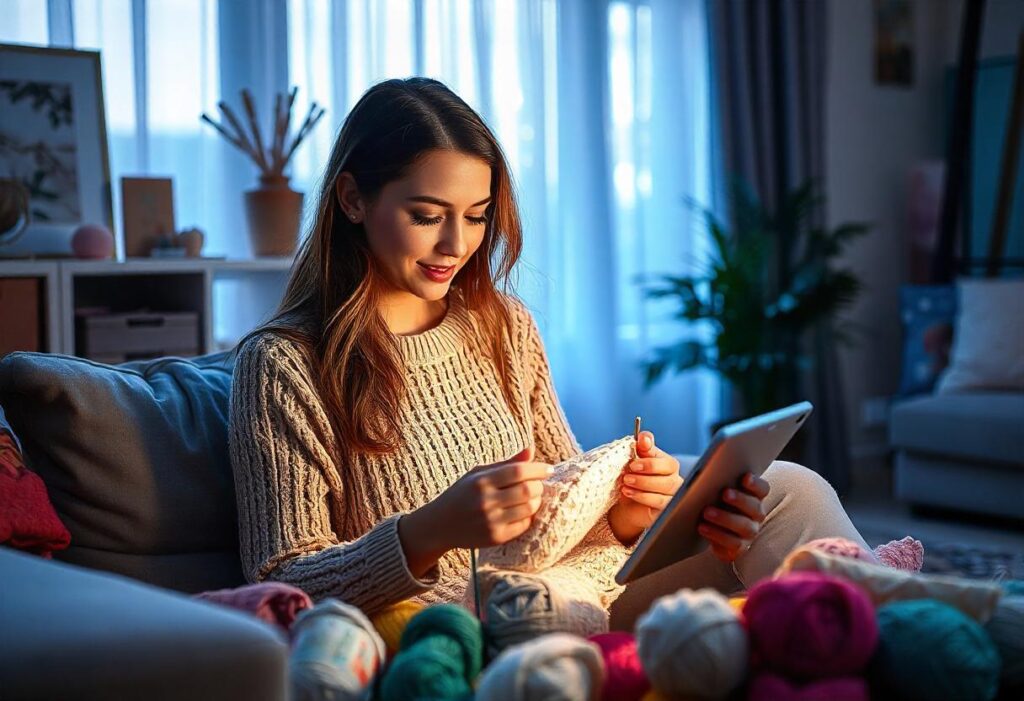
If you’ve ever seen someone crocheting and thought, “I wish I could do that,” this guide is for you. Whether you want to make gifts for loved ones, start a small handmade business, or simply enjoy a peaceful craft, learning how to crochet for beginners is the perfect first step.
This complete, step-by-step crochet guide will walk you through everything—from understanding the basic tools and stitches to creating your first projects. Plus, we’ll share 15 fun and easy crochet projects you can try once you’ve mastered the basics.
Before we dive into the tutorial, let’s go over a few essential items every beginner crocheter should have in their toolkit.
5 Essential Items to Buy Before You Start Crocheting
Crocheting doesn’t require expensive equipment or complex machinery. A few basic tools are enough to start your creative journey. Here are the five must-have items for beginners:
1. Crochet Hooks
Crochet hooks come in various sizes and materials, including aluminum, bamboo, and plastic. Beginners should start with a medium-sized hook (around 5mm or H-8). This size is comfortable to hold and works well with standard yarns.
2. Yarn
Yarn is the heart of crochet. Beginners should choose smooth, medium-weight yarn (also called worsted weight) in a light color. Dark yarns make it hard to see stitches, and textured yarns can be tricky to handle at first.
3. Yarn Needle (Tapestry Needle)
A yarn needle helps you weave in loose ends after you finish your project. It’s a blunt-tipped needle with a large eye that easily fits yarn.
4. Scissors
A small, sharp pair of scissors is essential for cutting yarn cleanly. You don’t need anything fancy, but precise scissors make your work neater.
5. Stitch Markers
Stitch markers help keep track of rows, rounds, or pattern repeats. They’re especially helpful when working on circular or complex projects.
Getting Started: The Basics of Crocheting
Before jumping into the fun part—making projects—you need to understand the foundation of crochet. Don’t worry, once you get used to holding the yarn and hook, your hands will naturally find a rhythm.
Understanding Crochet Hooks and Yarn
Crochet hooks vary in size, from very thin hooks (for lace and thread work) to large ones (for bulky yarn). The size you choose depends on your yarn weight and the pattern’s recommendations.
Yarn comes in different weights and textures, ranging from delicate lace thread to thick, chunky yarn. Always check the yarn label—it tells you the recommended hook size, fiber type, and washing instructions.
For beginners, start with:
- Hook size: 5mm or 6mm
- Yarn weight: Worsted (Medium/Category 4)
- Fiber type: Acrylic or cotton yarn (smooth texture)
How to Hold a Crochet Hook and Yarn
There’s no single “correct” way to hold a crochet hook. The goal is comfort and control.
Two Common Ways to Hold a Hook:
- Pencil Grip: Hold the hook like you’re holding a pencil.
- Knife Grip: Hold the hook like a table knife, with your thumb on top.
Experiment and choose what feels best for you.
When holding the yarn, loop it around your fingers to maintain even tension. Beginners often struggle with too-tight or too-loose stitches, so keep practicing until your tension feels balanced.
Learning Crochet Abbreviations
Patterns use abbreviations to keep instructions concise. Here are a few common ones:
- ch = chain
- sl st = slip stitch
- sc = single crochet
- hdc = half double crochet
- dc = double crochet
- tr = treble crochet
- st = stitch
- rep = repeat
- inc = increase
- dec = decrease
Learning these terms will make reading patterns much easier later on.
Step-by-Step Crochet Guide for Beginners
Now that you know the tools and terms, let’s move into the fun part—learning the basic stitches and steps you’ll use in every crochet project.
Step 1: Make a Slip Knot
Every crochet project starts with a slip knot.
- Make a loop with your yarn, with the working end (the end attached to the ball) on top.
- Insert your hook through the loop.
- Grab the working yarn and pull it through.
- Tighten the loop around your hook.
That’s your first step completed—easy, right?
Step 2: Create a Foundation Chain
The foundation chain is like the base of a crochet project.
- Yarn over (wrap the yarn around the hook).
- Pull the yarn through the loop on your hook.
- Repeat this motion until you reach the desired number of chains.
Tip: Keep your chains loose—tight chains are hard to work into later.
Step 3: Single Crochet (sc)
The single crochet stitch is one of the simplest and most common stitches.
- Insert the hook into the second chain from the hook.
- Yarn over and pull up a loop (you now have two loops on your hook).
- Yarn over again and pull through both loops.
That’s one single crochet. Continue across the row for practice.
Step 4: Half Double Crochet (hdc)
This stitch is slightly taller than a single crochet and creates a nice texture.
- Yarn over, insert your hook into the stitch.
- Yarn over again and pull up a loop (three loops on hook).
- Yarn over and pull through all three loops.
Half double crochet is great for scarves and blankets.
Step 5: Double Crochet (dc)
This is a taller stitch, creating a looser fabric.
- Yarn over, insert hook into the stitch.
- Yarn over and pull up a loop (three loops on hook).
- Yarn over, pull through two loops.
- Yarn over again, pull through remaining two loops.
You’ve just completed a double crochet!
Step 6: Slip Stitch (sl st)
Slip stitches are used for joining rounds or finishing edges.
- Insert hook into stitch.
- Yarn over and pull through both the stitch and the loop on your hook in one motion.
Step 7: Turning Your Work
When you reach the end of a row, you’ll need to “turn” your work to begin a new row.
- Chain 1 for single crochet or chain 2–3 for taller stitches like double crochet.
- Turn your piece so the other side faces you.
- Continue stitching into the next row.
Step 8: Finishing and Weaving in Ends
Once your project is complete, cut the yarn, leaving about 6 inches of tail. Pull the tail through your final loop to secure it. Then use your yarn needle to weave the tail into nearby stitches to hide it neatly.
How to Read a Crochet Pattern
Crochet patterns might look intimidating at first, but once you understand abbreviations and structure, they’re straightforward.
Patterns are usually written row by row. For example:
Row 1: ch 21, sc in 2nd ch from hook, sc across (20 sts)
Row 2: ch 1, turn, sc in each st across (20 sts)
This means you chain 21, then work 20 single crochet stitches in the first row. On Row 2, you make one chain to turn and continue single crochets.
Always read any special notes at the top of the pattern—they often explain important techniques or stitch counts.
Tips for Success as a Beginner Crocheter
- Start with small projects—instant gratification keeps you motivated.
- Practice consistency—focus on keeping your tension even.
- Count stitches often—it prevents mistakes.
- Don’t worry about perfection—crochet should be relaxing, not stressful.
- Keep experimenting—try new stitches and textures as you progress.
15 Easy Crochet Projects for Beginners
Now that you know the fundamentals, it’s time to put your new skills into practice! Here are 15 fun and easy crochet projects perfect for beginners. Each one uses basic stitches and simple techniques.
1. Crochet Dishcloth
A dishcloth is one of the best beginner projects. It’s small, flat, and helps you practice tension. Use cotton yarn for absorbency.
2. Crochet Scarf
Once you’ve mastered double crochet, a scarf is a rewarding project. You can make it as long or short as you like, using any color pattern.
3. Crochet Coasters
Crochet coasters are quick to make and make great gifts. Use single crochet or half double crochet for a sturdy finish.
4. Crochet Headband
A headband helps you practice shaping and joining ends. Add a button or bow for decoration.
5. Crochet Granny Squares
Granny squares are the building blocks for many projects. They teach you how to work in rounds and change colors.
6. Crochet Blanket
Combine multiple granny squares or use simple rows of double crochet for a cozy blanket. It’s time-consuming but worth the effort.
7. Crochet Beanie
Beanies help you practice working in rounds and decreasing stitches. Start from the crown and work your way down.
8. Crochet Mug Cozy
Protect your hands from hot drinks with a small mug cozy. This quick project uses basic stitches and a button closure.
9. Crochet Basket
Learn how to make 3D shapes by crocheting a small basket. Perfect for holding yarn, keys, or trinkets.
10. Crochet Pillow Cover
Make a cozy, textured pillow cover using single crochet stitches. It’s a fun way to decorate your home.
11. Crochet Bookmark
A cute bookmark project lets you experiment with different stitch patterns. Perfect for using leftover yarn.
12. Crochet Tote Bag
Use sturdy yarn to make a reusable market bag. It’s a step up in size but still beginner-friendly.
13. Crochet Baby Booties
Adorable and quick to make! Baby booties use simple increases and decreases, helping you practice shaping.
14. Crochet Plant Hanger
A plant hanger is trendy and practical. You’ll practice chains and slip stitches to create this simple project.
15. Crochet Amigurumi Ball
Amigurumi (crochet stuffed toys) may look complex, but starting with a simple ball shape introduces you to 3D crochet and working in the round.
Troubleshooting Common Crochet Problems
Your stitches are too tight
Relax your grip and practice even tension. Use a larger hook if needed.
Your edges are uneven
Count your stitches each row to ensure you haven’t added or skipped any.
You dropped a stitch
If you notice a hole or mistake, undo a few stitches and rework the area—crochet is very forgiving!
Your work curls or waves
Check your stitch count. Too many or too few stitches per row can cause this issue.
How to Choose Yarn Colors and Patterns
Choosing colors is one of the most enjoyable parts of crocheting. Beginners should start with lighter shades because they make stitches easier to see.
If you’re making a gift, think about the recipient’s favorite colors. For home décor items, choose shades that complement your space.
You can also play with color gradients, stripes, or variegated yarns once you gain confidence.
Caring for Your Crochet Projects
To keep your creations looking new:
- Hand wash with mild detergent or follow the yarn label’s care instructions.
- Avoid wringing; gently squeeze out excess water.
- Lay flat to dry.
- Store in a cool, dry place.
Frequently Asked Questions (FAQ)
How long does it take to learn how to crochet?
Most beginners can make simple projects within a few days of consistent practice. Mastery comes with time, but you’ll see progress quickly.
What’s the easiest crochet stitch for beginners?
The single crochet stitch is the simplest and best for learning control and tension.
Can I use knitting yarn for crochet?
Yes! Most yarns work for both knitting and crochet. Just make sure the hook size matches your yarn weight.
Do I need to learn to read patterns to crochet?
Eventually, yes, but you can start with video or visual guides. As you gain experience, reading patterns becomes easier.
Why are my stitches uneven?
Uneven stitches usually come from inconsistent tension. Relax your hands and practice slower until you find a rhythm.
What’s the difference between crocheting and knitting?
Crochet uses one hook to create loops, while knitting uses two needles. Crochet tends to be faster and more flexible for shaping.
Can children learn to crochet?
Absolutely! With child-safe tools and a bit of patience, crochet is a wonderful creative activity for kids.
Final Words
Crocheting is a journey of creativity, patience, and self-expression. Once you understand the basic stitches and techniques, the possibilities are endless. From your first simple dishcloth to intricate blankets and garments, every piece you make will carry your unique touch.
This guide on how to crochet for beginners has shown you every essential step—from tools and stitches to easy starter projects. The most important tip? Keep practicing. Your hands will grow more confident with every loop and stitch.
Remember, crochet is not just about creating—it’s about relaxing, experimenting, and enjoying the process. So pick up your hook, grab some yarn, and start your very first crochet project today. Before you know it, you’ll be hooked for life!