
Cutting leather is a task that demands precision, control, and the right cutting tool. Unlike paper or fabric, leather resists dull blades and poorly designed scissors. Whether you’re crafting wallets, belts, saddles, or working on upholstery, using the correct leather scissors will make the job faster, cleaner, and more professional.
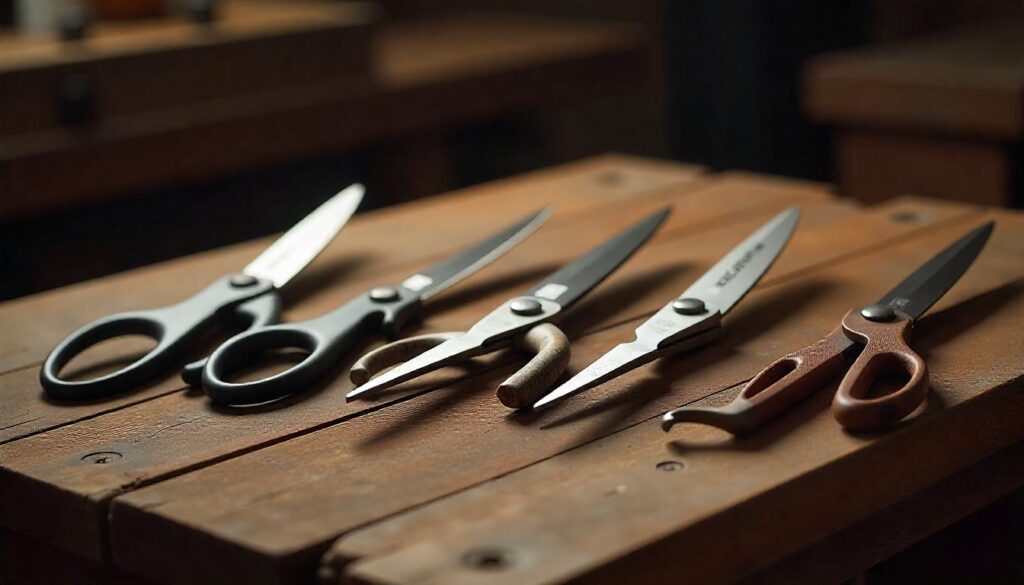
In this guide, we’ve reviewed five of the best scissors for cutting leather. These options range from traditional hand shears to advanced electric cutters—ideal for beginners, hobbyists, and professional leatherworkers alike.
Top 5 Best Leather Scissors Reviews
- C.S. Osborne 8-1/4″ E-Z Cut Leather Shears Scissors
- walowalo Electric Scissors for Cutting Leather
- Gingher 8 in Dressmaker Shears, Right Hand
- Tandy Leather Craftool Sure Grip Leather Shears
- IX, Professional Tailor Shears, 9-Inch
1. C.S. Osborne 8-1/4″ E-Z Cut Leather Shears Scissors
Overview
The C.S. Osborne E-Z Cut Leather Shears are a go-to choice for serious leatherworkers. Known for their rugged build and ergonomic grip, these scissors are engineered to slice through thick leather with ease.
Features
- Blade Material: Forged steel
- Length: 8 1/4 inches
- Design: Offset handles for flat cutting
- Applications: Vegetable-tanned leather, suede, tooling leather, garment leather
Performance
C.S. Osborne’s shears are crafted for serious cutting jobs. Whether you’re working on 10 oz saddle leather or 3 oz chrome-tanned hides, these scissors glide through the material without snagging or tearing. The offset design allows the user to cut on a flat surface while maintaining complete control, making them ideal for precision edge work.
Pros
- Powerful, forged blades maintain sharpness
- Designed specifically for leather
- Great control on heavy hides
- Comfortable offset handle reduces fatigue
Cons
- Slightly heavy for extended use
- Not suitable for fine, detailed trimming
Best For
- Professional leather crafters
- Cutting thick, tooling-grade leather
- Heavy-duty upholstery work
2. walowalo Electric Scissors for Cutting Leather
Overview
For users looking to save time and reduce hand fatigue, walowalo’s Electric Scissors offer a modern solution to leather cutting. Lightweight and cordless, these electric shears can handle various materials, including leather, denim, and canvas.
Features
- Power Source: Rechargeable lithium battery
- Cutting Mechanism: Dual-blade electric rotation
- Use Time: Up to 2 hours per charge
- Blade Replacement: Snap-in, quick-release system
Performance
Electric shears are a game-changer for large-scale leather projects. The walowalo model smoothly powers through thick leather with minimal effort. It’s especially effective when cutting curves or long strips. The dual-blade system ensures clean edges, and the ergonomic handle makes it ideal for users with arthritis or wrist fatigue.
Pros
- Minimal hand strain
- High-speed cutting for efficiency
- Works on multiple material types
- Rechargeable and cordless
Cons
- Not ideal for intricate cuts or tight angles
- Requires charging between sessions
Best For
- Large leather cutting projects
- Users with mobility or strength issues
- Speed-oriented craft production
3. Gingher 8 in Dressmaker Shears, Right Hand
Overview
While traditionally used in sewing, Gingher’s 8-inch Dressmaker Shears perform exceptionally well on medium and thin leathers. Their strong, stainless steel blades and classic design make them a favorite among professionals.
Features
- Blade Material: Double-plated chrome over nickel
- Handle Design: Bent, ergonomic grip
- Length: 8 inches
- Application: Light to medium-weight leather and fabric
Performance
Gingher Dressmaker Shears are known for their ultra-smooth cutting action. On garment leathers and suede, these scissors offer pinpoint accuracy and refined control. The bent handle design allows for easy, clean cuts on a flat work surface. While they may struggle with thick tooling leather, they excel in precision-oriented leatherworking.
Pros
- Precision tips for fine cuts
- Sleek, professional appearance
- Great for garment-grade leathers
- Balanced and easy to maneuver
Cons
- Not suitable for thick or stiff hides
- Designed for right-handed users only
Best For
- Leather apparel crafting
- Fine detail trimming on lighter hides
- Hobbyists and small studios
4. Tandy Leather Craftool Sure Grip Leather Shears
Overview
Tandy Leather is a household name in the leatherworking community, and their Craftool Sure Grip Shears are designed specifically for crafters who need reliable, sharp scissors with a high comfort level.
Features
- Blade Construction: Stainless steel with micro-serrated edge
- Grip Type: Rubberized, non-slip handles
- Length: 8 inches
- Special Feature: Micro-serration to prevent leather slippage
Performance
These shears perform admirably on a wide range of leathers, especially softer and medium-weight hides. The micro-serrated blades grip the leather, preventing it from shifting during cutting. This ensures more accurate results, particularly for patterns and curved shapes. The Sure Grip handles make them one of the most comfortable pairs on this list.
Pros
- Micro-serrated blades prevent slipping
- Comfortable and secure grip
- Lightweight but sturdy
- Built specifically for leather
Cons
- Not ideal for very thick hides
- Micro-serration can slightly fray very soft leather edges
Best For
- Beginners and intermediate leather crafters
- Pattern cutting and detail work
- Multi-hour crafting sessions
5. IX Professional Tailor Shears, 9-Inch
Overview
The IX Professional Tailor Shears are built for tailors but are robust enough to cut leather with ease. With hardened blades and a long 9-inch design, they offer both reach and power in a surprisingly affordable package.
Features
- Blade Length: 9 inches
- Blade Material: High carbon steel
- Handle: Solid grip with finger cushioning
- Cutting Capacity: Heavy fabrics, denim, light to mid-weight leather
Performance
These shears are tough and dependable, with a blade hardness rating suitable for leather cutting. They are particularly useful for cutting strips, trimming patterns, and making long, continuous cuts. The 9-inch length helps with efficiency, while the carbon steel blades hold their edge longer than basic stainless steel.
Pros
- Long blades increase speed and precision
- Affordable price with premium performance
- Sturdy carbon steel retains sharpness
- Good choice for both fabric and leather
Cons
- Handle comfort is average
- May not glide as smoothly as premium brands
Best For
- Budget-conscious buyers
- Multi-purpose crafting
- Cutting strips, belts, and panels
Buying Guide: How to Choose the Best Scissors for Cutting Leather
Blade Material
- High Carbon Steel: Excellent for edge retention, ideal for cutting thick leather.
- Stainless Steel: More resistant to rust but slightly softer.
- Nickel-Plated Blades: Offer rust protection and a classic finish.
- Micro-Serrated Blades: Provide grip on slick leather surfaces.
Blade Design
- Straight Blades: Offer clean, long cuts. Best for straight panels and strips.
- Curved/Angled Blades: Ideal for detailed work and ergonomic control.
- Offset Handles: Help keep cuts flat and controlled when working on a tabletop.
Handle Comfort
Leather cutting often requires prolonged effort. Look for:
- Ergonomic Grips: Reduces strain and enhances control
- Rubber Padding: Adds comfort and grip
- Ambidextrous Design: Useful for shared tools or left-handed users
Manual vs. Electric
- Manual Scissors: Provide better control for detailed work.
- Electric Shears: Increase speed and reduce fatigue for large projects.
Length
- 8-inch: Standard and balanced for most users.
- 9-inch and above: Offers more power and reach for industrial use.
Frequently Asked Questions (FAQs)
What’s the best type of scissors for cutting thick leather?
Forged high carbon steel scissors are best for thick hides. The C.S. Osborne E-Z Cut and IX Professional Shears are ideal options for these tasks.
Can I use regular fabric scissors on leather?
It’s not recommended. Leather will dull regular scissors quickly, and they often lack the grip and strength to cut through properly.
Are electric scissors worth it for leatherworking?
Yes, especially for repetitive tasks or large projects. Electric shears like the walowalo model can significantly reduce cutting time and physical strain.
How often should I sharpen leather scissors?
For regular use, sharpening every few months is ideal. High-quality shears may retain sharpness longer but still benefit from maintenance.
What is the benefit of micro-serrated blades?
They grip the leather as you cut, preventing slippage and ensuring clean lines. They are especially useful for soft or slippery hides.
Final Thoughts
Whether you’re a professional leatherworker or an enthusiastic hobbyist, choosing the right pair of scissors can dramatically impact your results. Here’s a quick recap:
- C.S. Osborne E-Z Cut: Best for serious crafters and thick leather.
- walowalo Electric Scissors: Excellent for speed and ease, especially for large-scale work.
- Gingher Dressmaker Shears: Perfect for light leathers and detailed cuts.
- Tandy Leather Craftool Sure Grip: Great balance between comfort, precision, and affordability.
- IX Professional Tailor Shears: Budget-friendly workhorse for various materials.
No matter your project size or leather type, investing in the right cutting tool will enhance your efficiency and craftsmanship.